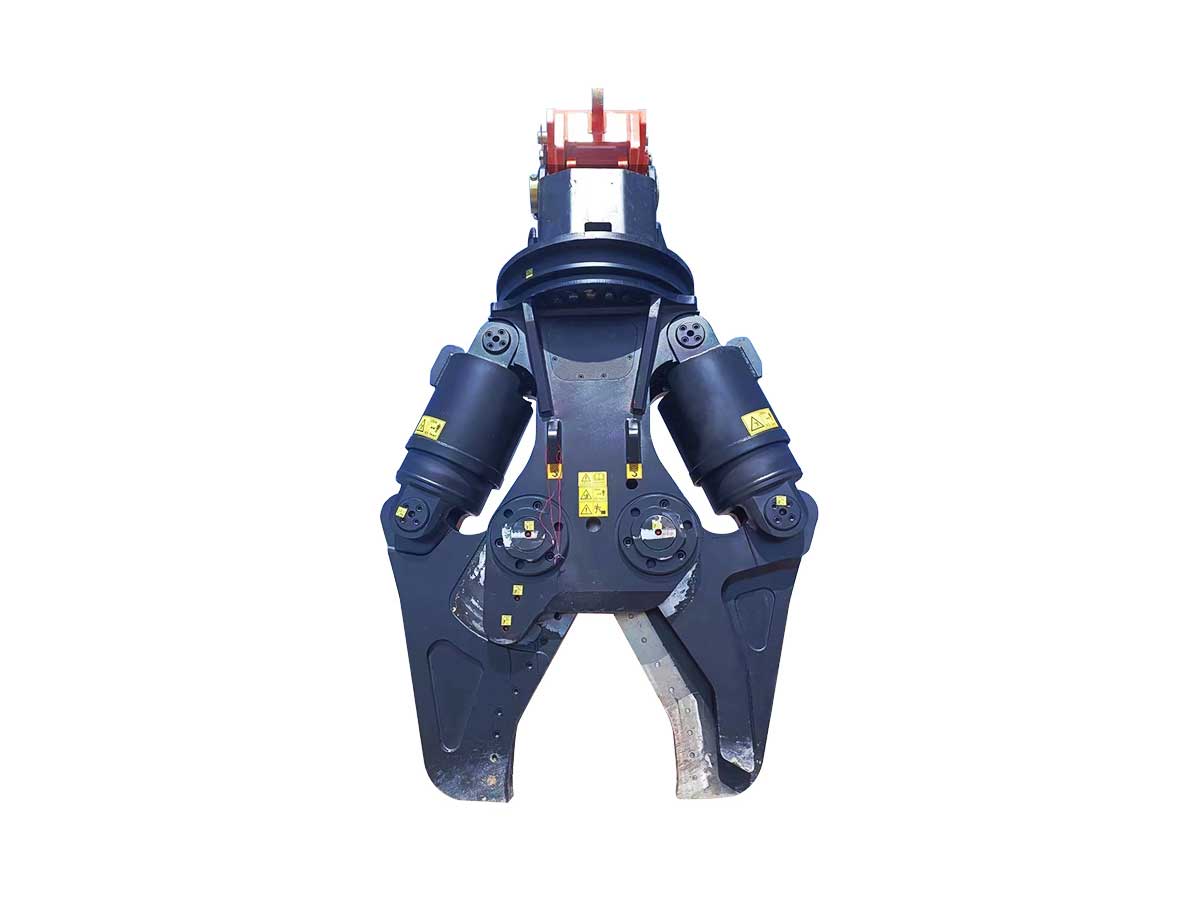

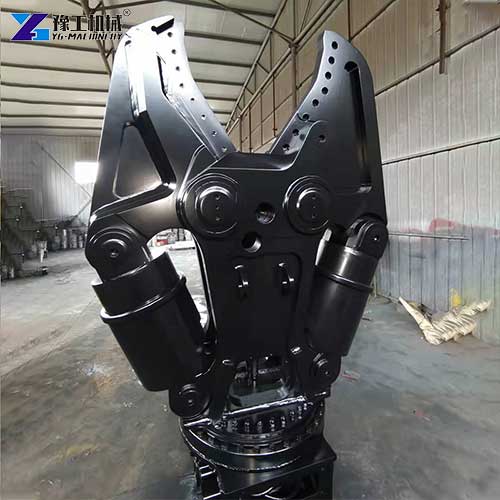
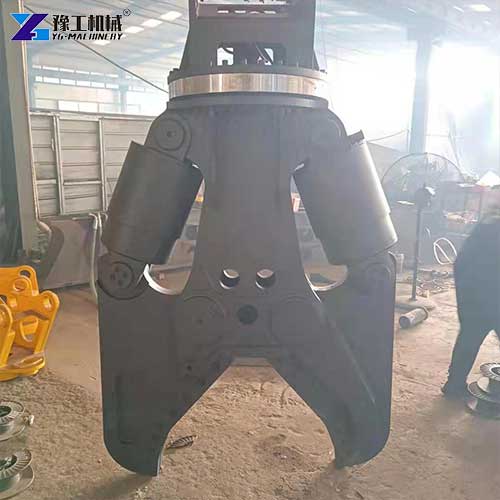
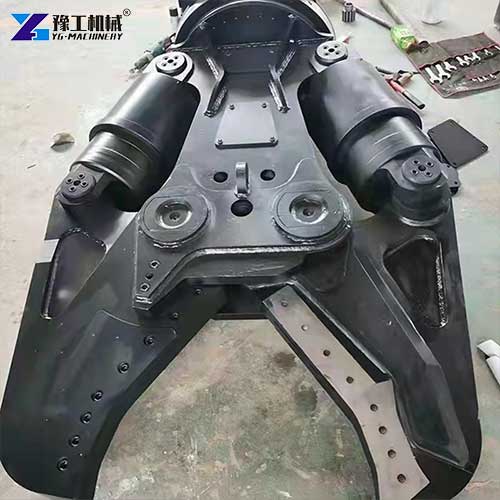
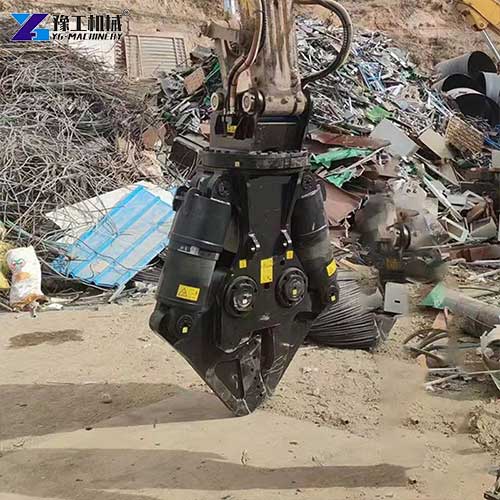
Excavator metal shear is a dual-cylinder hydraulic cutting fixture mounted on excavators for heavy-duty metal cutting tasks. It relies on two groups of synchronously driven hydraulic cylinders to generate amplified shearing power and clamping force, and it can cut waste metal, steel rebar, I-beams, discarded vehicle bodies and light steel structures efficiently. It features strong cutting capacity, stable running performance, large opening range and high working efficiency, and it gets wide application in scrap steel recycling and building demolition sectors.
This hydraulic shear attachment for excavator can keep steady output even when handling irregular thick metal workpieces on complex job sites. Furthermore, an excavator hydraulic shear supports 360-degree rotation in most models, so operators can adjust angles flexibly to reach hard-to-access cutting positions without repositioning the whole excavator.
YG Excavator Metal Shear Parameter
| Product | Excavator-mounted hydraulic demolition shear for waste scrap rebar | ||||
| Item | YG-620 | YG-1413 | YG-2200 | YG-2977 | YG-4052 |
| Weight kg | 620 | 1413 | 2200 | 2977 | 4052 |
| Max. Open Size mm | 334.4 | 540 | 500 | 660 | 801 |
| Width mm | 864 | 1175 | 1370 | 1600 | 1700 |
| Height mm | 1521 | 2050 | 2380 | 2600 | 2700 |
| Effective Shear Depth mm | 286 | 348 | 486 | 578 | 736 |
| Rotating Way | 360 collision | 360 hydraulic | |||
| Working Pressure Bar | 235 | 300 | 320 | 320 | 320 |
| Bottom Shear Force T | 81.2 | 138.2 | 171.2 | 330.2 | 387.2 |
| Medium Shear Force T | 50.2 | 80.2 | 100.2 | 189.2 | 218.2 |
| Tip Shear Force T | 32.2 | 53.2 | 75.2 | 127.2 | 147.2 |
| Applied Excavator Weight T | 5-9 | 10-19 | 20-25 | 28-35 | 38-50 |
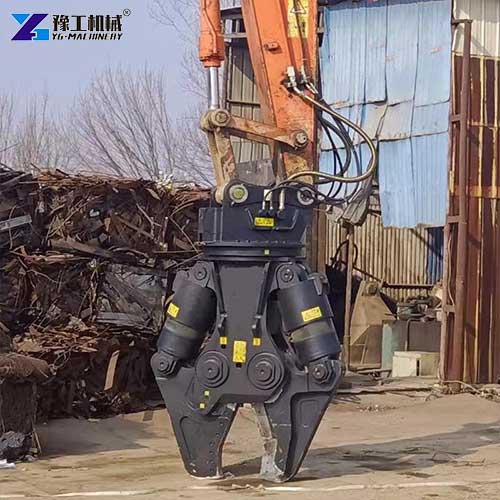
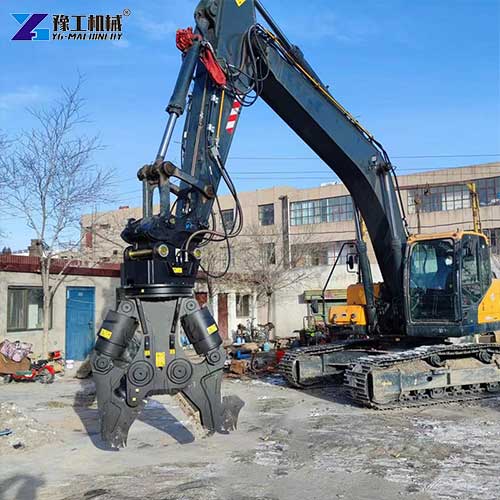
Real Application Case: Supply To Azerbaijan
Customer Background :
A private industrial enterprise based in Azerbaijan, operating local scrap steel recycling and small-scale structural demolition businesses.
Customer Requirements :
The company’s old single-cylinder cutting tool had insufficient clamping force, which led to frequent slipping when cutting thick I-beams and abandoned car shells. It owned a 22-ton excavator, and it needed new equipment that could match this tonnage, handle diversified metal materials, and raise daily processing output without frequent on-site breakdowns.
YG Matching Solutions:
We recommended the YG-2200 excavator metal shear to fit their 20-25 ton excavator perfectly. Its 500mm max open size and 486mm effective shear depth can easily accommodate full-size vehicle frames and standard structural steel profiles, while the three-tier shear force from 100.2T to 171.2T can switch flexibly for thin rebars and thick solid steel pieces. This excavator demolition shear adopts 360-degree hydraulic rotation, which improves manoeuvrability in their crowded recycling yard and narrow demolition zones.
Customer Feedback:
After four weeks of continuous daily operation, the customer shared that their daily scrap processing volume grew by 52%, and rework caused by incomplete cutting dropped to nearly zero. The dual-cylinder synchronous structure keeps the machine stable during peak-hour operation, and the adjustable shear force lets their team take on more types of waste metal orders than before.
Scenario-Specific Operation Techniques For Maximum Efficiency
Even the highest quality attachment will underperform if used incorrectly. Mastering these scenario-specific techniques can boost your daily output by an additional 20-30% without any additional investment.
Scrap Recycling Yard Best Practices
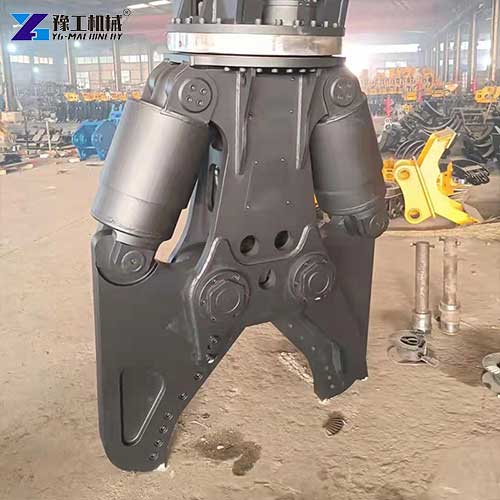
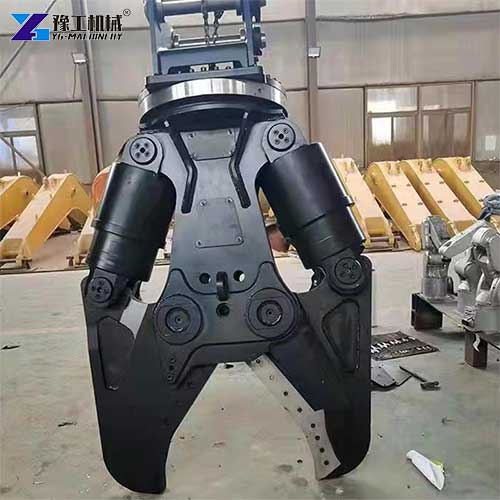
In scrap yards, efficiency comes from batch processing and minimising machine movement. Always sort materials by size and thickness before cutting, and process similar materials together. For large piles of scrap, position the excavator so that you can reach the entire pile without moving the machine. Start with the largest pieces first, as they take up the most space and are easiest to grab. Use the middle section of the jaw for most cutting tasks, as it delivers the highest shear force and provides the most stable grip. Avoid using the tip of the jaw for heavy cutting, as this can cause excessive wear and reduce blade life.
Building Demolition Site Guidelines
On demolition sites, safety and precision are equally important as speed. Always start by cutting secondary structural elements like railings, stairs and partitions before tackling main load-bearing beams. Cut beams in sections of manageable size to make cleanup and transportation easier. For vertical beams, make a partial cut at the bottom first, then cut from the top to control the direction of fall. Use the 360-degree rotation feature to cut beams from multiple angles without repositioning the excavator, which saves significant time on large demolition projects.
Common Operational Mistakes That Shorten Attachment Lifespan
Many operators unknowingly damage their equipment through improper use, leading to costly repairs and unnecessary downtime. Avoid these three most common mistakes to get the longest possible service life from your attachment:
1. Overloading The Cutting Jaw
Every excavator demolition shear has a rated maximum cutting capacity for different material thicknesses. Exceeding this capacity not only risks damaging the hydraulic cylinders and blade edges but also poses a serious safety hazard to the operator and nearby workers. If a piece of steel is too thick to cut in one pass, do not force the jaw closed. Instead, cut it in sections or use a larger attachment that is rated for the job.
2. Using The Attachment As A Pry Bar
This is the single most common cause of structural damage to cutting attachments. Never use the jaw to pry or twist stuck materials, as this puts extreme lateral stress on the pins, cylinders and jaw frame. If a piece of metal is stuck, release the jaw and reposition the attachment to get a better grip.
3. Neglecting Regular Blade Inspection
Blades are the consumable part of any cutting attachment, and dull or damaged blades will significantly reduce cutting efficiency and increase stress on the rest of the machine. Inspect the blades daily for signs of wear, chipping or cracking. Rotate the blades regularly to ensure even wear, and replace them immediately when they become too dull to cut effectively.
Practical Maintenance Tips To Extend Excavator Metal Shear Lifespan
Proper routine maintenance can greatly cut long-term replacement costs, and these targeted tips are tailored to the structural traits of hydraulic cutting equipment. You can prolong the service life of your hydraulic shear attachment for excavator with two core weekly checks: inspect the tightness of cylinder sealing parts to avoid oil leakage, and add lubricant to rotating pin shafts to reduce friction loss.
Meanwhile, you should control the working pressure within the rated scope listed on the product spec sheet, and clear steel slag accumulated at the cutting mouth after each shift to protect the hardness of blade edges. Regular parameter calibration every two months can keep your excavator hydraulic shear at optimal cutting performance through years of heavy use.
All specifications of our excavator metal shear pass round-by-round factory testing to cover excavator tonnage from 5 tons to 50 tons, with clear graded shear force designs for different industrial needs. We deliver targeted matching suggestions no matter whether you mainly run scrap recycling or building demolition projects. Share your excavator model and regular cutting materials with us, and we will send you full parameter sheets and feasible customised plans in a short time to boost your on-site working efficiency.