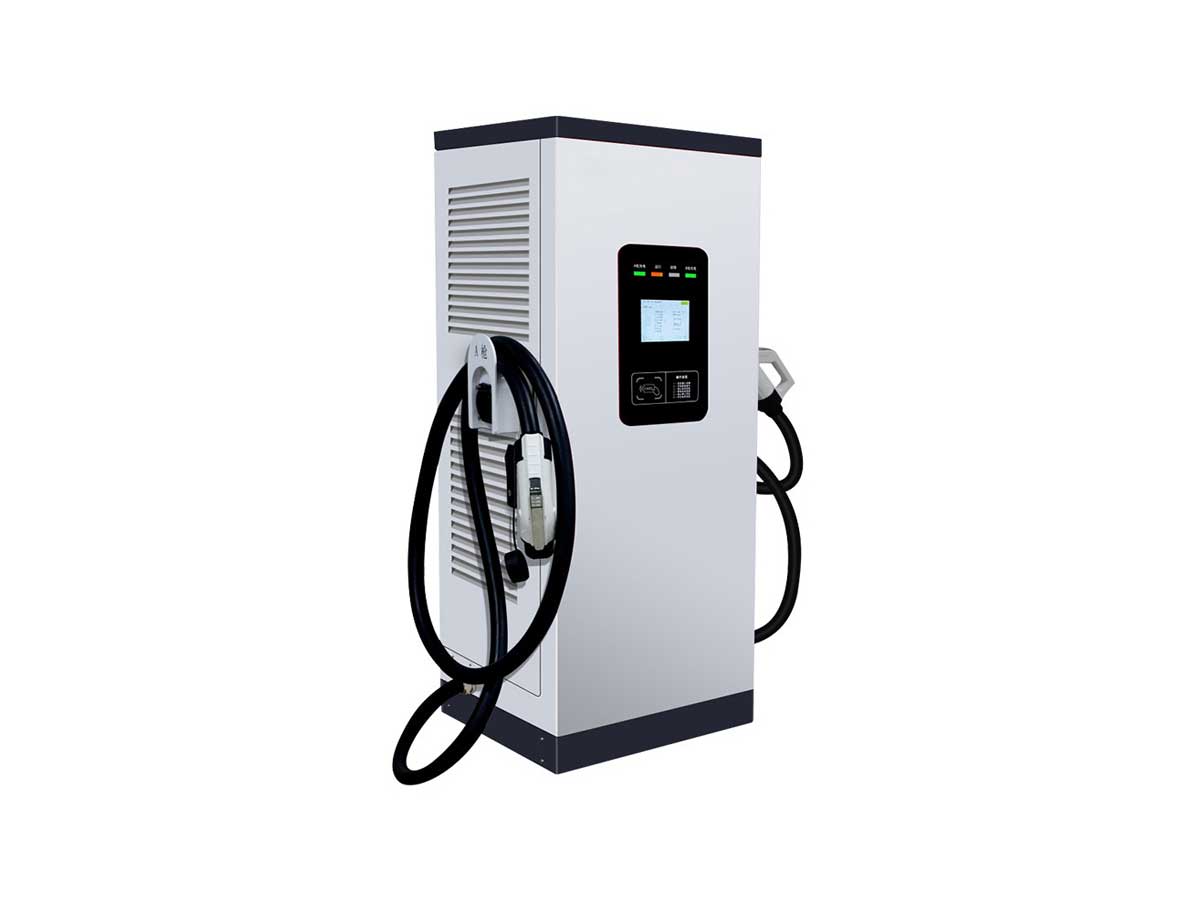

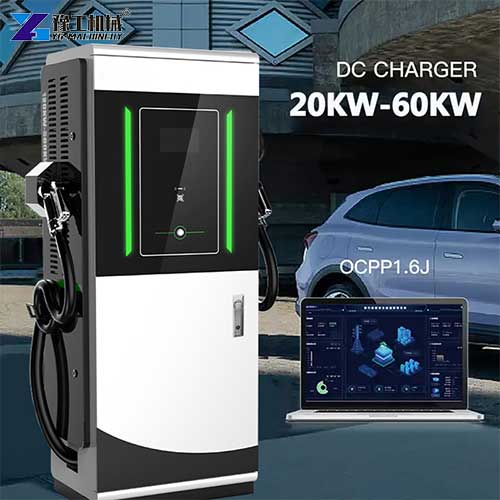

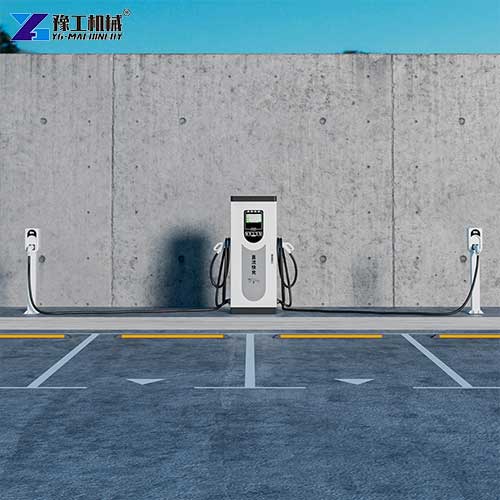
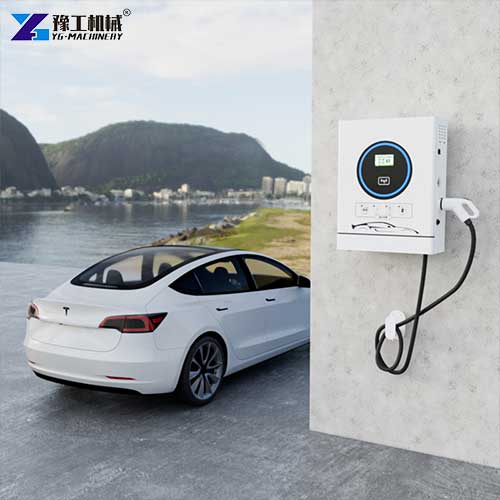
As electric vehicles become more popular around the world, the demand for reliable and efficient charging facilities grows fast. An electric car charging pile is the core infrastructure to meet this growing charging demand for both private and commercial use. Also known as an EV charging pile, it converts grid AC power into DC power to charge electric vehicle batteries. We provide a full range of charging solutions, from small home-use chargers to 60kW, 80kW, 120kW fast charging piles, and even large-scale commercial car charging stations. You can choose the most suitable model according to your usage scenarios and charging speed requirements.
Electric Car Charging Pile Technical Parameters
| Parameter | YG-60KW | YG-80KW | YG-120KW |
| Rated Power | 60KW | 80KW | 120KW |
| Input Voltage | AC380V±20% | AC380V±20% | AC380V±20% |
| Output Voltage | 200-750VDC | 200-750VDC | 200-750VDC |
| Single Gun Current (500V range) | 0-90A | 0-120A | 0-160A |
| Single Gun Current (750V range) | 0-60A | 0-80A | 0-107A |
| Cable Length | 5m | 5m | 5m |
| Efficiency | ≥94.5% | ≥94.5% | ≥94.5% |
| Protection Level | IP54 | IP54 | IP54 |

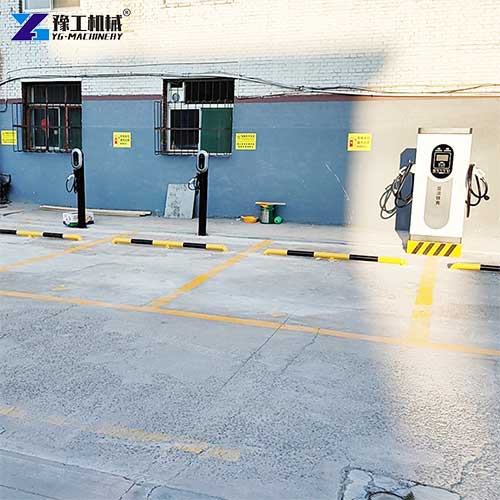
Application Scenarios of Electric Car Charging Pile
Our charging solutions fit a wide range of commercial and private scenarios:
- Gas stations & highway rest areas: Fast charging piles meet the needs of long-distance drivers who need quick top-ups
- Shopping malls & commercial parking lots: Attract more customers and increase parking revenue
- Apartment buildings & office parks: Improve tenant satisfaction and property value
- Enterprise & factory parking lots: Provide charging benefits for employees and company vehicles
- Large public charging stations: Complete turnkey solutions for large-scale charging operations
5 Ways EV Charging Piles Bring Extra Revenue To Your Business
1. Direct charging service revenue: This is the most straightforward income source. You can set charging fees per kWh or per minute, and get stable revenue from every charging session. For high-traffic locations like highway rest areas and downtown parking lots, the charging revenue alone can recoup your investment in a short time.
2. Increase foot traffic and in-store sales: For convenience stores, cafes, restaurants and shopping malls, charging piles can attract more EV drivers to stop by. Most drivers spend 20-40 minutes waiting for their cars to charge, and they usually shop or dine at your store during that time. Many businesses report a 20-30% increase in in-store sales after installing charging facilities.
3. Raise property value and rental income: For apartment buildings and office parks, having charging facilities can significantly increase the property’s market value. You can charge a small premium for parking spaces with charging access, or use charging facilities as a selling point to attract higher-quality tenants. Many renters are willing to pay 10-15% more for properties with EV charging access.
4. Meet local regulatory requirements and avoid retrofitting costs: More and more cities are introducing regulations that require new commercial and residential buildings to have a certain percentage of parking spaces equipped with charging facilities. Installing charging piles during the initial construction phase is much cheaper than retrofitting later. It also helps you avoid fines for non-compliance with local environmental regulations.
5. Qualify for government subsidies and tax incentives: Most countries and regions offer government subsidies, tax credits or rebates for commercial EV charging installations. In many areas, the subsidy can cover 30-50% of the total equipment and installation cost. This greatly reduces your initial investment and shortens the payback period.

6 Mistakes First-Time Electric Car Charging Pile Buyers Always Make
Mistake 1: Only look at the upfront price, ignore the long-term operating costs
Many buyers choose the cheapest equipment to save initial cost, but low-efficiency chargers will waste a lot of electricity during long-term operation. A 4-5% difference in conversion efficiency can lead to thousands of dollars in extra electricity costs every year, which far exceeds the money you saved on the initial purchase.
Correct approach: Choose the electric car charging pile with conversion efficiency above 94%, which can save a lot of electricity costs during long-term operation.
Mistake 2: Ignore the outdoor protection level
Charging piles work outdoors all year round, facing rain, snow, dust and extreme temperatures. If the protection level is too low, the equipment will fail frequently, and the maintenance cost will be very high. Frequent failures will also lead to customer loss and negative reviews.
Correct approach: Choose commercial car charging stations with an IP54 protection level or above, which can effectively prevent rain splash and dust intrusion, and work stably in various harsh outdoor environments.
Mistake 3: Buy fixed-configuration equipment that cannot be expanded later
Many buyers buy a small number of charging piles at the beginning, but find that they cannot meet the growing demand after 1-2 years. If you choose a supplier that only provides fixed single models, you may need to replace all equipment when expanding, which brings huge additional costs.
Correct approach: Choose a supplier that provides a full range of charging solutions. You can start with a small number of piles, and gradually expand the scale as demand grows, without replacing existing equipment.
Mistake 4: Ignore voltage compatibility with different EV models
Different electric vehicle models have different battery voltage ranges. If the charger’s output voltage range is too narrow, it will not be able to charge some models, which limits your customer base.
Correct approach: Choose electric car charging piles with a wide output voltage range (200-750VDC), which can adapt to almost all EV models on the market, including both old and new models.
Mistake 5: Neglect safety protection functions
EV charging pile involves high-voltage electricity, and safety issues can lead to serious liability. Low-quality chargers without complete protection functions may cause overvoltage, overcurrent, electric leakage and other safety accidents, which will bring huge legal risks to property owners.
Correct approach: Choose chargers with complete safety protection functions, including overvoltage protection, overcurrent protection, short circuit protection and leakage protection.
Mistake 6: Choose suppliers without after-sales support
Many small suppliers offer very low prices, but they cannot provide timely after-sales service and spare parts supply. If the commercial car charging stations break down, you may have to wait weeks for repair, which leads to lost revenue and customer complaints.
Correct approach: Choose a supplier with complete after-sales support and spare parts supply, which can ensure timely maintenance when equipment fails and minimize downtime losses.

Electric Vehicle Charging Machine Price
If you are planning to add EV charging facilities to your property, contact us today. You just need to tell us your site type, expected traffic and required charging speed, and we will recommend the most suitable solution for you and provide a detailed quotation. If you are looking for a reliable and cost-effective electric vehicle charging machine price, we are definitely your best choice. We also provide installation guidance and after-sales support to help you put the equipment into operation quickly.