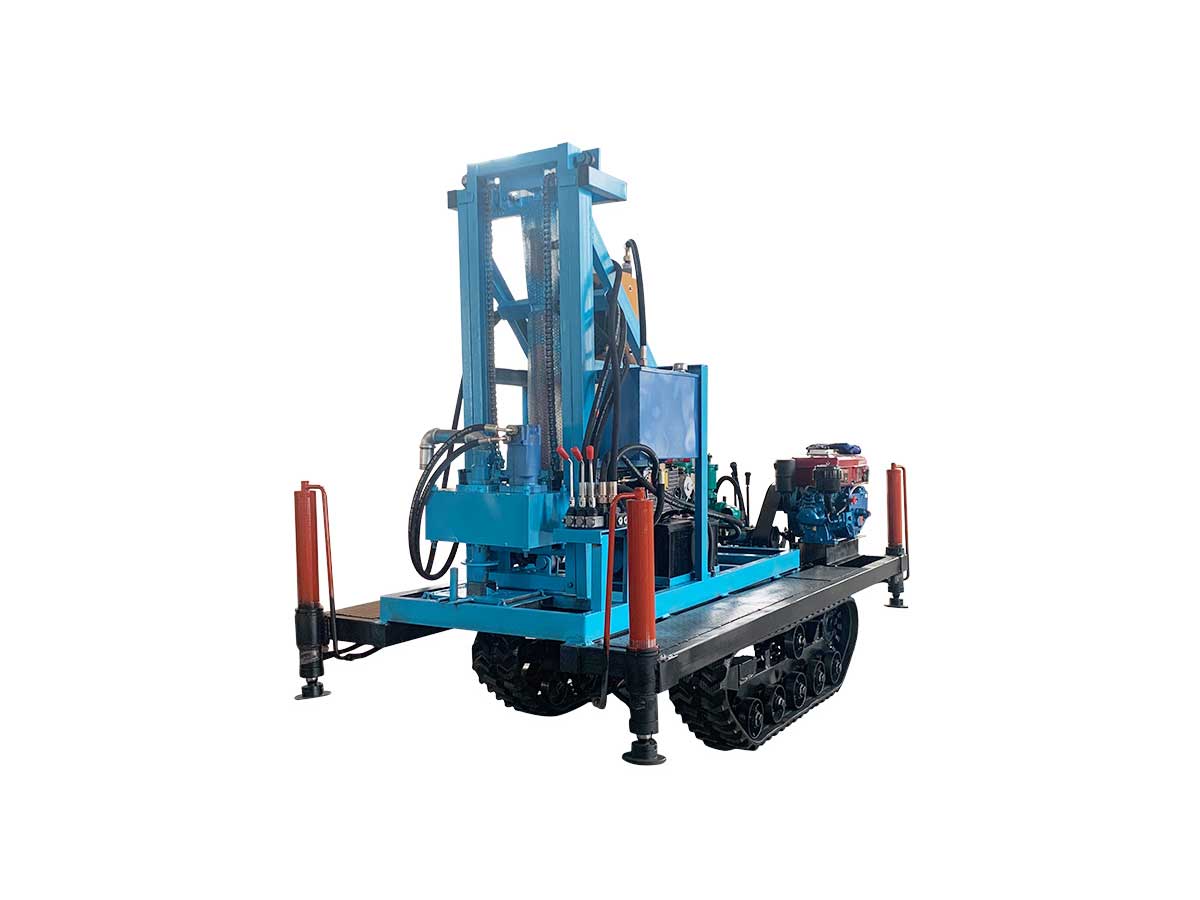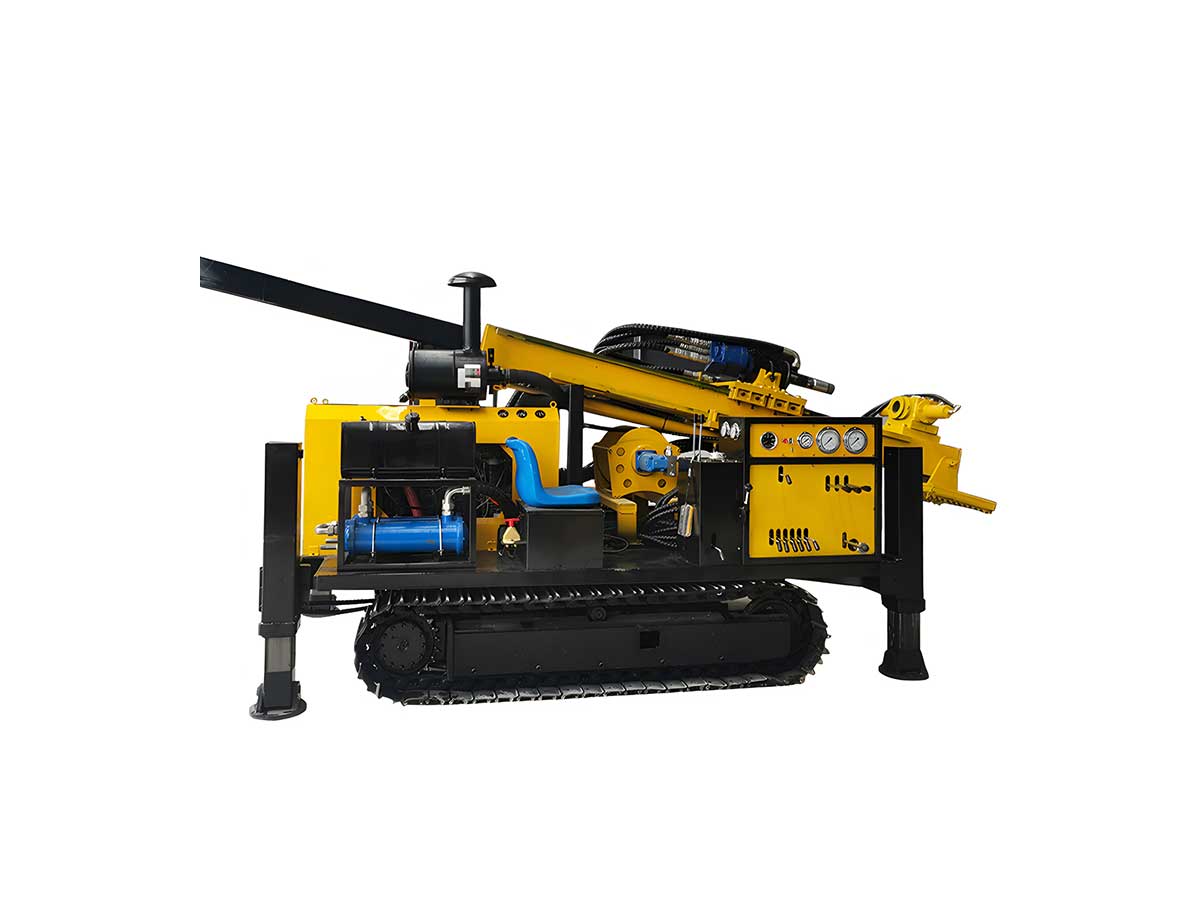


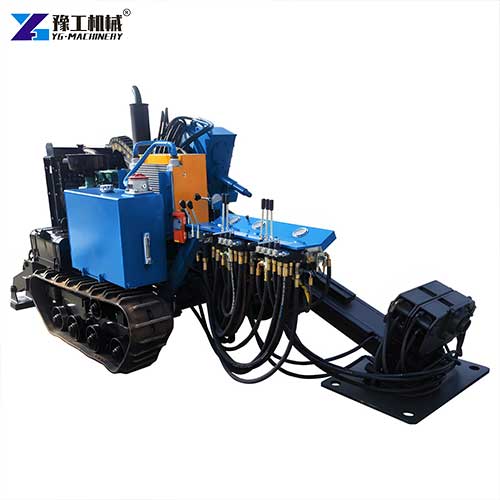
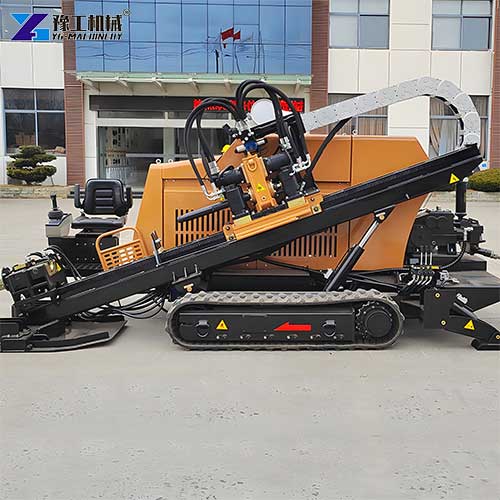
An underground pipe drilling machine is a specialised trenchless construction tool designed to install pipelines, conduits, and utility lines beneath the ground surface without digging long open trenches. Instead of excavating the entire route, this equipment launches from a small entry pit, drills a guided bore path through the subsurface, and exits at a predetermined point — all while maintaining precise control over depth, angle, and alignment.
This technology has revolutionised how cities, utility companies, and construction firms approach underground infrastructure projects. From laying fibre optic cables under busy highways to installing water mains across rivers, these machines deliver results that traditional excavation methods cannot match in speed, precision, and environmental impact.
Underground Pipe Drilling Machine Technical Parameters:
| Model | YG-160A | YG-180 | YG-280 | YG-320 | YG-320A |
| Engine rated power | 100KW | 97KW | 160KW | 140KW/160KW | 160KW |
| Push and pull | Cylinder | Motor | Motor | Cylinder | Motor |
| Maximum drag/feed force | 160/100KN | 180/180KN | 280/280KN | 320/320KN | 320/320KN |
| The maximum torque of the powerhead | 5000N.n | 6000N.n | 10000N.n | 12000N.n | 12000N.n |
| Powerhead speed | 0-180r/min | 0-140r/min | 0-120r/min | 0-140r/min | 0-140r/min |
| Moving speed of powerhead | 30m/min | 20m/min | 20m/min | 20m/min | 20m/min |
| Maximum reaming hole diameter | Φ600mm | Φ600mm | Φ750mm | Φ800mm | Φ800mm |
| Drill rod length (single) | 3m | 3m | 3m | 3m | 3m |
| Drill pipe diameter | Φ60mm | Φ60mm | Φ73mm | Φ73mm | Φ73mm |
| Drill pipe diameter | 10-23° | 10-22° | 10-23° | 10-20° | 10-20° |
| Maximum mudflow | 160L/min | 250L/min | 320L/min | 320L/min | 320L/min |
| Maximum mud pressure | 100bar | 80bar | 80bar | 80bar | 80bar |
| Overall quality | 6700kg | 8500kg | 12500kg | 11500kg | 11200kg |
| Dimension(length*width*height) | 5700*1820*2400mm | 6400*2270*2340mm | 7100*2260*2450mm | 7100*2250*2450mm | 7100*2250*2550mm |
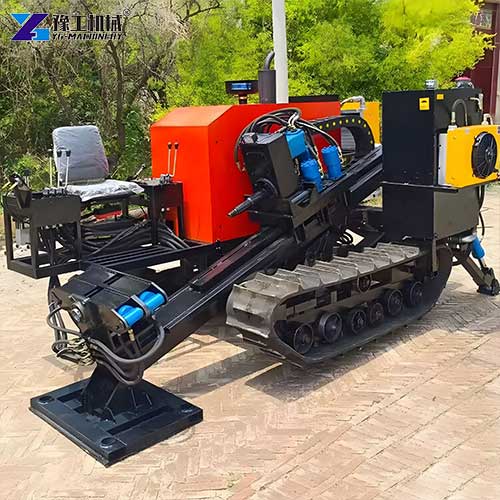

Underground Pipe Drilling Machine Construction Process
Every trenchless installation follows a structured workflow from start to finish. Understanding the full construction process helps project teams plan timelines, allocate resources, and set realistic expectations. A horizontal directional drilling rig operates through distinct phases, each requiring specific equipment, personnel, and preparation.
1. Pre-Construction Planning and Site Prep
Before any drilling begins, crews complete a thorough site survey, locate existing utilities, and mark the proposed bore path. They set up the entry and exit work areas, level the ground for the rig, and prepare fluid mixing and containment systems. Proper pre-construction planning prevents surprises, reduces delays, and ensures compliance with local regulations. This phase typically takes one to two days for most utility-scale projects.
2. Drilling and Reaming Operations
The actual drilling work happens in stages. First, the crew drills a small pilot hole from entry to exit, using a guidance system to stay on the planned path. Next, they attach a reamer and enlarge the hole to the diameter needed for the product pipe. Depending on soil conditions and the final pipe size, multiple reaming passes may be necessary. Drilling fluid circulates continuously throughout this phase to lubricate, cool, and stabilise the borehole.
3. Pipe Installation and Site Cleanup
Once the borehole reaches the correct size and condition, crews connect the product pipe to the drill string via a swivel and pull it back through the entire length of the bore. After the pipe is in place, they disconnect the equipment, pressure-test or inspect the line as required, and clean up both work areas. Most sites require only minor restoration — filling and grading the entry and exit pits, reseeding grass, and removing equipment. The result is a fully installed utility line with barely a trace above ground.

Underground Pipe Drilling Machine Common Issues & Solutions
Even with proper planning and experienced operators, challenges arise on drilling projects. Knowing what can go wrong — and how to fix it — helps keep projects on schedule and within budget. Many common issues relate to ground conditions, fluid management, or equipment setup, and most have proven solutions that experienced crews apply routinely.
1. Stuck Pipe or Drill String
One of the most feared problems on any drilling project is a stuck pipe. This happens when cuttings build up around the drill string, the borehole collapses, or swelling clay grips the pipe. Prevention starts with proper fluid program design and regular cleaning of the borehole. If sticking does occur, crews can try rotating and reciprocating the pipe, adjusting fluid properties, or using specialised tools to free the string. In severe cases, they may need to abandon part of the bore and re-drill.
2. Frac-Outs and Fluid Loss
A frac-out happens when drilling fluid breaks through to the surface — usually in soft ground or shallow sections — creating an environmental mess and potential regulatory issues. Proper fluid pressure management, careful depth planning, and ground condition assessment all help prevent frac-outs. If one occurs, crews immediately reduce pump pressure, switch to higher-viscosity fluid, and contain the surface breakout before resuming at lower flow rates.
3. Guidance and Target Misses
Sometimes the drill head arrives at the exit point off-target — too high, too low, or sideways. This can happen due to inaccurate survey data, interference with the guidance signal, or unexpected ground conditions that deflect the drill bit. Minor misses often allow for a correction run, while larger misses may require re-drilling part of the bore. Using proven guidance systems and calibrating before each project reduces the risk significantly.
4. Excessive Tool Wear
Drilling through abrasive soil or rock wears down bits, reamers, and downhole tools faster than normal. Worn tools drill more slowly, produce poorer quality holes, and increase the risk of failure mid-project. A horizontal directional drilling rig working in rocky ground needs more frequent tool inspections and replacements. Using the right tooling for the ground conditions and monitoring wear patterns helps crews plan replacements before failure occurs.

Safety Protocols for Drilling Operations
Site Preparation and Hazard Assessment:
Before any drilling begins, crews must conduct a thorough site survey and hazard assessment. This includes locating all existing underground utilities — gas lines, electrical cables, water mains — to avoid accidental strikes. Utility locates are not optional; they are a legal requirement on virtually every project, and a strike can cause serious injury, service outages, and costly repairs.
Equipment Inspection and Maintenance:
Well-maintained directional drilling equipment operates more safely and more productively. Daily pre-shift inspections should check fluid levels, look for leaks, inspect tracks and undercarriage components, and verify that all safety systems, gauges, and alarms function properly. Catching small issues before they become failures prevents both downtime and accidents.
Personal Protective Equipment and Training:
All personnel on site must wear appropriate PPE: hard hats, safety glasses, steel-toe boots, and high-visibility clothing at a minimum. Operators need specific training on the machine they will run, including emergency stop procedures and lockout/tagout protocols. Regular safety meetings and refreshers keep everyone alert and informed.
Hazardous Energy and Pressure Systems:
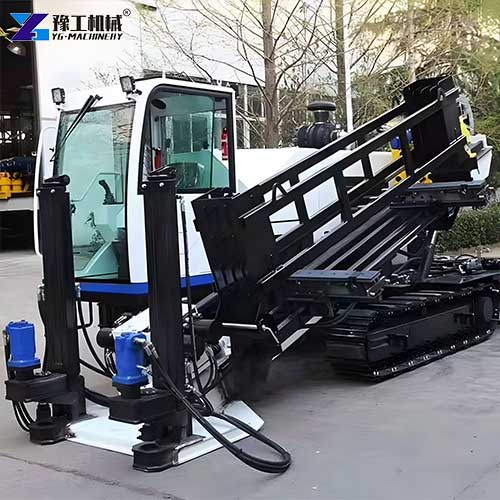
Drilling operations involve high-pressure hydraulic systems and pressurised fluid lines. Crews must understand the risks and follow proper procedures for servicing equipment. An underground pipe drilling machine generates a significant force, and unexpected releases can cause severe injury. Proper lockout/tagout procedures, pressure relief checks, and regular hose inspections are essential.
YG Underground Pipe Drilling Machine For Sale
When you partner with YG, you get more than just equipment — you gain a manufacturer with nearly two decades of drilling industry experience and a track record of serving customers across more than 200 countries. Our HDD rig machines combine robust construction, advanced hydraulic systems, and precise guidance technology to deliver reliable performance across soil types and project scales.
If you are evaluating directional drilling equipment or comparing options for an HDD rig machine and want a solution that balances performance, durability, and value, reach out to YG team today. Tell us about your typical projects, ground conditions, and production targets, and we will help you specify the right machine for your operation.