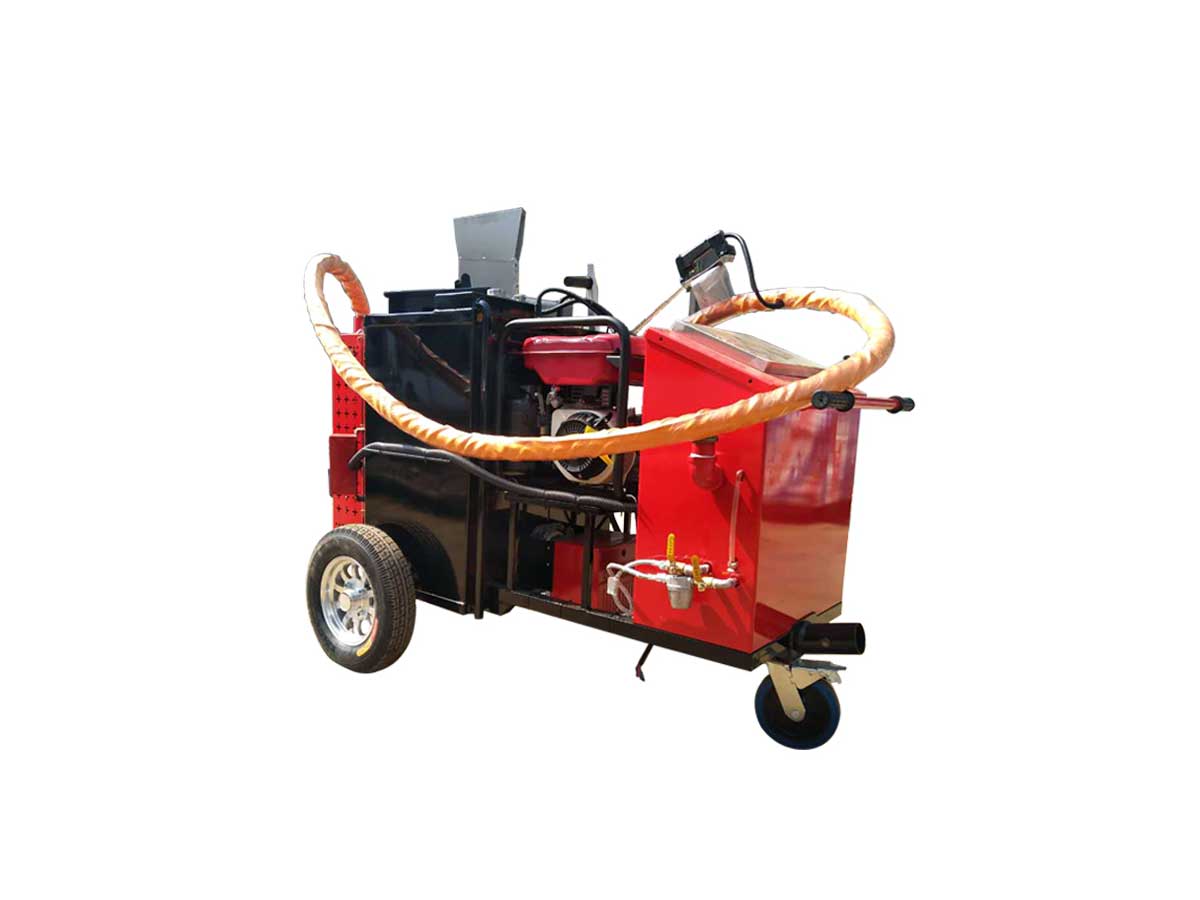

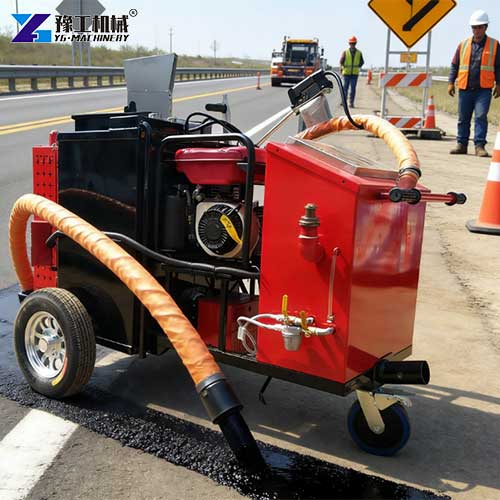
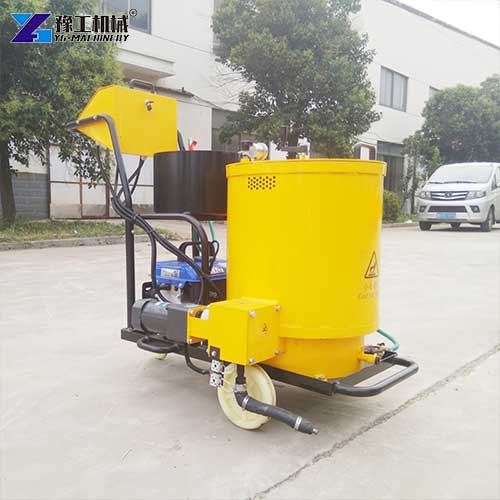
A small crack in the asphalt is easy to ignore. It does not look like a problem—just a thin line on the surface. But water seeps in. Freeze-thaw cycles widen it. Traffic pounds it. That small crack becomes a pothole, and a pothole becomes an expensive repair. An asphalt crack repair machine stops this process before it starts. It melts sealing material, pumps it into cracks, and fills them completely—keeping water out and the pavement intact. One machine prevents thousands of dollars in future road damage.
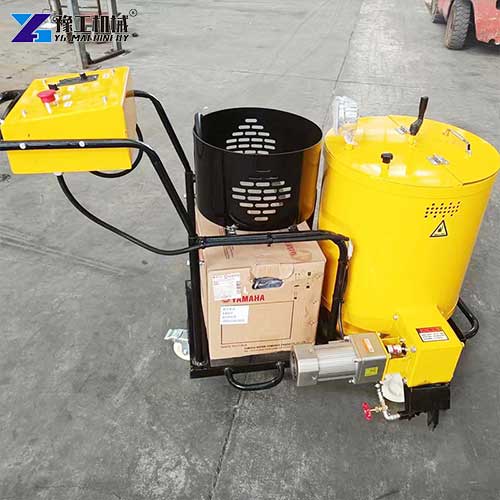
Asphalt Crack Repair Machine Parameters:
| Model | YG-50L | YG-80L | YG-100L |
| Hopper volume | 50L | 80L | 100L |
| Discharge method | Self flow | Asphalt pump feed | Asphalt pump feed + hand-held tube |
| Heating method | Liquefied gas | Liquefied gas + heat transfer oil | Italian diesel burner, heat transfer oil cycle heating |
| Temperature control | Temperature sensor 180 ° (temperature control call) | Temperature sensor 180 ° (temperature control call) | Automatic temperature control system |
| Filling speed | 10m/min | 15m/min | 20m/min |
| Length of sealing pipe | —— | —— | 5m |
| Walking mode | Push-type + brake device | Push-type + brake device | Push-type + trailer |
| Mixing method | Manual mixing | Manual mixing | Electric stirring |
| Power Configuration | Solar panels + batteries | Solar panels + batteries | Import 2KW generator |
| Dimensions | 1200*700*1200mm | 1200*700*1200mm | 1750*786*1200mm |
| Weight | 120kg | 150kg | 220kg |
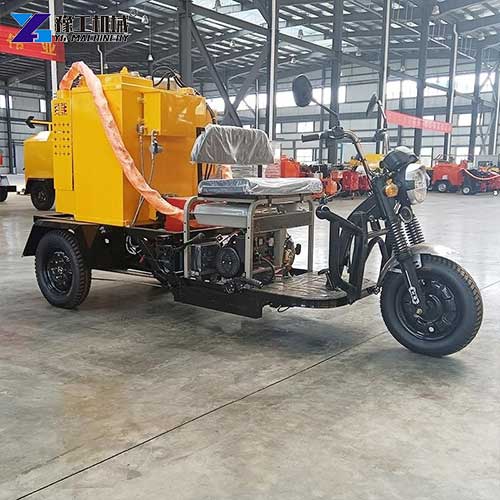
Why Machine Sealing Beats Manual Methods
Manual crack sealing—using pour pots and hand-poured sealant—is still common in some regions. It is also slow, inconsistent, and wasteful.
- Consistency. A road crack sealing machine maintains a consistent sealant temperature throughout the job. Manual for pots: lose heat quickly, causing sealant to thicken and flow poorly. Inconsistent temperature means inconsistent seal quality.
- Speed. A YG-100L fills cracks at 20 meters per minute. A manual pour pot might cover 5-10 meters per minute at best. The machine is twice as fast, and the speed advantage compounds over a full workday.
- Penetration. Machine-applied sealant is pumped into the crack under pressure, filling the entire void. Hand-poured sealant often sits on the surface without penetrating deeply. A shallow seal fails faster.
- Waste. Manual methods waste sealant through spillage and over-application. The YG series road crack sealing machine applies sealant precisely where it is needed, minimizing waste.
- Daily output. A crew using a YG-80L can seal 2,000-3,000 meters per day. Manual methods struggle to reach 1,000 meters with the same crew size.

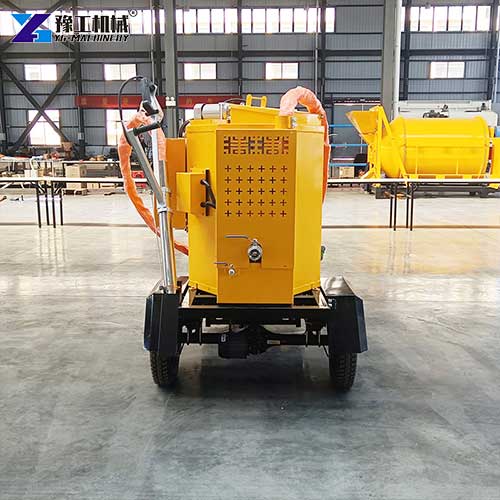
What Can an Asphalt Crack Repair Machine Do?
A crack-filling machine is not limited to one type of crack or one type of surface.
- Highway crack sealing. Highways develop longitudinal and transverse cracks from traffic loading and thermal expansion. The YG series seals these cracks quickly and durably, keeping water out of the base layer.
- Municipal street maintenance. City streets see constant traffic and varying weather conditions. Regular crack sealing extends pavement life and reduces the frequency of major resurfacing projects.
- Parking lot maintenance. Parking lots are subject to heavy vehicle loads and freeze-thaw cycles. Crack sealing prevents water intrusion and prolongs the life of the asphalt surface.
- Airport runway maintenance. Runways require precise, durable crack sealing to maintain safety and extend pavement life. The YG-100L’s precise application and consistent temperature control meet the requirements of airport maintenance operations.
- Industrial and commercial pavement. Warehouses, distribution centers, and industrial facilities have large paved areas that benefit from regular crack sealing.
- Expansion joints. The machine seals expansion joints in concrete pavements, preventing water infiltration and joint deterioration.

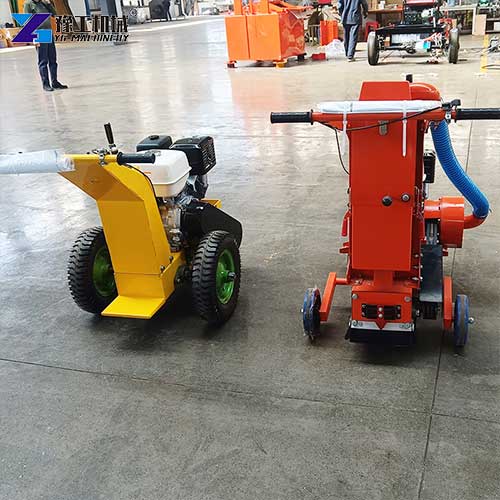
Components of Asphalt Crack Repair Machine
The YG series asphalt crack repair machine consists of several integrated systems that work together to deliver consistent, professional crack sealing results. Each component serves a specific function in the sealing process.
1. Hopper/Melting Tank
This is the core component of the machine. It holds and melts solid block sealant (some models also handle liquid sealant). The tank is made from heat-resistant, corrosion-resistant materials such as stainless steel. The hopper capacity ranges from 50L to 100L depending on the model.
2. Heating System
The heating system uses diesel burners, gas burners, or electric heating elements to provide precise, controlled heat that melts the sealant into a flowable state. Operating temperature typically ranges from 180°C to 200°C. The YG-100L uses an Italian diesel burner with heat transfer oil circulation for faster, more consistent heating.
3. Insulation Layer
The insulation layer wraps around the outside of the hopper, reducing heat loss and improving thermal efficiency. It maintains stable sealant temperature throughout the workday, preventing the material from cooling and thickening during use.
4. Stirring System
The hopper contains stirring paddles that ensure the sealant heats evenly. This prevents local overheating, scorching, or bottom sedimentation. The YG-50L and YG-80L use manual stirring. The YG-100L features electric stirring for consistent mixing with less operator effort.
5. Temperature Control System
Precision temperature control devices—including thermostats and thermocouples—monitor and adjust the sealant temperature in real time. The system maintains the sealant at the optimal viscosity for application. The YG-100L crack filling machine features an automatic temperature control system that eliminates guesswork.
6. Pumping System
The pumping system transfers molten sealant from the hopper to the dispensing gun or nozzle. Common pump types include gear pumps, piston pumps, and screw pumps. The YG-80L and YG-100L use asphalt pumps for consistent, pressurized flow.
7. Dispensing System
The dispensing system includes the hose and dispensing gun (or nozzle). The operator controls the flow of sealant through the gun, injecting it precisely into cracks. The YG-100L features a 5-meter sealing pipe and a hand-held tube for extended reach without repositioning the machine.
8. Power System
The power system provides the energy required for machine operation. The YG-50L and YG-80L use solar panels and batteries. The YG-100L crack-filling machine uses an imported 2KW generator. Diesel engines or electric motors are common power sources for larger units.
9. Walking System
The walking system determines how the machine moves around the job site. The YG series offers three walking configurations:
- Push-type (YG-50L and YG-80L): Small, manually pushed units suitable for small repairs and narrow areas. These models include a brake device for safe positioning.
- Self-propelled: Self-powered walking units (wheeled or tracked) for greater mobility and efficiency on large-scale jobs.
- Trailer-mounted (YG-100L): Designed to be towed by a truck or tractor. Suitable for larger operations and longer transport distances.
10. Control Console
The control console provides centralized control over heating temperature, pumping speed, and walking (for self-propelled models). Operators can monitor and adjust all machine parameters from a single location.
Crack Fill Machine For Sale
The asphalt crack repair machine from YG supports proactive pavement preservation, helping your projects extend pavement service life and lower overall infrastructure renewal spending.
Reach out to submit your project details. Share your common working conditions and preferred capacity, and get targeted specification guidance for your next purchase. Get a free quote for your crack-fill machine for sale today.