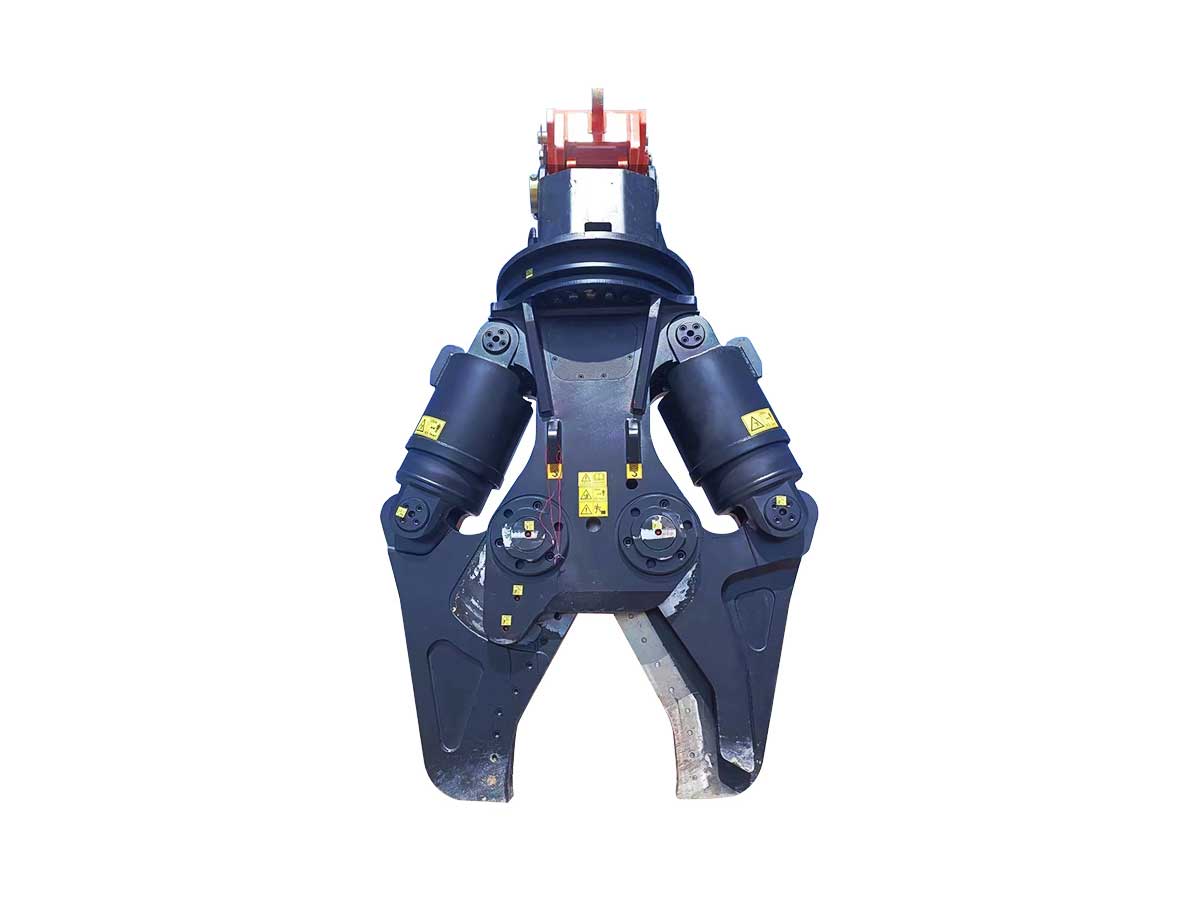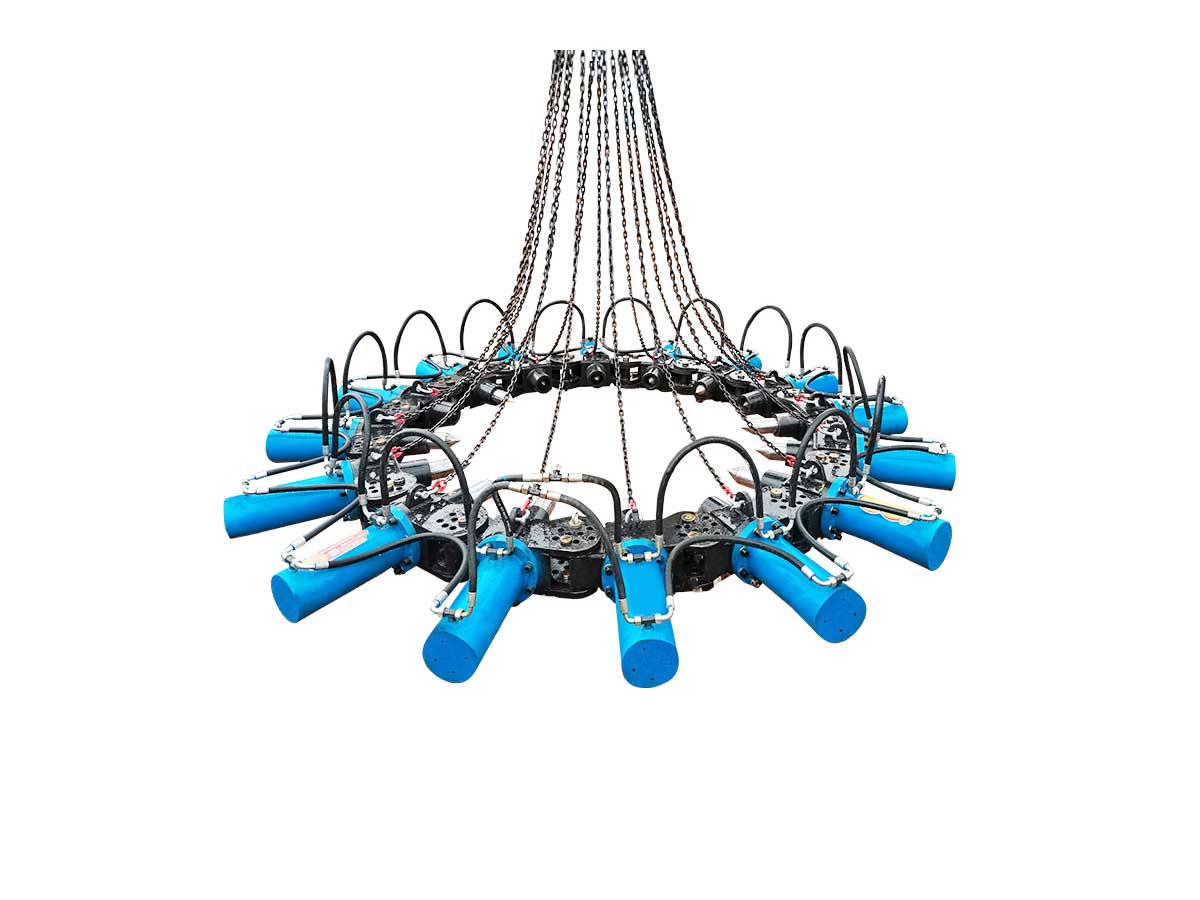

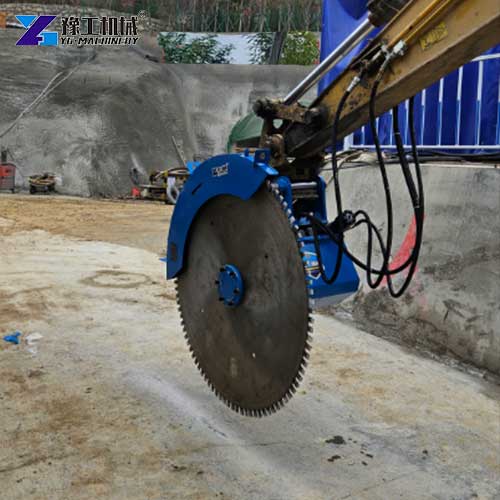
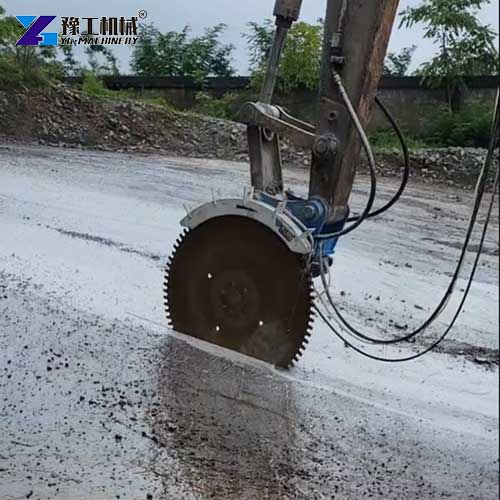
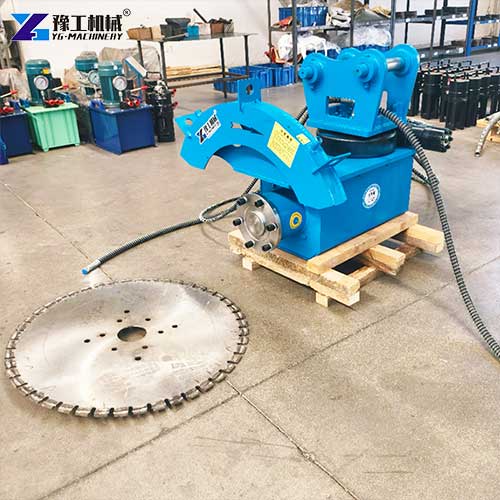
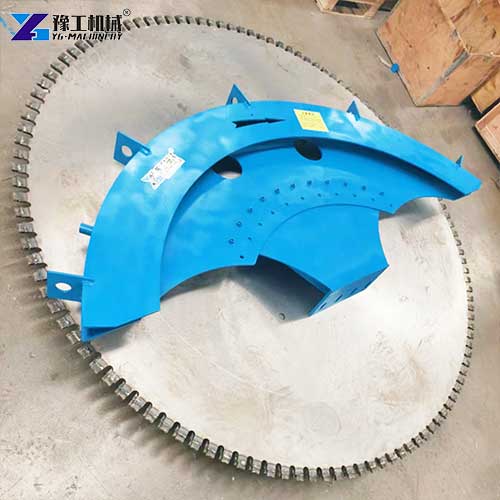
Cutting rock, concrete and hard stone on construction and demolition sites has traditionally relied on either slow hydraulic hammer breaking or large, expensive dedicated cutting equipment. For contractors running standard excavators, an excavator-mounted rock saw eliminates both limitations by turning the excavator into a precision cutting machine. It is a hydraulically driven circular saw attachment that mounts to the excavator arm in place of the bucket, using the excavator’s own hydraulic system to spin a diamond or abrasive blade at high speed for clean, controlled cutting of rock, concrete and masonry.
Excavator Mounted Rock Saw Parameters:
| Model/Motor Model | YSJ04 | YGJ06 | YSJ08 | YSJ10 | ||||
| Rotation Mode | Fixed Type | 360°Rotation | Fixed Type | 360°Rotation | Fixed Type | 360°Rotation | Fixed Type | 360°Rotation |
| Applicable excavators (T) | 6-12 | 6-12 | 12-20 | 12-20 | 20-30 | 20-30 | 30-40 | 30-40 |
| Machine weight (KG) | 200 | 260 | 350 | 450 | 500 | 600 | 500 | 700 |
| Saw blade size (mm) | 800 | 1200 | 1600 | 1800 | ||||
| Theoretical Displacement (ml/r) | 154 | 154 | 493 | 792 | ||||
| Torque (N.m) | 600 | 600 | 1923 | 3100 | ||||
| Peak Pressure (MPa) | 40 | 40 | 40 | 40 | ||||
| Unit Torque (N.m/MPa) | 24 | 24 | 76.9 | 124 | ||||
| Continuous Speed (r/min) | 1-650 | 1-650 | 1-550 | 1-500 | ||||
| Maximum Speed (r/min) | 1100 | 1100 | 800 | 600 | ||||
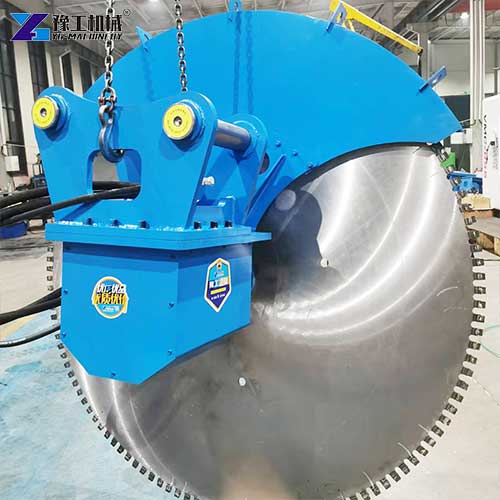
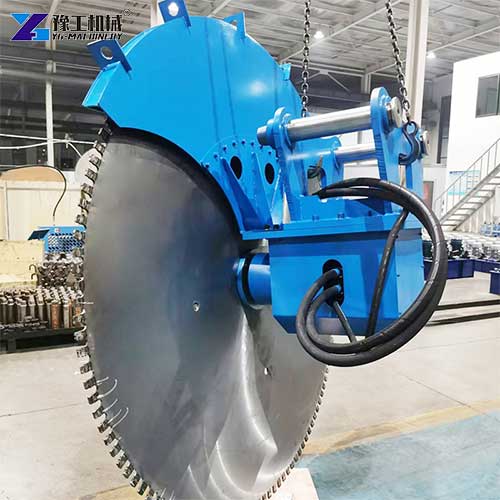
Fixed vs 360° Rotation
The YG excavator-mounted rock saw offers each motor model in two configurations: fixed type and 360° rotation type. The difference between them is not minor—it determines what kind of jobs the saw can handle.
Fixed-type mounts the blade in a single orientation. The operator positions the excavator arm to achieve the desired cut angle. This configuration works well for straight-line cutting, trenching, and applications where the cut direction remains consistent throughout the job.
360° rotation type allows the blade to rotate continuously, enabling cuts from any angle without repositioning the excavator. The operator adjusts the cutting angle through hydraulic controls, performing side cuts, angled cuts, sloped cuts, and complex profile cuts from a single machine position.
The weight difference is significant. A YSJ04 rock saw machine fixed type weighs 200kg, while the 360° version weighs 260kg—60kg more for the rotation mechanism. A YSJ10 fixed type weighs 500kg, while the 360° version weighs 700kg. The extra weight delivers the hydraulic components needed for continuous rotation under load.
For operators performing complex demolition or quarry work, the 360° rotation configuration provides the flexibility to handle intricate cutting patterns without constantly moving the excavator. For straight trenching and utility work, the fixed type delivers the same cutting power at a lower weight and cost. The choice is not about which is better—it is about which fits the work.
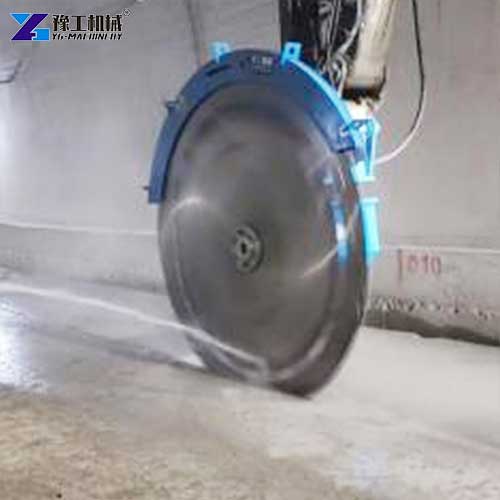
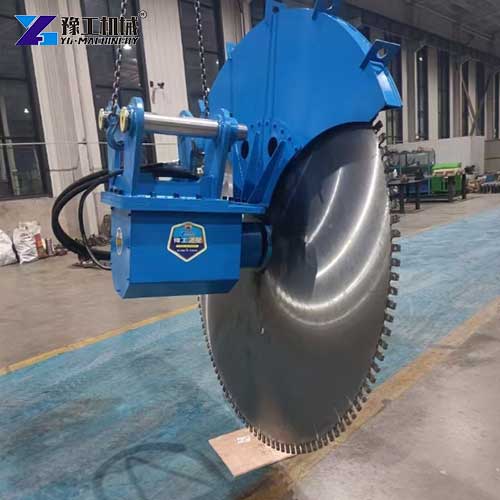
What Can an Excavator-Mounted Rock Saw Cut?
The YG series excavator rock saw handles a wide range of materials across multiple industries.
- Granite and Basalt. Hard rock quarrying and mining. The YSJ08 and YSJ10, with higher torque and larger blades, cut through these materials cleanly, producing straight edges that require no secondary processing.
- Reinforced Concrete. Demolition and structural removal. The hydraulic rock saw cuts through concrete and rebar in a single pass—no need for torches or secondary rebar cutting.
- Limestone and Sandstone. Quarrying and construction. The mid-range models (YGJ06, YSJ08) handle these materials efficiently at higher speeds.
- Asphalt. Road cutting and repair. The saw cuts clean, straight lines for utility access and pavement removal.
Urban demolition benefits from the saw’s low noise and low vibration compared to breakers and blasting. In populated areas where noise restrictions apply, the excavator rock saw works where breakers cannot.
How to Select the Right Model for Your Project
Choosing the right model comes down to four questions. Answer them in order and the choice is straightforward.
- First: What size excavator do you have? The YSJ04 fits 6-12T. The YGJ06 fits 12-20T. The YSJ08 fits 20-30T. The YSJ10 fits 30-40T. A saw too heavy for the excavator compromises stability. A saw too light underutilizes hydraulic capacity. If your machine is at the lower end, choose a fixed configuration to save weight. If at the upper end, 360° rotation adds capability without compromising stability.
- Second: How deep do you need to cut? Cutting depth is roughly 40-45% of the blade diameter. An 800 mm blade cuts 300- 350 mm for shallow work. 1200mm cuts 500- 550 mm for medium trenches. 1600mm cuts 700- 750 mm for foundations and quarry work. 1800mm cuts 800- 850 mm for massive structures. Choose the blade that reaches your required depth—nothing else matters if it does not cut deep enough.
- Third: Fixed or 360° rotation? Fixed-type mounts the blade in one orientation—sufficient for straight trenches and simple cuts. 360° rotation allows side cuts, angled cuts, and complex profiles without repositioning the excavator. Straight work = fixed. Complex work = 360°.
- Fourth: What material are you cutting? YSJ04 and YGJ06 deliver 600 N.m torque for limestone, sandstone, and light concrete. YSJ08 delivers 1923 N.m for granite and heavily reinforced concrete. YSJ10 delivers 3100 N.m for basalt and massive structures. Match torque to material hardness. If torque is insufficient, the blade stalls.
Excavator Mounted Rock Saw For Sale
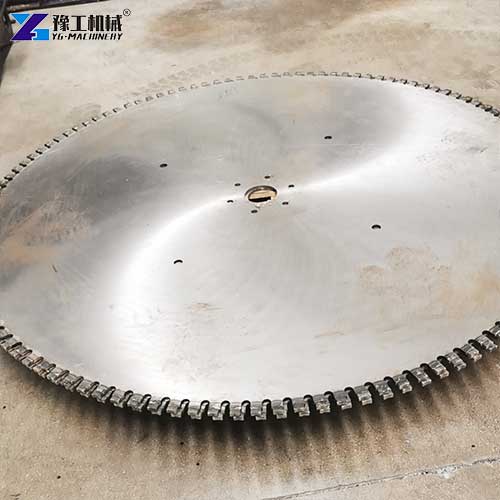
YG Machinery has a proven track record of supplying excavator-mounted rock saws to mining, quarrying, and construction customers worldwide. The company provides technical support and spare parts availability for international customers.
If you need an excavator-mounted rock saw that cuts through hard rock with precision and efficiency, the YG series provides proven performance. Contact us with your excavator model and typical cutting conditions. We will recommend the right hydraulic rock saw for your operation. Get a free quote for your rock saw machine today.