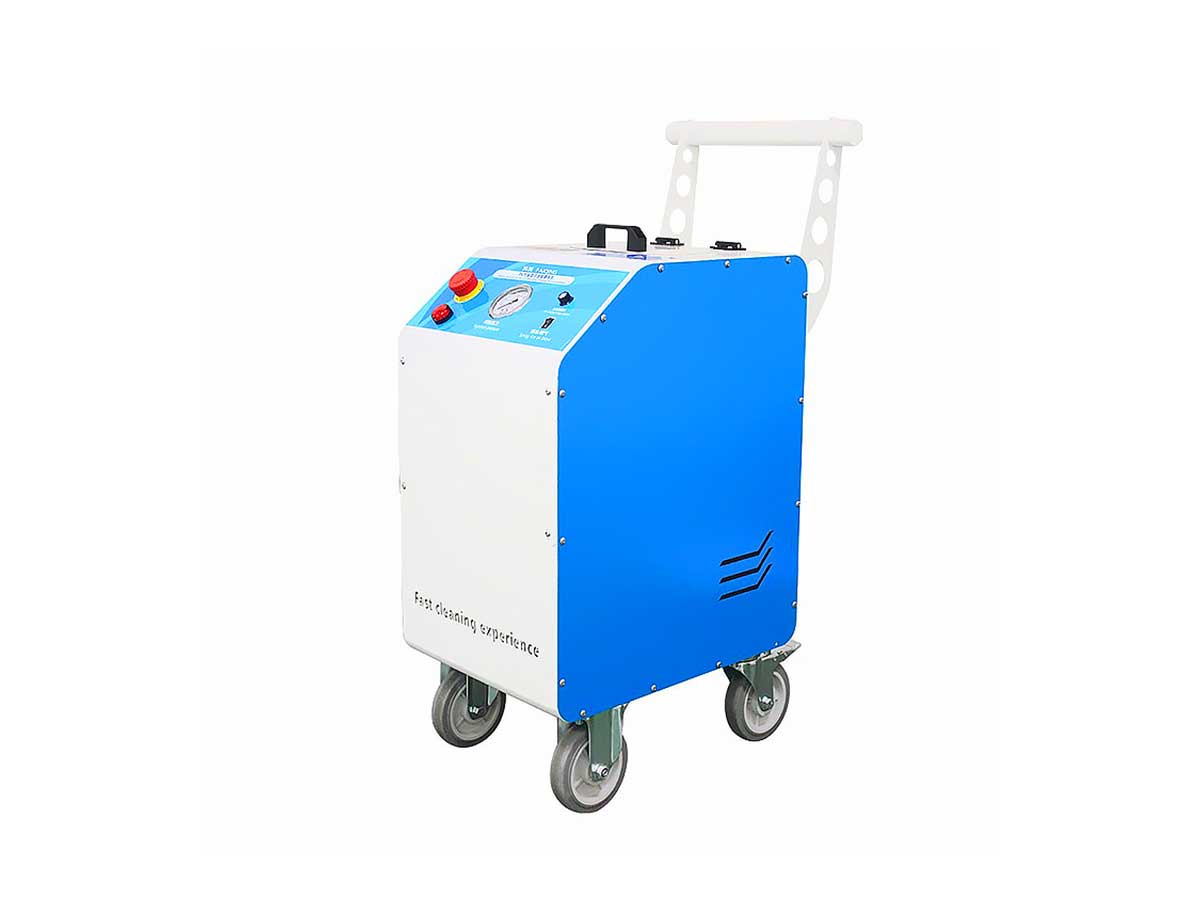


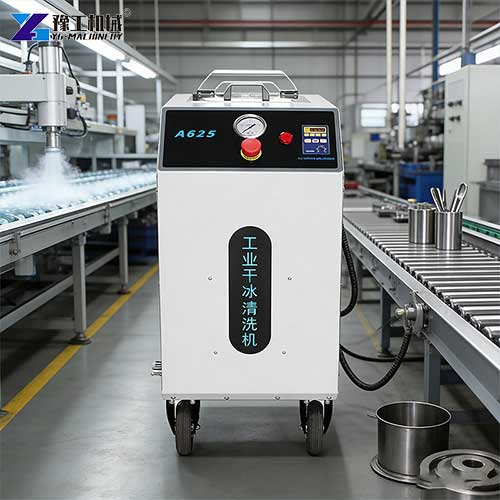
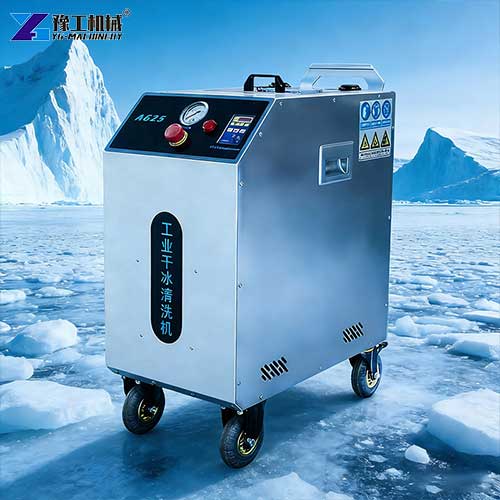
A portable dry ice blasting machine is a compact air-driven cleaning device built with four graded models covering ICE-JET 3.0, 6.0,15 and 40 to match varied daily cleaning workloads. Each unit sets independent limits on dry ice loading capacity, air consumption and working pressure, with total power kept under 800W across the whole product lineup. The compact body structure and ergonomic spray handle let operators move the unit between multiple workstations flexibly, suitable for both fixed workshop deployment and mobile on-site cleaning jobs.
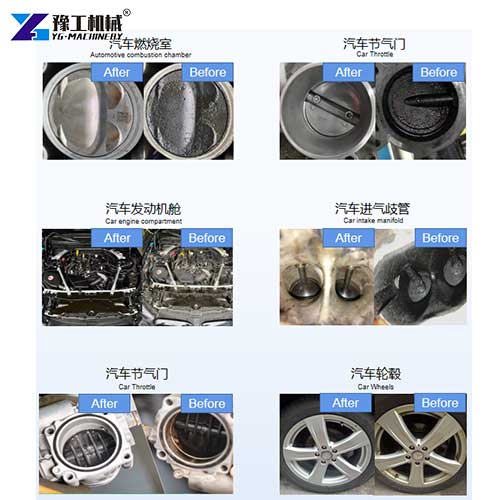
Many auto maintenance workshops pick a dry ice car cleaning machine for exterior and engine bay cleaning work, while detail shops use a dry ice detailing machine to remove stubborn grime on vehicle interiors and precision trim. Industrial service providers that handle heavy grease buildup regularly compare performance parameters of a dry ice sand blaster before finalizing equipment purchases. All four models adopt unified stainless steel housing and independent electrical cabinet layout to keep consistent operational stability under long working hours.
Portable Dry Ice Blasting Machine Parameters:
| Model | ICE-JET 3.0 | ICE-JET 6.0 | ICE-JET 15 | ICE-JET 40 |
| Dry Ice Capacity | 3KG | 6KG | 15KG | 40KG |
| Dry Ice Consumption | 20-50KG/H | 20-50KG/H | 30-100KG/H | 30-100KG/H |
| Supply Pressure | 3-10bar | 13-10bar | 3-10bar | 3-10bar |
| Air Consumption | 1-2m³/min | 1-3m³/min | 1-4m³/min | 1-5m³/min |
| Weight | 40KG | 50KG | 65KG | 80KG |
| Dimensions | 460x340x750mm | 460x350x850mm | 550x445x985mm | 650x550x1000mm |
| Total Power | <500W | <800W | <800W | <800W |

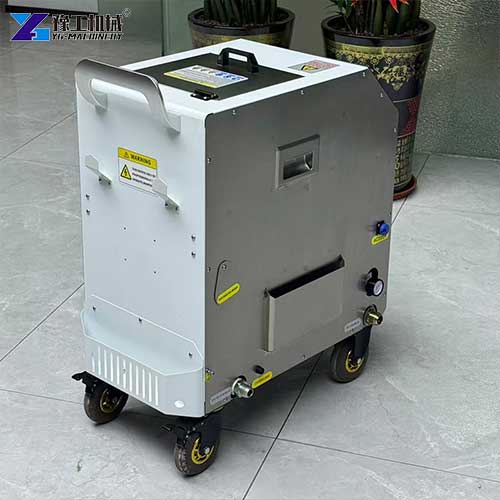
Ergonomic Design And Operational Safety Optimization
This exclusive section focuses on human-centered design details that reduce operator fatigue and lower operational risks, split into structured points for clear reading:
1. Handheld Spray System Optimization
All matched spray hoses use dedicated low-temperature-resistant materials with quick coupling fittings. The flexible hose structure improves bending performance, letting operators adjust angles freely for overhead positions, narrow gaps and hard-to-reach corners. The spray handle installs an anti-false trigger protection switch; users toggle between ice spraying and air-only blowing mode without shutting down the whole machine, which cuts idle dry ice waste during position adjustment. The handle shape follows ergonomic standards to reduce wrist strain during hours of continuous operation.
2. Electrical And Static Protection Settings
The whole unit adds static elimination modules to avoid static buildup during high-speed dry ice ejection, a key protective feature for electronics, circuit boards, and plastic part cleaning. All internal electrical components adopt mainstream industrial brand parts with precision machining for stable circuit operation. The electrical control cabinet uses an independent enclosed structure that isolates internal circuits from external dust and moisture, lowering short-circuit failure risks in humid or dusty factory environments.
3. Daily Operation Threshold Reduction
The control panel keeps functional layout straightforward without complex parameter settings; new operators can master basic operation after short on-site guidance. The continuous and steady ice feed design prevents uneven spray output caused by dry ice blockage, cutting repeated debugging work during formal cleaning. Stainless steel outer shell resists daily scratches and chemical corrosion, so the unit maintains reliable performance even under harsh workshop working conditions.

Portable Dry Ice Blasting Machine Optimized Jet Control to Reduce Dry Ice Waste
Practical operational guidance for end users to optimize consumable usage and extend component service life:
- Pressure adjustment matching: Adjust inlet air pressure within the specified range of each model. Apply lower pressure for delicate surfaces like car paint and plastic trim, and increase pressure appropriately for thick rust, heavy carbon deposits and hardened grease. Excessively high pressure brings no efficiency improvement but accelerates nozzle wear and unnecessary dry ice waste.
- Dry ice filling management: Do not overfill the storage tank beyond the rated capacity of each model. Leave reasonable empty space inside the tank to guarantee smooth ice feeding, and replenish dry ice in batches during long continuous operation to reduce sublimation loss caused by long-time bulk storage inside the equipment.
- Pre-run inspection routine: Check hose connection tightness and static protection function before each shift, confirm trigger protection works normally before formal cleaning. Clear residual dry ice inside the feeding channel after daily work finishes to avoid blockage caused by melted ice refreezing.
- Ambient condition adaptation: Lower ice feed rate when working in high-temperature environments to slow down dry ice sublimation; keep ventilation around the machine stable to prevent condensed moisture from affecting internal feeding mechanisms.

Surface Material Compatibility Guide For Portable Dry Ice Blasting Machine
This targeted guide clarifies which substrates the portable dry ice blasting machine safely processes and which require adjusted operating settings, answering the top pre-purchase question from most industrial and commercial buyers:
1. Fully Safe Unrestricted Materials
All rigid metal surfaces including steel, aluminum, cast iron, copper alloy, and factory mould steel receive zero surface abrasion from dry ice blasting. Hard composite materials, thick industrial plastic, tempered glass and coated metal frames can be cleaned with standard pressure settings without pre-testing. Auto body metal panels, engine iron components and printing machine metal rollers all fall into this safe category, making a dry ice car cleaning machine ideal for vehicle workshop daily maintenance.
2. Delicate Materials Requiring Low-pressure Settings
Thin automotive paint, soft interior leather, thin plastic trim, circuit boards and coated aluminum profiles need reduced air pressure and wider fan nozzles. Operators hold the nozzle further from the surface to dilute jet impact force and eliminate scratch risk. A dry ice detailing machine is purpose-built with matching low-pressure operating parameters for these fragile vehicle interior and exterior decorative surfaces.
3. Materials Not Recommended For Dry Ice Blasting
Thin soft rubber, ultra-thin foam padding, unhardened fresh paint and fragile thin glass easily crack or deform under low-temperature jet impact. For these materials, alternative cleaning methods like solvent wiping are more suitable instead of deploying the portable dry ice blasting machine. Commercial cleaning teams that operate a dry ice sand blaster can reference this guide to avoid costly client surface damage claims on site.

YG manufactures a full-series portable dry ice blasting machine with fully customizable configuration packages to match auto detailing, industrial maintenance and outsourced commercial cleaning business demands. Our professional technical team delivers tailored material compatibility suggestions, complete package matching plans and long-term operating cost optimization guidance based on your primary cleaning materials, daily project volume and workshop layout. Share your core cleaning scenarios and business scale with our team right now to receive full specification documents, accessory matching lists and a customized project quotation.