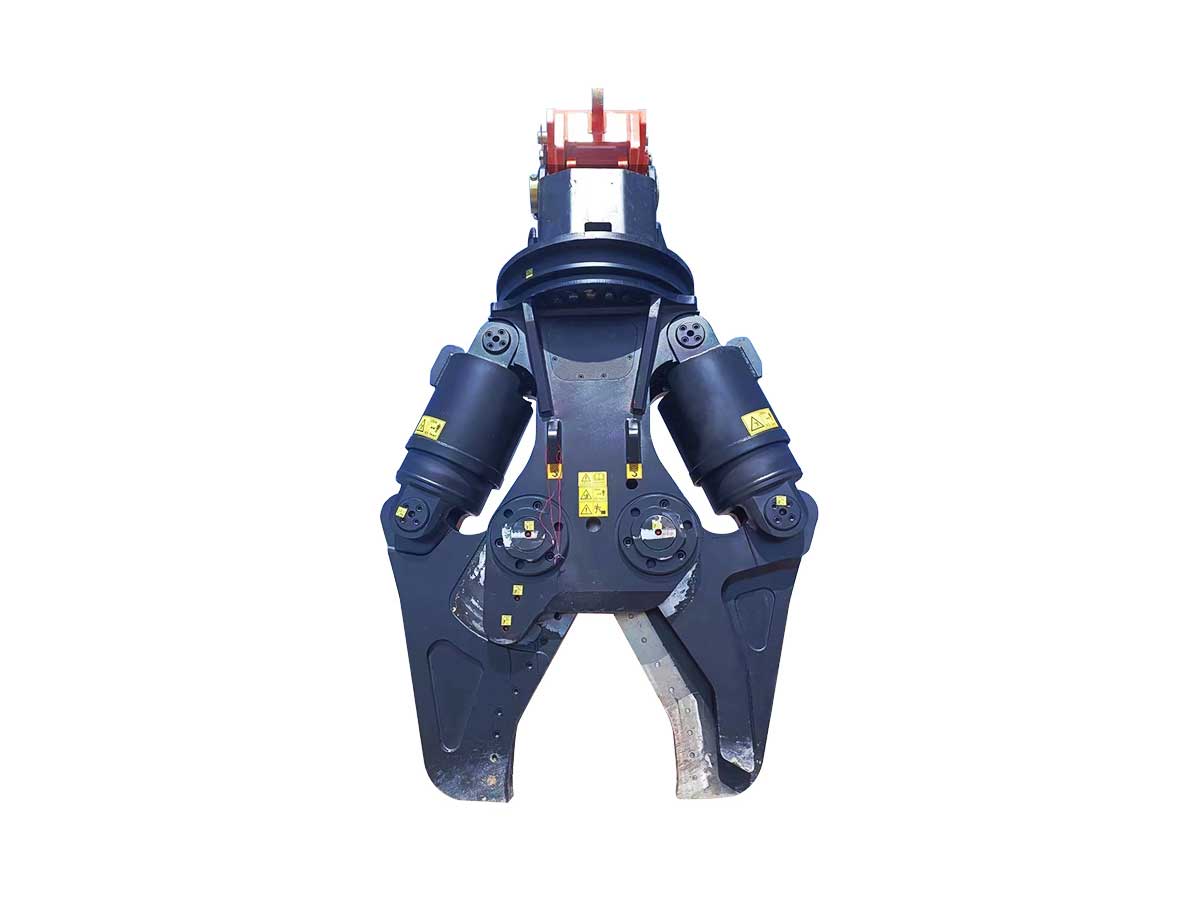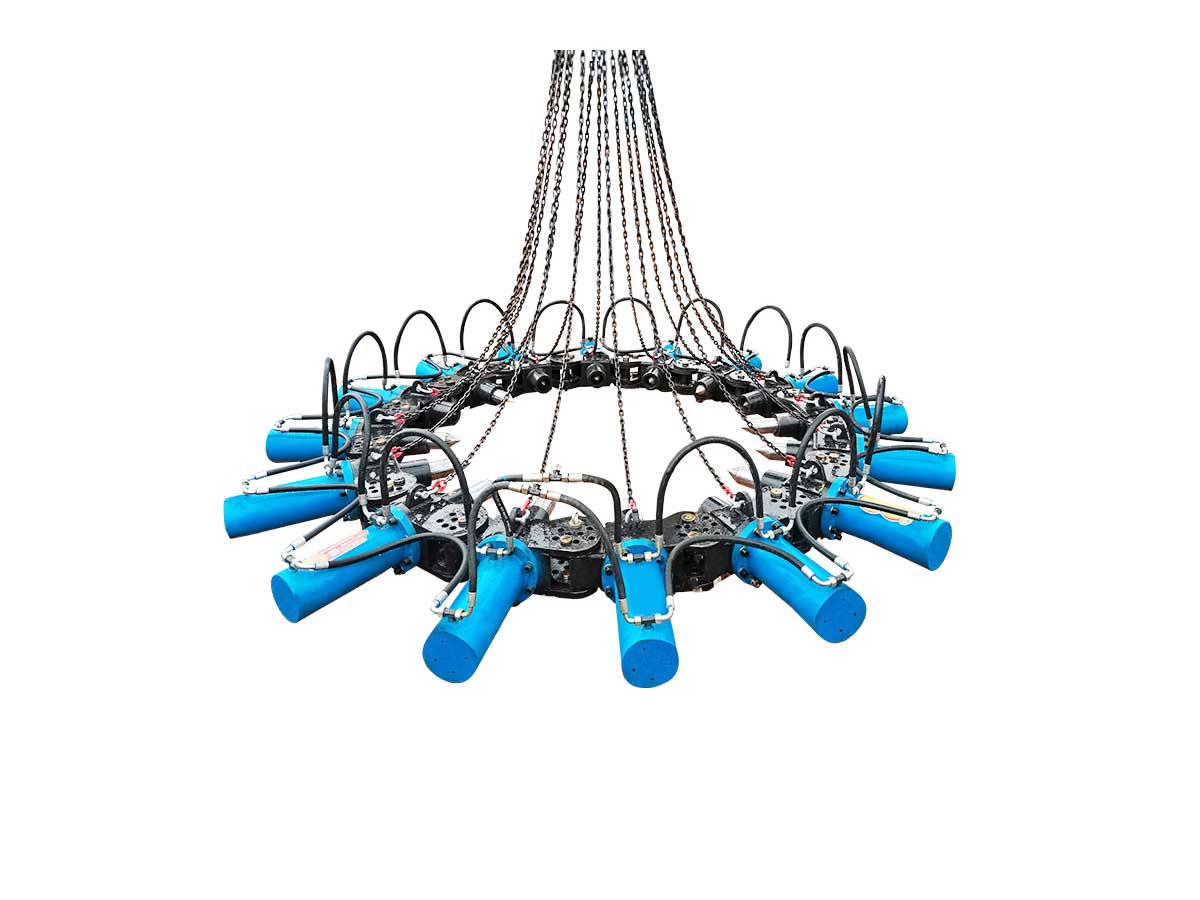


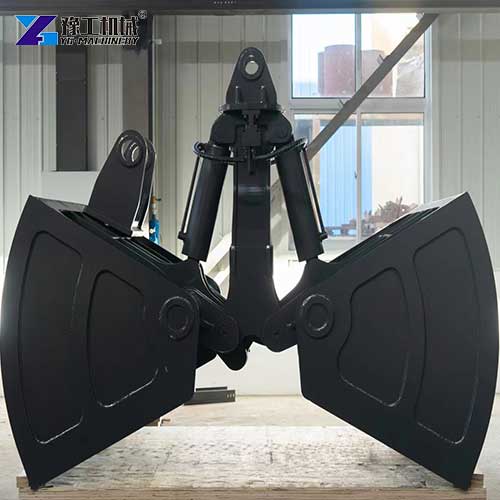
Deep excavation work — foundation pits, elevator shafts, underground storage tanks, deep trenches — creates a material handling problem that standard excavator buckets cannot solve efficiently. When the digging depth exceeds the reach of a standard bucket’s curl-and-dump motion, or when loose material must be lifted vertically from a narrow shaft, a conventional bucket spills material and wastes time. An excavator clamshell bucket solves this problem by using two hinged shell halves that open and close like a clamshell, grabbing material from below and holding it securely during vertical lifting.
Excavator Clamshell Bucket Specifications:
| Model | YGCS04 | YGCS06 | YGCS08 | YGCS10 |
| Suitable Excavator | 7-11T | 12-18T | 18-25T | 26-35T |
| Weight | 800kg | 1200kg | 2000kg | 2300kg |
| Opening | 1000mm | 1500mm | 2200mm | 2300mm |
| Working Pressure | 180bar | 210bar | 250bar | 250bar |
| Set Up Pressure | 250bar | 290bar | 320bar | 340bar |
| Working Flow | 190 lpm | 210 lpm | 220 lpm | 240 lpm |
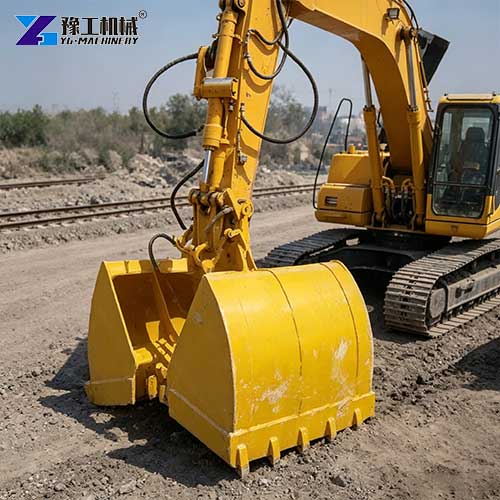
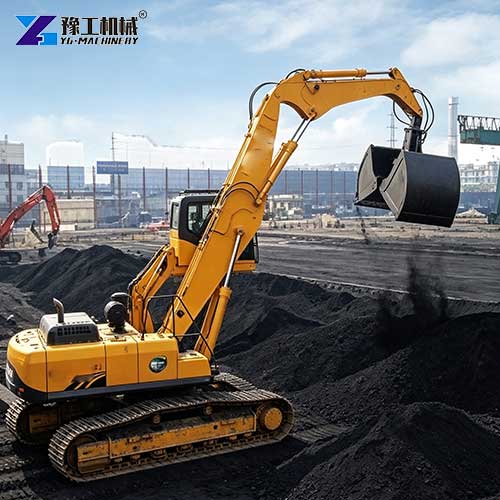
5 Applications of Excavator Clamshell Bucket
- Quarrying and Mining. Moving crushed rock, sand, gravel, and ore from stockpiles to trucks or conveyors. The NM500 steel construction withstands the abrasive nature of crushed rock. The dual-cylinder design provides the clamping force needed for dense materials.
- Demolition and Construction. Handling demolition debris, concrete rubble, and mixed construction waste. The small clamshell bucket grabs irregular shapes and bulky materials that standard buckets cannot hold. The opening widths of 1000- 2300 mm accommodate a wide range of material sizes.
- Port and Dock Operations. Loading and unloading bulk cargo such as coal, ore, grain, and fertilizer. The hydraulic clamping action secures the load during transfer, reducing spillage and improving cycle times.
- Dredging and Waterway Maintenance. Excavating sediment from riverbeds, harbors, and canals. The clamshell bucket works underwater, reaching down to extract material from the bottom. The dual-shell design allows the bucket to close around the sediment and lift it to the surface.
- Industrial Material Handling. Handling bulk materials in factories, processing plants, and waste management facilities. The bucket picks up scrap metal, wood chips, and other loose materials that standard buckets spill.
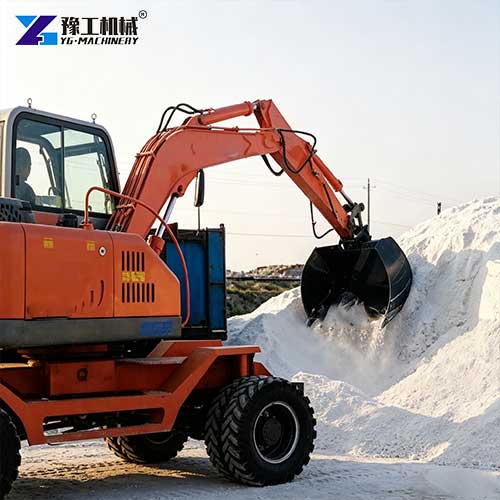
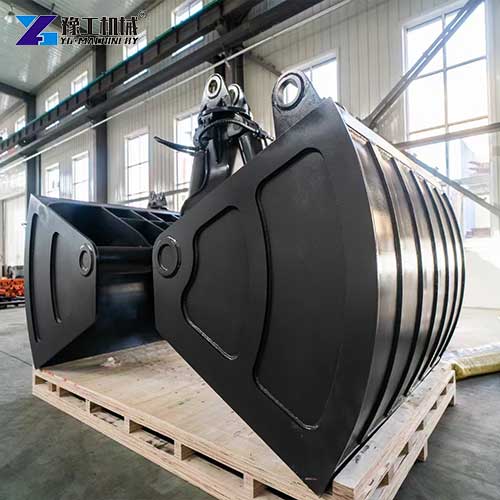
Working Principle of Hydraulic Clamshell Bucket
The working principle of the excavator clamshell bucket centers on a central hinge pin joining two shell halves, with hydraulic cylinders providing the force to open and close.
When the bucket approaches the material, the operator activates the auxiliary hydraulic circuit to open the shells. The cylinders retract, pulling the two halves outward until the bucket is fully open. The operator then lowers the open bucket into the material until the cutting edges penetrate the surface.
Once positioned, the operator reverses hydraulic flow to close the shells. The cylinders extend, forcing the halves inward and downward. The cutting edges meet at the bottom, trapping material between the shells. Closing force is determined by working pressure — 180 bar on the YGCS04 up to 250 bar on the YGCS08 and YGCS10 — generating sufficient clamping force to hold dense material securely during lifting.
With the shells closed, the operator lifts the bucket vertically out of the pit. The shells form a nearly enclosed container, so material does not spill during vertical lifting or swinging — the key advantage over a standard bucket, which relies on curl and spills easily.
At the dump location, the operator opens the shells to release material by gravity, then returns for the next cycle. The complete open-dig-close-lift-dump cycle takes only seconds. The set-up pressure of each model — 250 to 340 bar across the range — provides a safety margin above working pressure for reliable clamping even with heavy or irregular material.
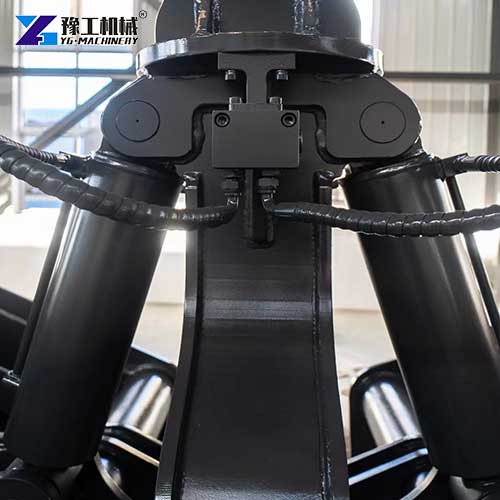
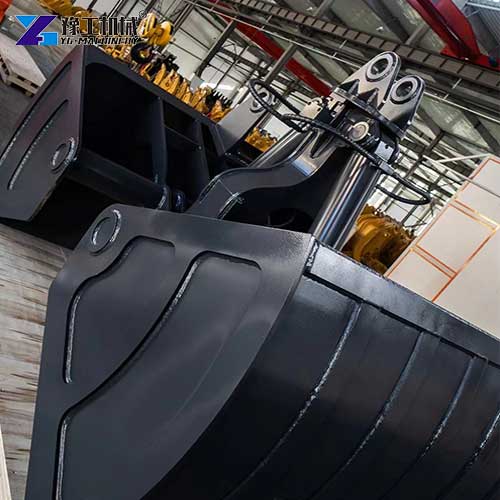
6 Features of Excavator Clamshell Bucket
1. Dual-shell clamshell design for secure grip
Two hinged shells open wide to penetrate material and close completely to trap it, creating a secure hold that prevents spillage during vertical lifting. The shell shape maximizes grab volume while maintaining structural rigidity.
2. Hydraulic cylinder drive with consistent clamping force
Hydraulic cylinders drive opening and closing, delivering consistent clamping force throughout the stroke. Working pressure ranges from 180 to 250 bar, with set-up pressure providing an additional safety margin. This ensures the shells close with enough force to grab dense, heavy material and maintain a hold during lifting.
3. Full model range covering 7 to 35-ton excavators
Four models cover all common excavator sizes: YGCS04 for 7-11T, YGCS06 for 12-18T, YGCS08 for 18-25T, and YGCS10 for 26-35T, ensuring a correctly sized bucket for virtually any machine in the working range.
4. Wide shell opening range for different material volumes
Shell opening ranges from 1000mm to 2300mm across the model range, allowing each model to grab an appropriate material volume for its excavator size. Each model is calibrated to match the lift capacity of its target tonnage band.
5. Heavy-duty construction for demanding conditions
Shells, hinge assembly and mounting frame are built from high-strength steel, reinforced at high-stress points. Cutting edges use wear-resistant material for abrasive materials like gravel and fragmented rock, and hinge pins are hardened to resist wear from repeated cycles.
6. Simple installation and operation
The small clamshell bucket mounts with standard pin connections and connects to the existing auxiliary hydraulic circuit with quick-connect couplings. No excavator modification is required, and operators familiar with excavator attachments learn to use it quickly. Open and close functions are controlled through the auxiliary foot pedal or joystick button.
6 FAQs About YG Excavator Clamshell Bucket
A: The bucket handles sand, gravel, soil, coal, ore, demolition debris, scrap metal, crushed rock, grain, and fertilizer. The NM500 steel construction resists wear from abrasive materials. The active clamping action holds loose materials that standard buckets spill.
A:A standard bucket relies on curling force and gravity to hold material. It spills loose, wet, or powdery materials. A clamshell bucket actively clamps the load between two hydraulic shells. It grabs and holds materials that standard buckets cannot.
A: Yes. The hydraulic clamshell bucket is suitable for underwater excavation and dredging. The hydraulic cylinders and seals are designed for submerged operation. The bucket reaches down to extract sediment from riverbeds, harbors, and canals.
A: Digging depth is limited by the excavator’s arm reach and boom length, not the bucket itself. The bucket grabs material at any depth the arm can reach, and for very deep work, it can be used with a long-reach arm configuration.
A: The YGCS04 opens to 1000mm. The YGCS06 opens to 1500mm. The YGCS08 opens to 2200mm. The YGCS10 opens to 2300mm. Larger openings accommodate bigger material sizes and increase productivity.
A: The excavator clamshell bucket uses NM500 wear-resistant steel with a Brinell hardness of 500 HBW. It resists abrasion from sand, gravel, crushed rock, and other abrasive materials.
Clamshell Bucket For Sale
If you need an excavator clamshell bucket that grabs and holds bulk materials securely, the YG series provides proven performance. Contact us with your excavator model and typical material type. We will recommend the right model for your operation. Get a free quote for your clamshell bucket for sale today.