
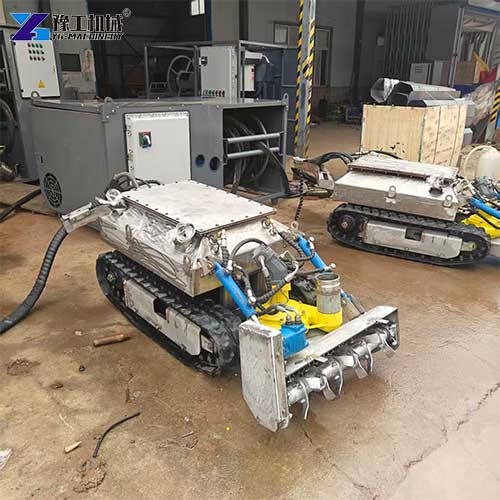
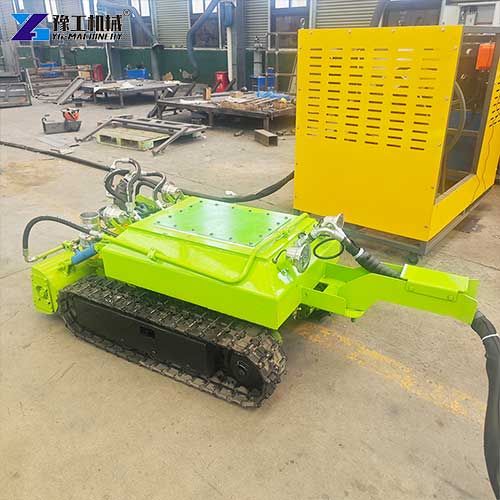
Aging stormwater systems, sediment-choked waterways, and tightening workplace safety rules have pushed drainage and environmental contractors worldwide to look for smarter desilting methods. Manual entry into pipes and culverts remains slow, costly, and dangerous, even with modern breathing apparatus and rescue standby teams. A remote control dredging robot addresses all three pain points at once by putting a compact tracked unit inside the pipe while the operator stays on the surface.
Demand for this type of equipment continues to grow across mature markets where labor costs run high and confined-space regulations are strictly enforced. Municipal service firms, environmental engineering companies, and industrial maintenance teams all want equipment that clears more material per shift, uses fewer on-site workers, and produces consistent, documentable results. An underwater pipeline dredging robot can enter spaces where workers cannot safely go, and it runs continuously for hours without fatigue or atmosphere-related work breaks.
Remote Control Dredging Robot Parameters
| Parameter | YG500 | YG600 | YG700 | YG800 | YG900 | YG1200 |
| Robot Dimensions (mm) | 1500*500*650 | 1500*600*650 | 1600*700*650 | 1600*850*700 | 1650*960*750 | 1900*1200*750 |
| Dredging Width (mm) | 500 | 600 | 700 | 800 | 900 | Suitable for large culverts |
| Travel Speed (m/s) | 3–15 | 3–15 | 3–15 | 3–15 | 3–15 | 0–17 m/min |
| Pump Diameter (inch) | 3 | 3 | 4 | 4 | 4 | 4or6 |
| Pump Flow (m³/h) | 100 | 100 | 160 | 160 | 200 | 250 |
| Pump Head (m) | 0–30 | 0–30 | 0–25 | 0–25 | 0–25 | 0–30 (Horizontal: 100–150m) |
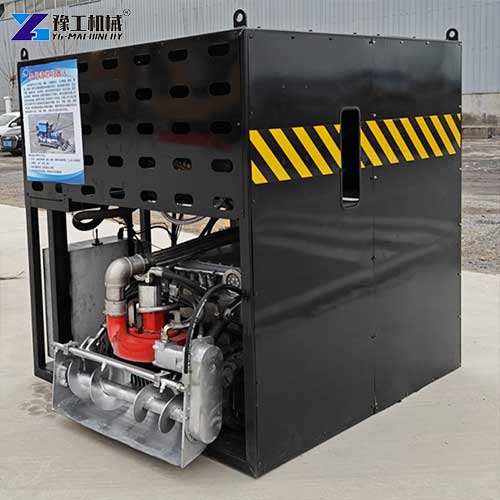
| Hydraulic Station Dimensions (mm) | 2200*1200*1700 | 2200*1200*1700 | 2200*1200*1700 | 2200*1200*1700 | 2200*1200*1700 | 2120*1240*1200 |
| Main Motor Power (kW) | 18 | 18 | 22 | 22 | 22 | 45KW (50KW) or Diesel 76KW (123KW) |
| Hydraulic System Pressure (Mpa) | 0–16 | 0–16 | 0–16 | 0–16 | 0–16 | Not specified |
| Particle Size (mm) | 15 | 15 | 40 | 40 | 50 | 0–40 (customizable) |
| Winch Speed (r/min) | 0–10 | 0–10 | 0–10 | 0–10 | 0–10 | 0–10 |
| Pipe Length (m) | 30–50 Optional | 30–50 Optional | 30–50 Optional | 30–50 Optional | 30–50 Optional | 30m/pack, 20kg pressure-resistant, optional |
| Control System | Wireless Remote | Wireless Remote | Wireless Remote | Wireless Remote | Wireless Remote | Wireless Remote |
| Lighting System | Underwater LED*2 | Underwater LED*2 | Underwater LED*2 | Underwater LED*2 | Underwater LED*2 | Underwater LED*2 |

Case 1: United States – Stormwater Culvert Maintenance
Customer Background
A private drainage contractor in the US Southeast provides municipal stormwater maintenance, sewer cleaning and catch basin services for suburban governments and property managers. The firm long used vacuum trucks and high-pressure water jetters before adding robotic dredging gear.
Customer Requirements
The contractor secured a seasonal contract to clean 12km of 600–800mm reinforced concrete storm culverts. Road grit, fallen leaves and construction sediment accumulated on pipe bottoms, cutting drainage capacity and increasing flood risks during summer heavy rains.
Their old workflow relied on vacuum trucks plus manual confined-space entry for compacted deposits. This approach was slow, incurred extra permit fees, and the trucks could not reach deep into long culverts. Missing multiple project deadlines after one wet season pushed them to source a remote control dredging robot that travels inside pipes and pumps sludge to surface dewatering equipment.
YG Solution
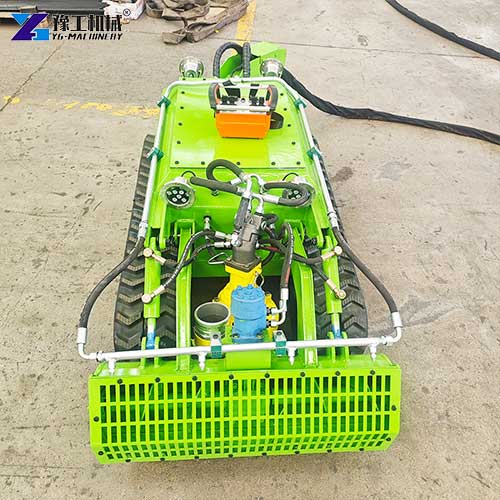
YG assessed pipe schematics and site access, then suggested the YG700 remote control dredging robot. Its 700mm dredging width matches most of the client’s culverts, and its 160m³/h pump output meets daily work targets. Crawler tracks navigate silty, uneven pipe surfaces, while wireless remote control lets operators work from service trucks. Standard delivery includes 50m hydraulic hose and 50m slurry discharge hose. Built-in dual underwater LED lamps and front cameras deliver clear views of sediment, pipe joints and blockages.
Customer Feedback
After one month of on-site operation, the operation manager reported obvious efficiency gains: A 280m, 750mm culvert section with medium silt and sand took only two 8-hour shifts to clean, versus five to six shifts using the original vacuum and manual entry method. Confined-space entry permits dropped by roughly 80%, freeing one reserve worker for other tasks.
The lead operator confirmed that the river sand dredging robot clears silt and small debris without clogging. Its wireless remote covers standard manhole intervals, and the tracked chassis delivers a stable grip in thick sediment. The only routine wear part replacement was extra track wear plates after 60 days of heavy-duty operation, which the client deemed standard maintenance.

Case 2: France – Urban Waterway Sediment Removal
Customer Background
A small western French environmental engineering firm focuses on riverbank restoration, stormwater pond maintenance and minor aquatic habitat upgrades for local governments and private landowners, with 3–4 field technicians per project.
Customer Requirements
The company secured a contract to clear sand and fine silt from a 1.2km slow urban waterway, 8–12m wide and 1–3m deep at normal water levels. As the waterway runs through residential zones and connects to a public leisure pond, local authorities mandated low-turbidity dredging. They needed a shallow-water river sand dredging robot that rests on the channel bed, agitates sediment locally and pumps sludge via sealed pipelines to avoid widespread sediment resuspension.
YG Solution
YG recommended the shallow-water YG600 remote control dredging robot. Its compact 1500×600mm body can be lowered into water via small bank cranes or manually on steep banks. With a 100m³/h pump suited for fine sand and silt and a 0–30m pump head, it flexibly transports slurry to shore dewatering bags.
This underwater pipeline dredging robot eliminates turbidity issues: its suction inlet directly draws sediment from the bed through closed hoses instead of stirring the whole water column. Operators adjust travel speed and jet pressure via underwater camera footage to limit sediment disturbance.
Customer Feedback
After clearing the first 400m channel segment, the project manager stated turbidity levels remained under permit limits, with no resident complaints about murky water—their old approach drew two complaints during the trial phase. The team cleared 60–80 meters of channel per 8-hour shift based on sediment depth, finishing three days ahead of schedule by the mid-project inspection. The tracked robot delivered outstanding maneuverability, smoothly bypassing submerged tree roots and concrete fragments without jamming and cutting downtime for manual shore assistance.
Robotic Dredge For Sale – YG Machinery
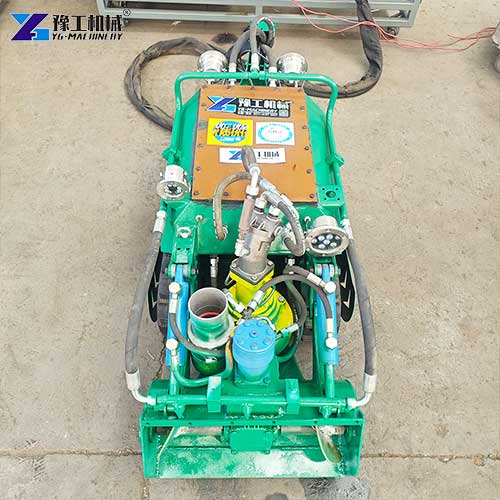
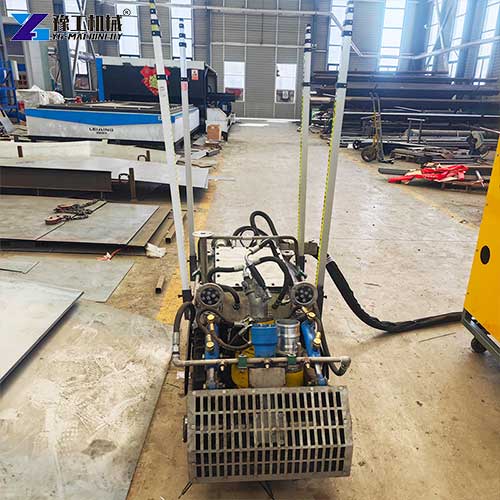
If you are sourcing a robotic dredge for sale for your next pipeline or waterway project, start by sharing your typical pipe sizes, sediment type, working depth, and target daily production. YG will recommend a specific model, confirm expected output ranges, and provide transparent pricing, including standard hose length and control package. For buyers focused on open-channel work, our remote control dredging robot configurations offer the same tracked chassis and closed-loop suction system optimized for shallow water and low-turbidity requirements.
Browse our full model lineup and technical specifications, then send your project details to the sales team for a tailored recommendation and delivery timeline.