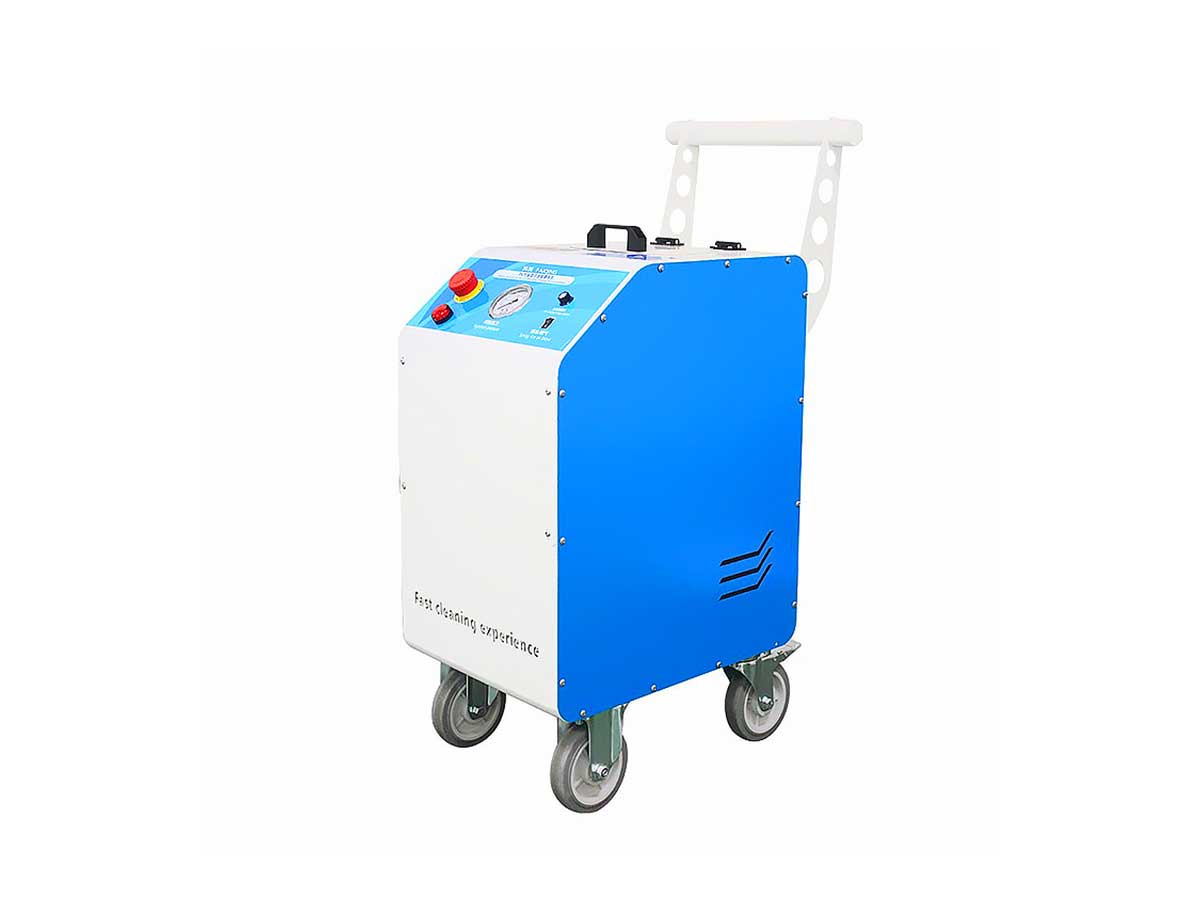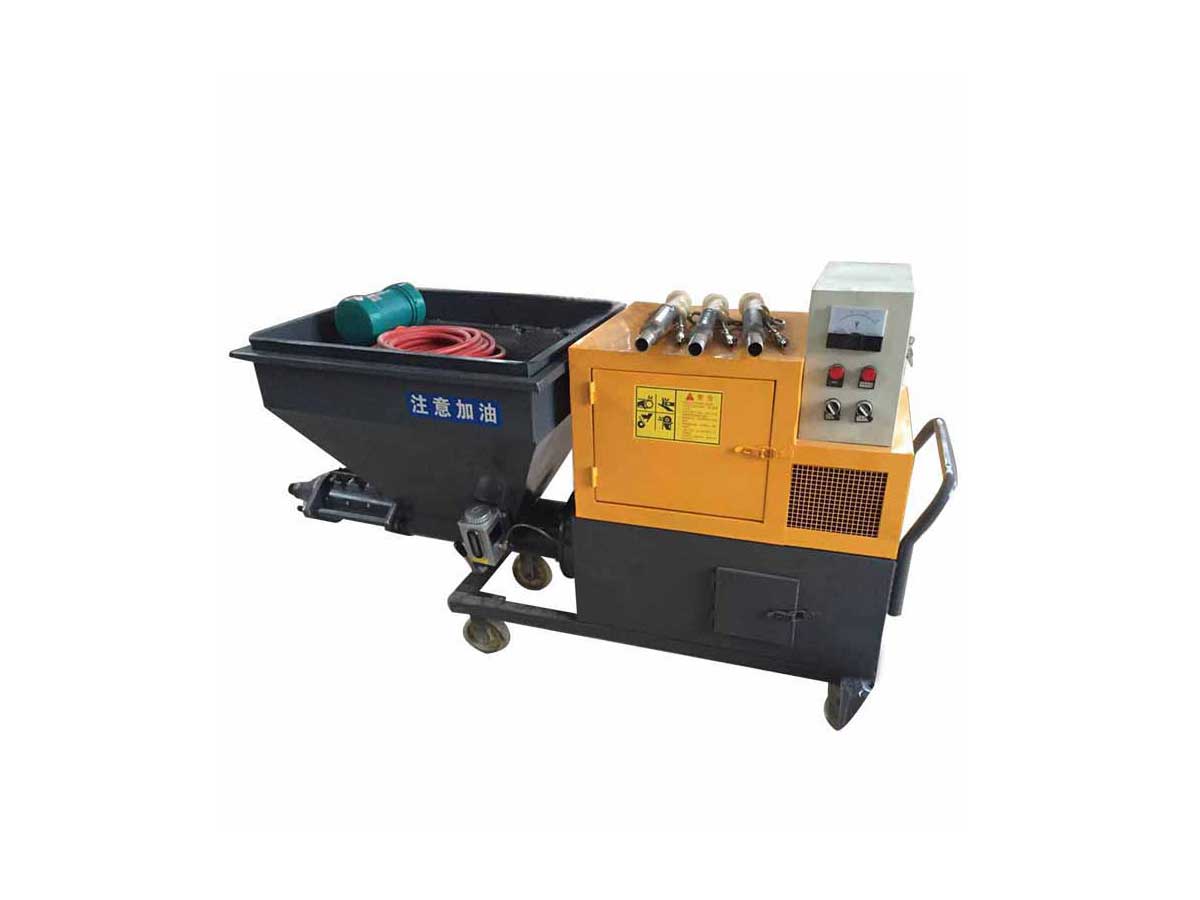


When a contractor searches for a wall rendering machine, they are usually looking for a way to eliminate the unpredictability of manual plastering. Inconsistent finishes, labor shortages, and slow progress are the enemies of profitability. YG Machinery engineered its lineup specifically to solve these issues. A wall rendering machine from our factory automates the entire process of applying cement mortar, gypsum, or lime-based renders to vertical substrates. Unlike hand application, which relies entirely on the skill of the plasterer, our system uses a guided rail, hydraulic pressure, and synchronized vibration to deliver a flawless finish. This shift from manual craftsmanship to mechanized precision is what defines modern construction efficiency.
For a fully automated workflow, pair this unit with our high-efficiency mortar spraying machine to seamlessly transition from rapid material delivery to a flawless, vibration-compacted finish.
Wall Rendering Machine Parameters:
| Model | YG-800 | YG-1000 |
| Plastering height | Below 4 meters | Below 5 meters |
| Weight | 270 kg | 290 kg |
| Plastering thickness | 2~30 mm | 2~30 mm |
| Power | 1.5 KW | 1.5 KW |
| Plastering efficiency | 500 CBM/8H | 550 CBM/8H |
| Voltage | 220 v/380 v optional | 220 v/380 v optional |
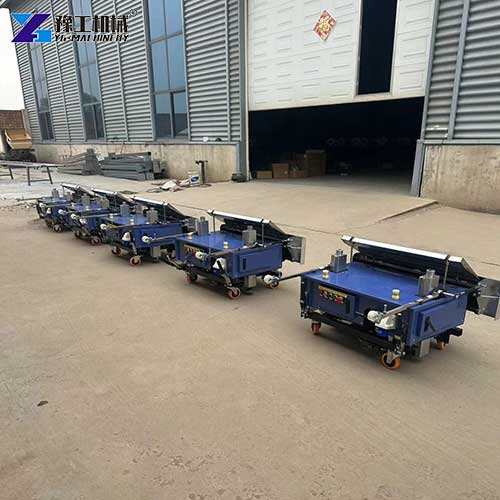

What Makes Wall Rendering Machine Different?
YG engineers the wall rendering machine range around real site conditions. The YG-1000, for example, covers 500–700 square meters in an 8-hour shift, runs on 1.5 kW power, and accepts 220 V or 380 V supplies. The plastering height reaches up to 4 m, the width can be 80 cm or 100 cm, and the thickness adjusts from 5 mm to 30 mm. These numbers matter because they tell a contractor whether the machine fits a villa project, a multi-story residential block, or a commercial interior.
An auto rendering machine from YG moves on its own, lifts automatically, and positions itself vertically within minutes. The operator only needs to feed mortar and monitor the control console. Two people can run a unit comfortably. Because the machine uses two vibrators for vibration plastering, the mortar bonds tightly to brick, concrete, or block walls, leaving a smooth finish with minimal repair work afterward.
What You Gain from a Wall Rendering Machine
Consistency. Manual plastering quality varies from worker to worker and hour to hour. Fatigue affects performance. Mood affects performance. Attention to detail affects performance. The machine delivers the same quality on the last wall of the day as on the first. The hollowing rate is less than 0.08% compared to 0.7%-1.2% for manual plastering.
Speed. One auto rendering machine covers 500-550 square meters in an 8-hour shift. A skilled manual plasterer covers 30-50 square meters per day. The machine is 10-15 times faster. For a 5,000 square meter project, the machine finishes in 10 shifts. Manual plasterers take 100-150 shifts.
Labor savings. One operator and one assistant run the machine. A manual plastering crew requires 5-8 skilled workers. The difference in labor costs is substantial. The machine pays for itself quickly through reduced payroll.
Safety. The machine works from the ground. No scaffolding, no ladders, no working at height. Falls from height are one of the most common causes of construction injuries. The machine eliminates this risk entirely.
Material savings. The machine applies mortar precisely and evenly. There is less waste from over-application, dropping, and rework. The consistent thickness means less material is needed to achieve the required finish.


Why Contractors Choose YG Auto Wall Plastering Machine
- A high-quality auto wall plastering machine solves problems that manual plastering cannot:
- Stable finish quality – the vibration and leveling system keep thickness uniform, so walls pass inspection without rework.
- Fast coverage – one YG unit sprays finish roughly four times faster than manual work, based on feedback from our Ghana client.
- Simple operation – two workers can handle feeding, moving, and monitoring without special certification.
- Material flexibility – cement mortar, gypsum, lime, and ready-mix all work in the same hopper.
- Durable frame – thick steel construction and wear-resistant nozzles stand up to daily site abuse.
When a contractor chooses an auto wall plastering machine, the decision is rarely about price alone. It is about predictability. YG machines turn plastering from a craft that depends on who is holding the trowel into a repeatable process that delivers the same result on every wall, every floor, and every project.
Matching the Automatic Cement Plaster Machine to Your Mortar
Not every mortar behaves the same. YG tests each machine with local mixes before shipment. The Ghana client, for instance, used local mortar types, and YG ran material mix tests to confirm the flow rate, adhesion, and finish quality.
Here is how the machine handles common materials:
- Cement mortar – the most demanding mix; the vibrators ensure deep bonding and prevent hollow spots.
- Gypsum plaster – flows smoothly and finishes with a bright, even surface.
- Lime mortar – requires slower feeding; operators simply adjust the flow control.
- Ready-mix mortar – works out of the box with zero recipe changes.
Because the automatic cement plaster machine supports voltages from 220 V to 380 V, it adapts to site power in different countries without additional transformers. That flexibility is critical for contractors who work across borders or import equipment to regions with unstable power standards.


Ready to Upgrade Your Plastering Workflow?
If you are evaluating a wall rendering machine for your next project, YG Machinery is ready to help. Tell us your wall height, total area, mortar type, and site power supply. We will match you with the right model, share the technical sheet, and give you a clear delivery plan. Our automatic cement plaster machine models are built to perform on real sites, not just in showrooms.
Send us your inquiry today. We reply within 24 hours with a tailored recommendation and a transparent quotation. Let YG’s wall rendering machine turn your plastering crew into a precision team that finishes faster, wastes less, and delivers walls that pass inspection the first time.