
Geological exploration, mineral prospecting and geotechnical engineering all depend on accurate subsurface data to make informed decisions. A core drilling rig is the most essential equipment for these applications, as it allows engineers and geologists to extract intact rock samples from deep underground for detailed analysis. Traditional drilling methods often produce fragmented samples that provide limited information about the actual geological structure. Modern coring technologies, however, can retrieve continuous, undisturbed rock cores that reveal critical details about rock composition, strength and mineral content. This guide will explain the most widely used coring techniques, their advantages and how to select the right equipment for your project.
What Is A Core Drilling Rig And Its Core Functions?
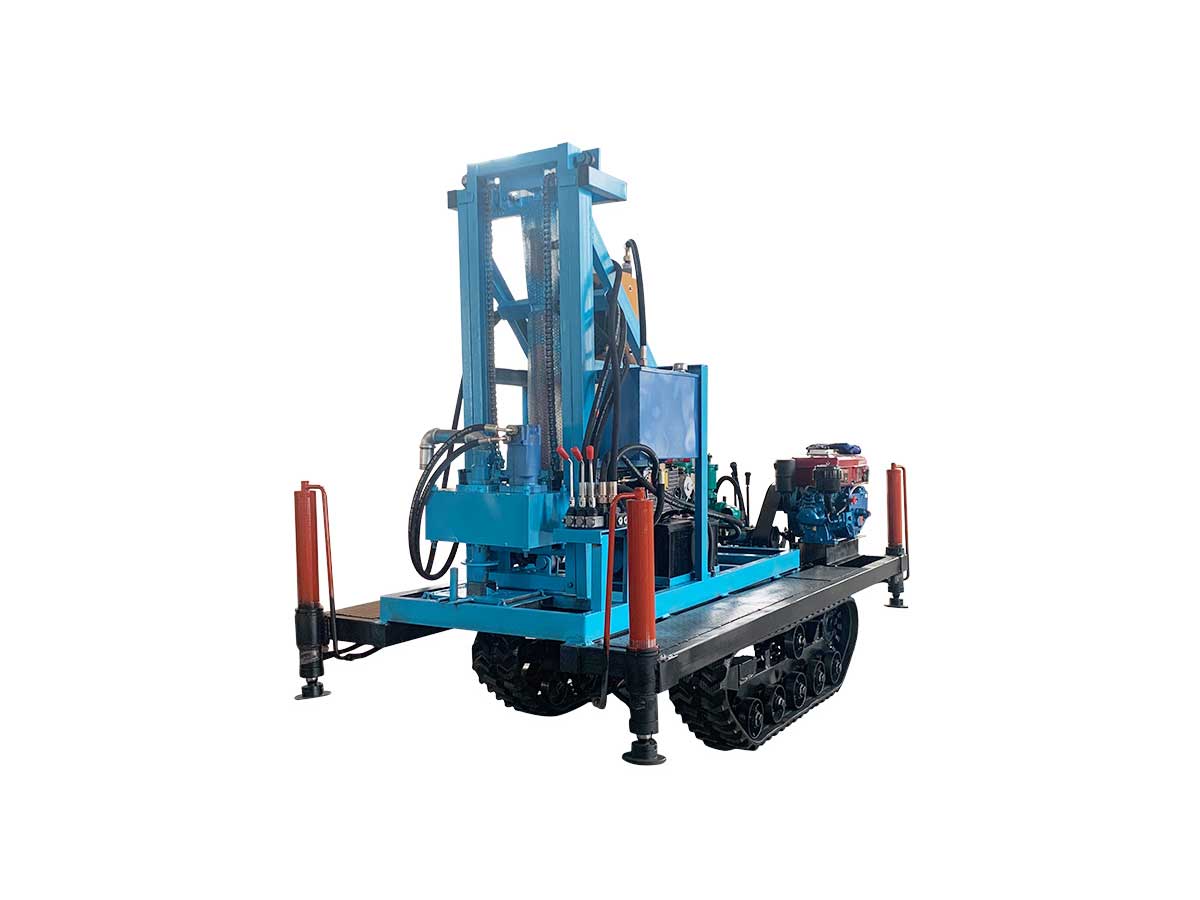
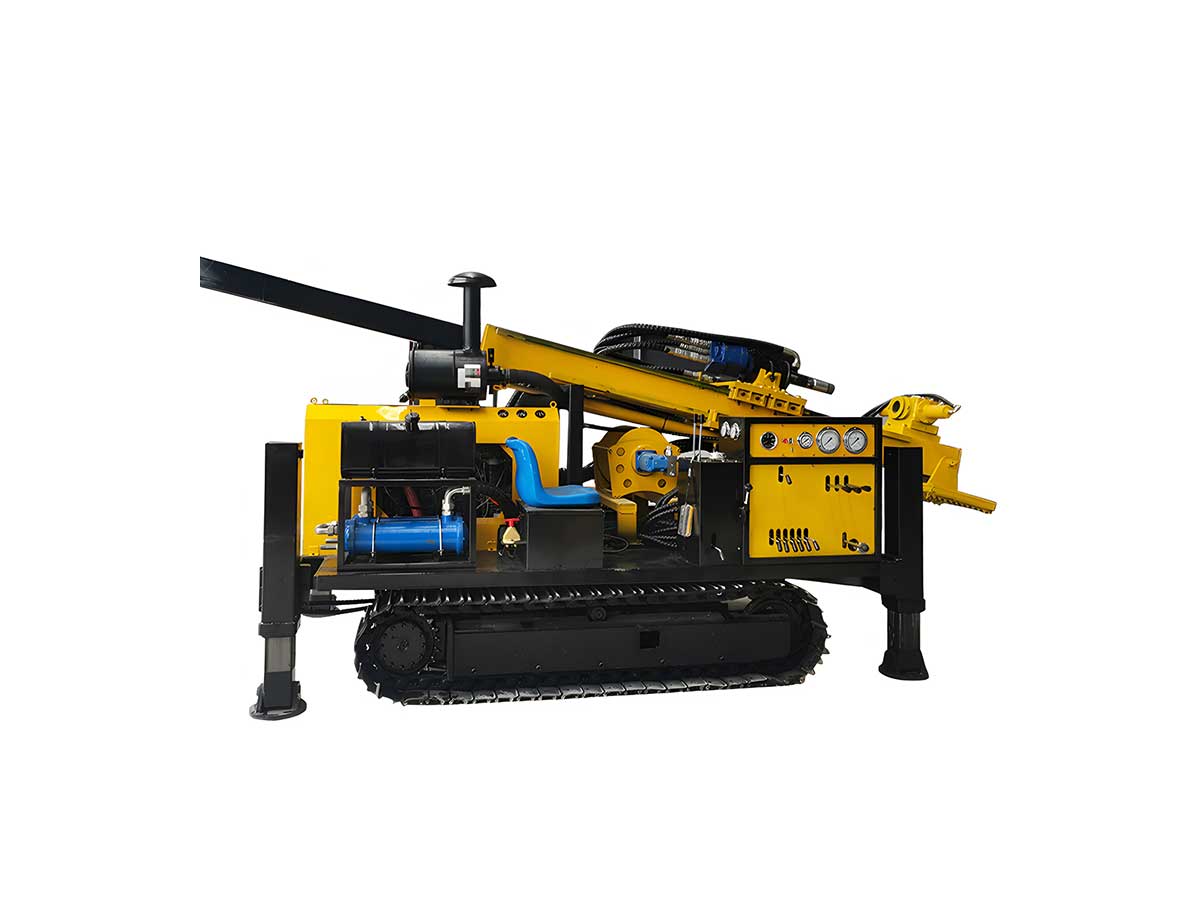
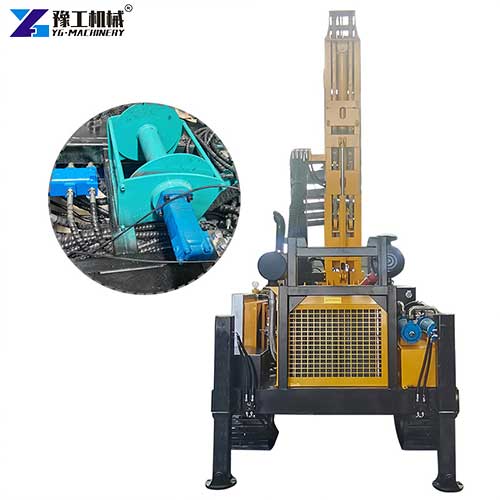
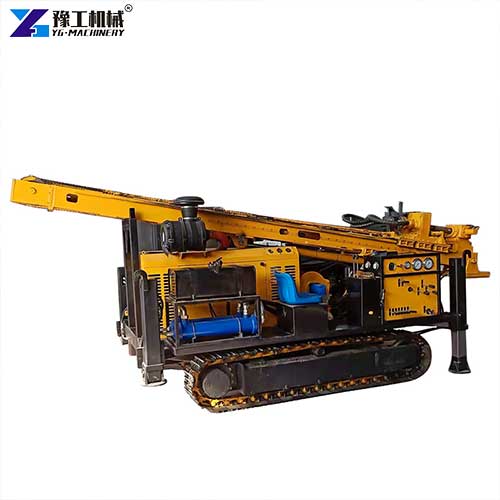
A core drilling rig is a specialized machine designed to drill cylindrical holes into the earth’s crust and extract intact rock samples (cores) for analysis. Unlike standard drilling rigs that only remove cuttings, core drilling rigs use hollow drill bits and core barrels to capture and retrieve solid rock cylinders. This rock core drilling equipment serves three primary functions in geological and construction projects:
- Geological mapping: Determine the structure and composition of subsurface rock formations
- Mineral exploration: Identify and evaluate mineral deposits by analyzing core samples
- Geotechnical investigation: Assess rock strength and stability for foundation design, dam construction and tunneling projects
Core Drilling Machine For Mining Parameter
| Model | YGX-400 | YGX-600 | YGX-800 | YGX-1000 |
| Drilling Depth(M) | 180-400-500 | 200-600-650 | 400-800-1000 | 500-1000-1100 |
| Rated pressure(MPA) | 21 | 21 | 25 | 28 |
| Rated Flow(L/min) | 168 | 192 | 260 | 300 |
| Heat Dissipation Mode | Air cooling+water cooling | |||
| Engine Brand | Yuchai | Yuchai | Yuchai | Cummins |
| Rated power/speed | 78kW/ 2400r/min | 92kW/ 2400r/min | 92kW/ 2400r/min | 154kW/2400r/min |
| Drilling Angle(°) | 0-90 | 45-90 | 45-90 | 45-90 |
| Lifting Force(T) | 12 | 16 | 24 | 30 |
| Feed Force(T) | 6 | 8 | 12 | 15 |
| Hydraulic Mud pump flow | 30-90(L/min) | 30-90(L/min) | 90-180(L/min) | 90-180(L/min) |
| Hydraulic Mud pump power | 4-7(MPA) | 4-7(MPA) | 4-7(MPA) | 4-7(MPA) |
| Dimension | 4000*1900*1800mm | 4000*2000*1800mm | 5500*2100*2000mm | 6000*2200*2400mm |
| Weight | 4.3T | 4.5/5.5T | 6.5T | 7.5T |
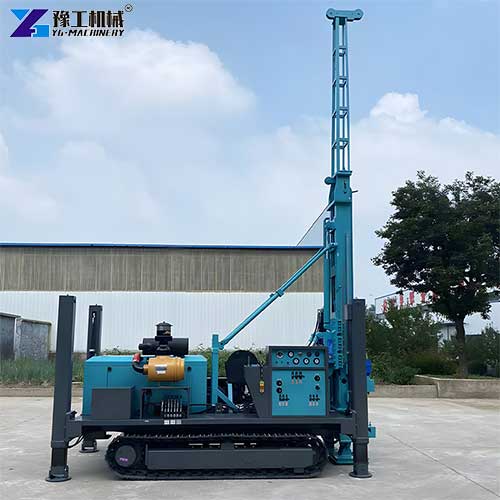
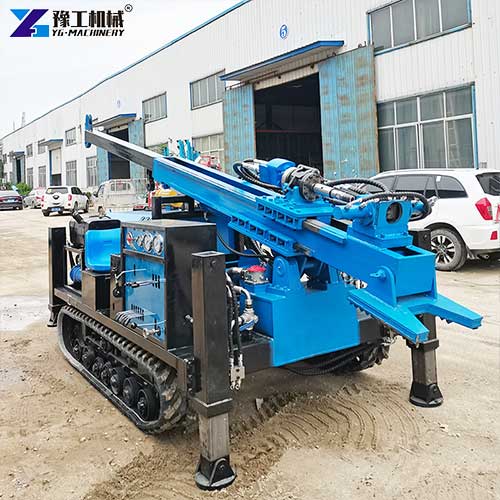
Thin-Wall Diamond Wireline Coring Technology
Thin-wall diamond wireline coring is the most advanced and widely used coring method in modern geological exploration. It has largely replaced conventional coring methods due to its superior efficiency, higher core recovery rates and better sample quality. This technology offers three key advantages that make it the preferred choice for professional drilling operations:
- Full, Rigid and Straight Drill String System: The wireline drill string features a “full, rigid and straight” design that provides excellent hole deviation control. The drill rods fit tightly together with minimal play, ensuring that the drill string remains straight even during deep drilling operations. This results in more accurate boreholes and reduces the risk of hole deviation, which can lead to costly rework and inaccurate geological data.
- Low Torque Thin-Wall Diamond Bits: Thin-wall diamond drill bits have a smaller cutting surface area compared to conventional bits, which significantly reduces torque resistance during drilling. This allows the rig to operate at higher rotational speeds with less power consumption, resulting in faster penetration rates and lower fuel costs. The diamond cutting edges also provide superior wear resistance, extending bit life and reducing downtime for bit changes.
- High Core Recovery and Operational Safety: Wireline coring systems retrieve core samples without lifting the entire drill string to the surface. Instead, a wireline tool is lowered through the drill string to retrieve the core barrel containing the rock sample. This not only saves time but also reduces the risk of core damage during retrieval. The system also minimizes the number of times the drill string is raised and lowered, reducing the risk of accidents and improving overall site safety.
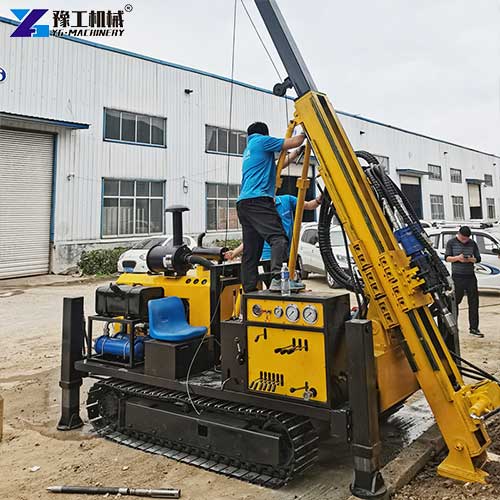
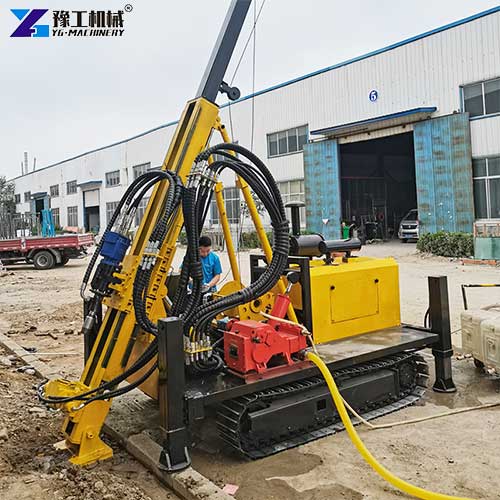
Common Wireline Coring Tool Specifications
| Specification | Drill Bit Outer Diameter(mm) | Core Diameter(mm) | Reamer Outer Diameter | Drill Pipe Outer Diameter |
| BTW | 60 | 42 | 60 | 56.3 |
| NTW | 75 | 56 | 75.8 | 75.3 |
| HTW | 95 | 71 | 96 | 91.5 |
| BQ | 59 | 36.4 | 60 | 55.6 |
| NQ | 75.7 | 47.6 | 75.8 | 69.9 |
| HQ | 96 | 63.6 | 96 | 88.9 |
Coring Strategies for Different Geological Conditions
The success of any coring operation depends largely on matching the coring method and parameters to the specific geological conditions. Different rock types require different drilling techniques to achieve optimal core recovery and drilling efficiency. Here are practical coring strategies for the most common geological conditions:
Soft Sedimentary Rocks (Shale, Sandstone, Limestone)
- Use low to medium rotational speeds (300-600 RPM)
- Apply moderate feed pressure to avoid core crushing
- Use a high-viscosity drilling mud to stabilize the borehole and prevent core washout
- Select BTW or NTW size tools for optimal core recovery
Medium-Hard Rocks (Granite, Basalt, Gneiss)
- Use medium to high rotational speeds (600-1000 RPM)
- Apply higher feed pressure to maintain penetration
- Use a medium-viscosity drilling mud with good cooling properties
- Select NQ or HQ size tools for a balance between core size and drilling efficiency
Hard and Abrasive Rocks (Quartzite, Chert, Iron Ore)
- Use low to medium rotational speeds (200-500 RPM) to reduce bit wear
- Apply high, steady feed pressure
- Use a high-quality diamond bit with a hard matrix
- Increase mud flow rate to improve cooling and cuttings removal
Fractured and Broken Zones
- Use a core barrel with an inner tube that extends slightly beyond the bit
- Reduce rotational speed and feed pressure to minimize core disturbance
- Use a polymer-based drilling mud to stabilize the fractured rock
- Take shorter core runs (1-1.5 meters) to improve core recovery
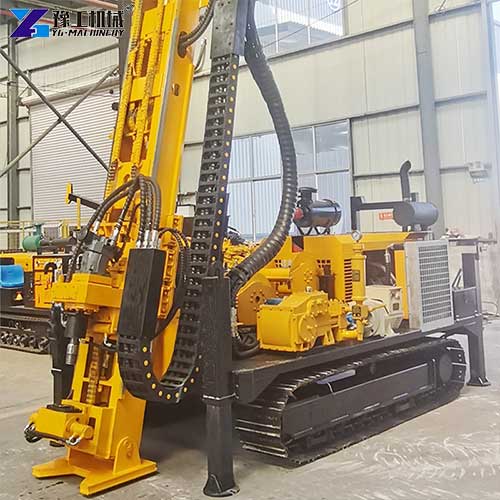
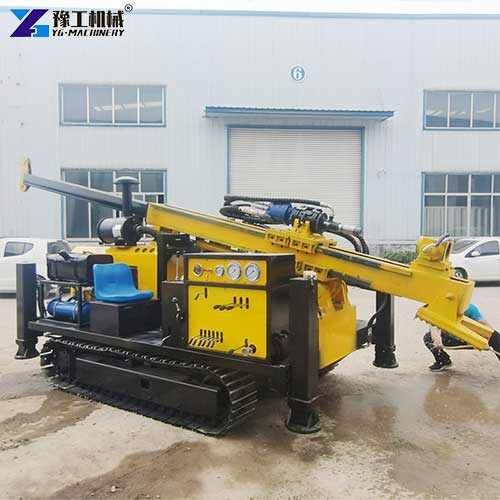
Core Drilling Machine For Sale
Understanding different core drilling machine for mining and coring methods is essential for anyone involved in geological exploration, mining or construction. The right coring technique can significantly improve project efficiency, reduce costs and provide more accurate geological data. A high-quality core drilling rig equipped with advanced wireline coring technology is the foundation of any successful drilling operation. It allows you to extract intact, undisturbed core samples from deep underground, providing the critical information needed to make informed project decisions.
If you are looking for a reliable core drilling machine for sale, we provide detailed technical specifications and customized solutions for all our core drilling rig to ensure they meet your specific project needs. Contact our team today to learn more about our rock core drilling equipment and how it can help you achieve better results from your drilling operations.