
Rock drilling is a fundamental process in construction, mining and quarrying operations worldwide. Choosing the right drilling equipment directly impacts project efficiency, operational costs and overall profitability. A DTH boring machine (down-the-hole boring machine) has become the industry standard for medium-depth rock drilling due to its high penetration rate and reliable performance in various rock conditions.
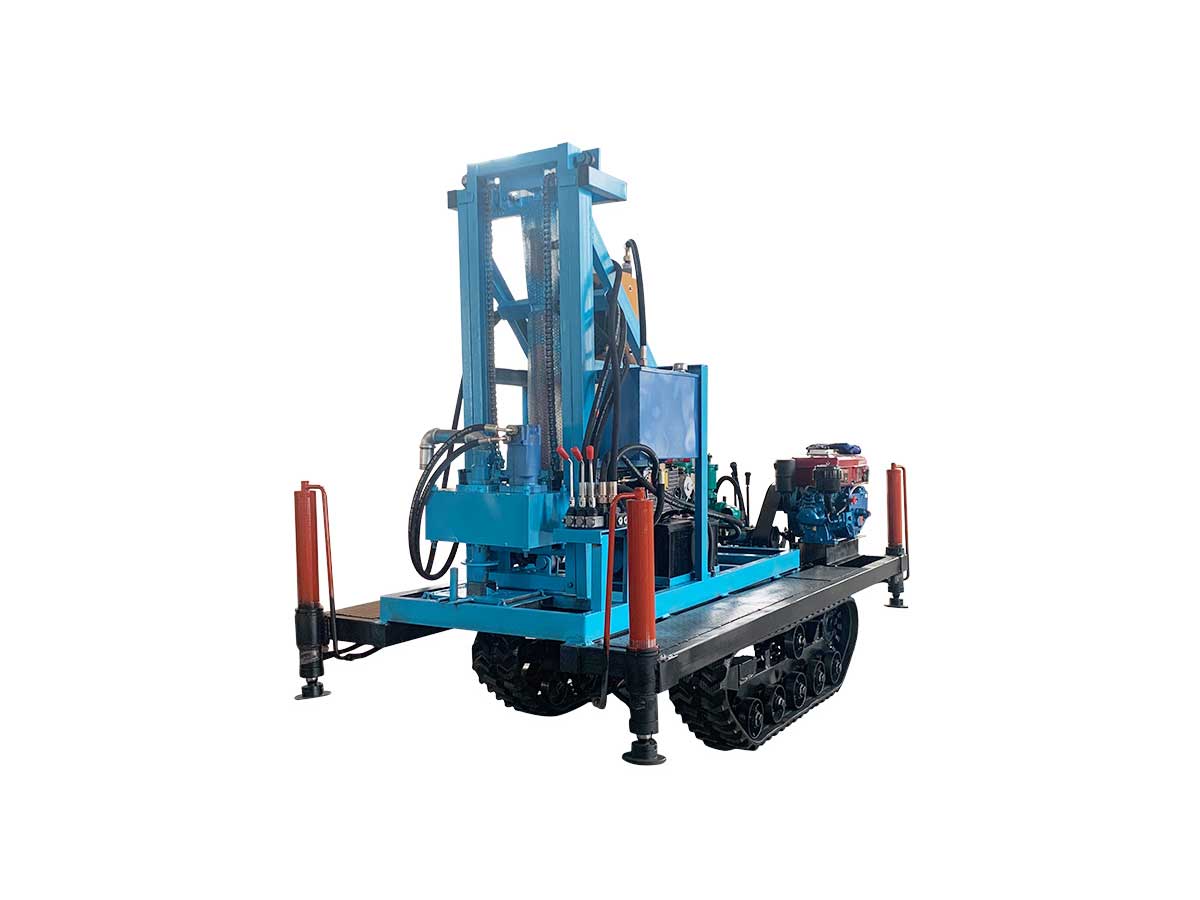
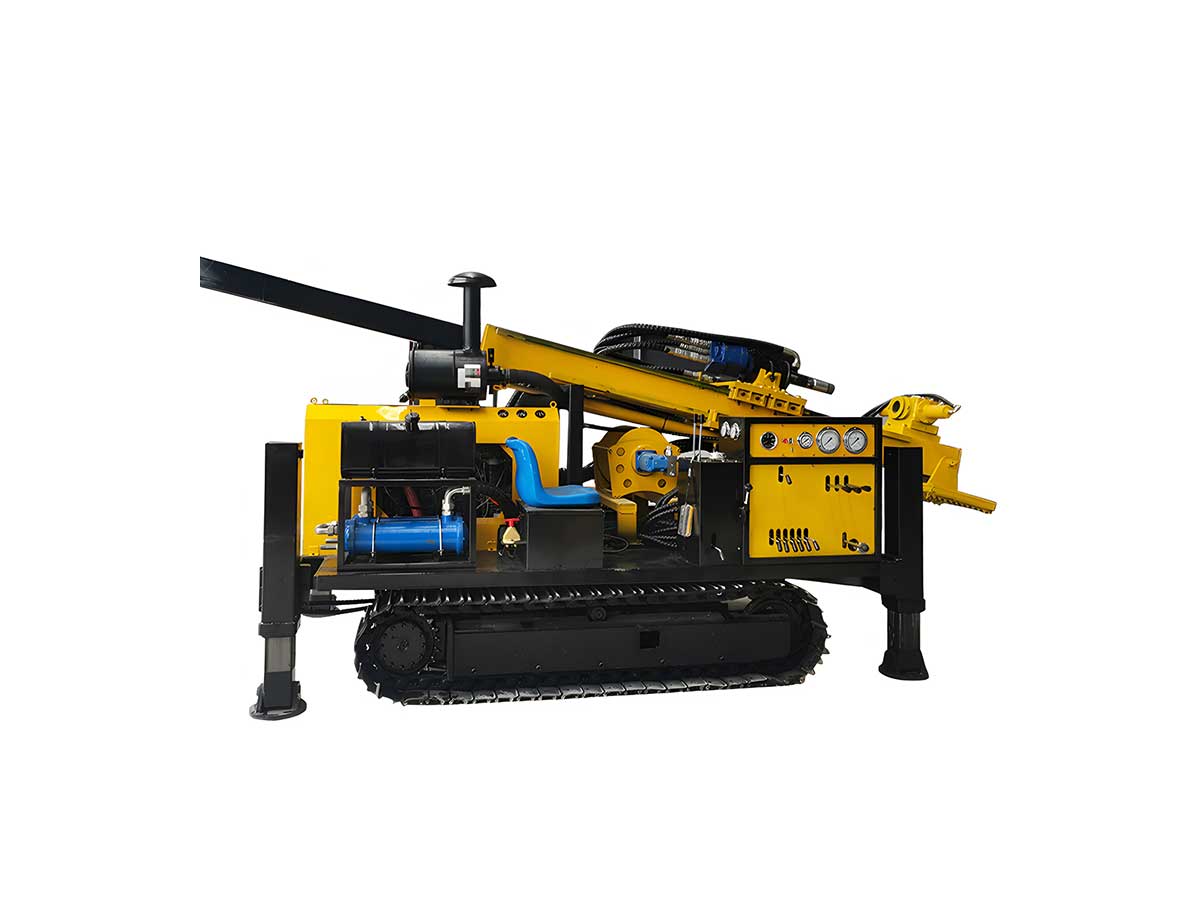
When selecting a dth boring machine, one of the most critical decisions is choosing between electric and pneumatic power sources. Both types have distinct advantages and are better suited for different project environments. This guide provides an objective comparison of electric and pneumatic DTH drills, based on our complete product lineup, including SKD70, SKQ70, SKD100, and SKQ100 models, to help you make an informed decision for your specific needs. In addition, YG also offers a variety of tracked down-the-hole drilling rigs.
DTH Rig Machine Technical Parameter
| Product model | SKD70 | SKQ70 | SKD100 | SKQ100 | |
| Hole diameter | 50-90mm | 50-90mm | 90-130mm | 90-130mm | |
| Applicable to rock hardness | F6-20 | F6-20 | F6-20 | F6-20 | |
| Hole depth | < 15m | < 15m | <25m | <25m | |
| Rotation speed | 110 r/min | 110 r/min | 110 r/min | 110-160 r/min | |
| working pressure | 0.5-0.7 MPa | 0.5-0.7 MPa | 0.5-1.0Mpa | 0.5-1.0Mpa | |
| Gas consumption | 4m³/min | 10m³/min | 6m³/min | 12m³/min | |
| Promote the cylinder | cylinder diameter | 90mm | 90mm | 140mm | 140mm |
| Advance stroke | 1070mm | 1070mm | 1070mm | 1070mm | |
| Maximum propulsion | 3600N | 3600N | 9600N | 9600N | |
| Electric motor/pneumatic motor | Model/model | Y2-4E | TMY3 blade pneumatic motor | Y112M-4-B5 | TMY4 blade pneumatic motor |
| power | 3kW | 3kW | 4kW | 4.4kW | |
| voltage | 380V | / | 380V | / | |
| Rated speed | 1430 r/min | 3500 r/min | 1440 r/min | 3200 r/min | |
| Drill pipe | Drill pipe outer diameter | 42mm | 42mm | 50-60mm | 50-60mm |
| Drill pipe length | 1025mm | 1025mm | 1025mm | 1025mm | |
| Machine weight | 295kg | 298kg | 415kg | 398kg | |
| External dimensions | 1740×260×420mm | 1740×260×420mm | 2230×380×550mm | 2230×380×550mm | |
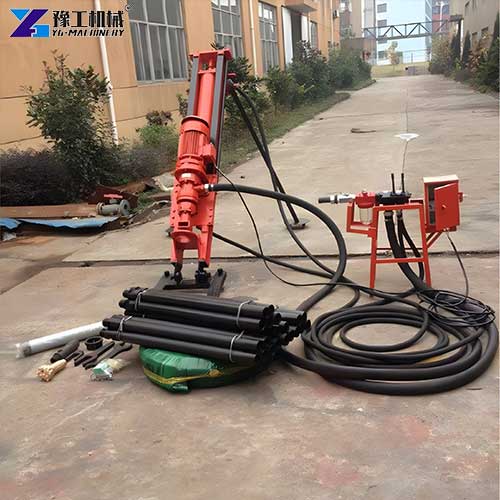
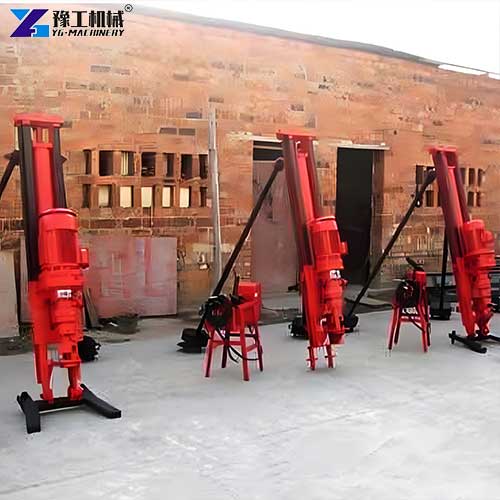
What Is A DTH Boring Machine And Its Core Applications
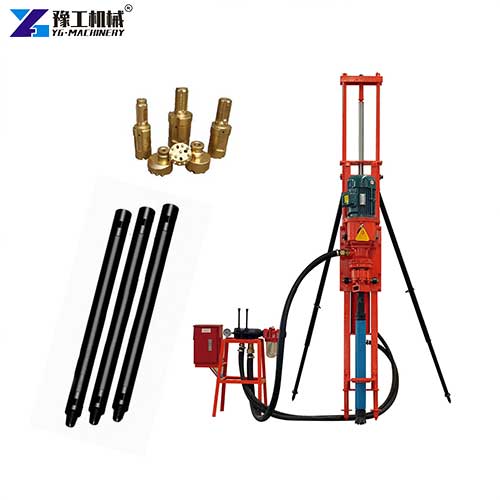
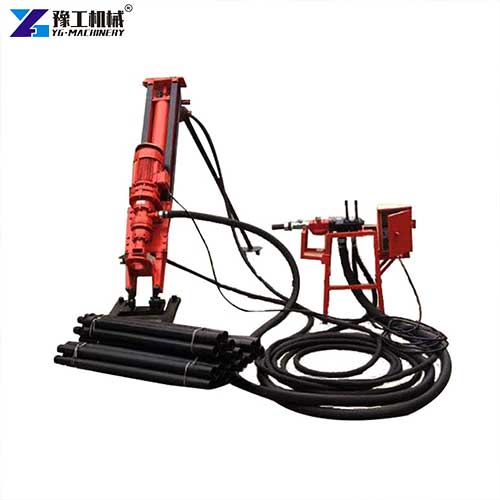
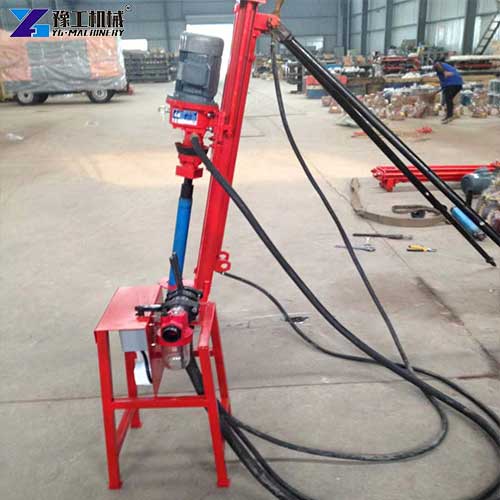
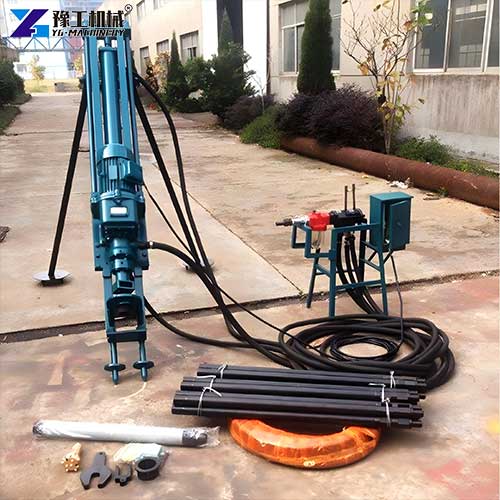
A dth boring machine, commonly known as a portable or tripod drilling machine, is a type of drilling equipment that uses a combined power system to break rock efficiently. It features a down-the-hole design where the hammer is located directly behind the drill bit, eliminating energy loss through the drill string and delivering superior performance compared to conventional top-hammer drilling methods.
These machines are divided into two main categories based on their power system:
- Electro-pneumatic (electric) DTH drills: Require both an air compressor and a 380V power supply
- Full pneumatic DTH drills: Operate entirely on compressed air, with no electricity needed
Our down-the-hole drilling machine series includes five standard models covering all common drilling requirements. All models are designed for reliable performance in rock formations with hardness ranging from F6 to F20, making them suitable for a wide range of applications:
- Blasting hole drilling in small and medium-sized mines and quarries
- Road construction and railway building projects
- Water conservancy and national defense engineering works
- Slope stabilization and anchor cable drilling
- Earth and rock engineering projects
- Open-pit mine preliminary development
- Operations in uneven and rugged terrain where larger drill rigs cannot access
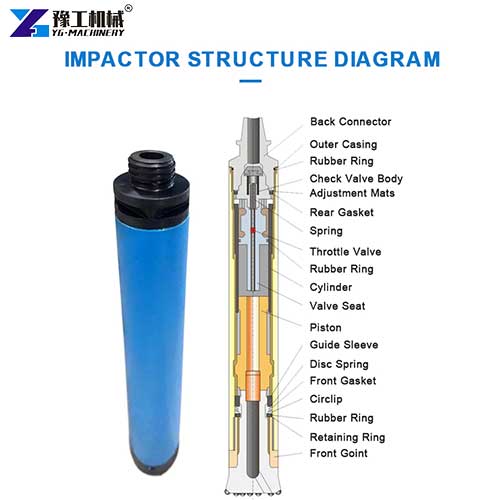
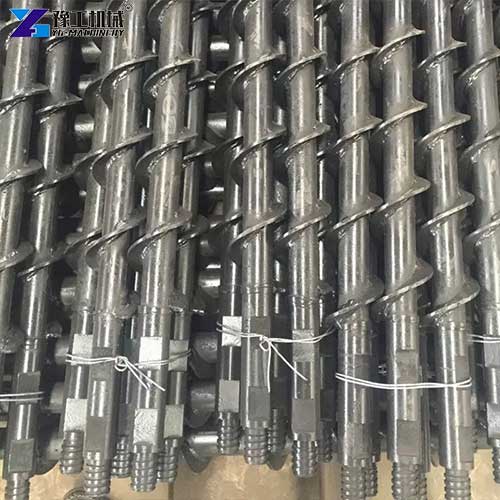
Electric DTH Boring Machine: Features And Benefits
Electric DTH drills use an electric motor to power the rotation and feed mechanisms, while the hammer operates on compressed air. They offer several advantages that make them ideal for certain types of projects. Our electric models are engineered for efficiency and ease of use in environments with a stable power supply.
- Low operating cost: Electric motors have significantly lower energy costs compared to diesel-powered air compressors required for full pneumatic drills. For continuous operation, this can result in substantial savings over the life of the equipment.
- Quiet operation: Electric motors produce much less noise than diesel compressors, making electric drills suitable for urban construction sites and residential areas where noise regulations apply.
- Simple maintenance: Electric systems have fewer moving parts than diesel engines, reducing maintenance requirements and downtime.
- Precise control: Electric motors provide smooth and consistent power delivery, allowing for better control of drilling parameters.
- Compact and portable design: All our electric models feature a modular structure that can be easily disassembled for transportation, making them perfect for remote sites with limited access.
Our electric lineup includes two primary models to match different project scales. The SKD70 is our compact entry-level option, drilling 50-90mm diameter holes up to 15 meters deep with a 3kW electric motor. For larger projects requiring deeper penetration, the SKD100 offers increased power with a 4kW motor, drilling 90-130mm diameter holes up to 25 meters deep and delivering a maximum propulsion force of 9600N. Both models maintain excellent portability, with weights ranging from 295kg to 415kg and dimensions that allow easy maneuvering on site.
Pneumatic DTH Boring Machine: Features And Benefits
Pneumatic DTH drills use compressed air to power both the hammer and the rotation mechanism. They are known for their robust construction and high performance in challenging conditions. Our pneumatic models are designed for maximum reliability in remote locations and harsh working environments.
- No electricity required: Pneumatic drills operate entirely on compressed air, making them ideal for remote sites without access to grid power.
- High power-to-weight ratio: Pneumatic motors deliver high torque and power relative to their weight, providing excellent drilling performance in hard rock formations.
- Simple and durable design: Pneumatic systems are less susceptible to damage from dust, moisture and vibration, making them suitable for heavy-duty applications.
- Safe operation: Pneumatic drills do not produce sparks, making them safer for use in potentially explosive environments.
- Easy disassembly and transport: Like our electric models, all pneumatic drills feature a modular design that allows for quick disassembly and easy transportation to difficult-to-reach sites.
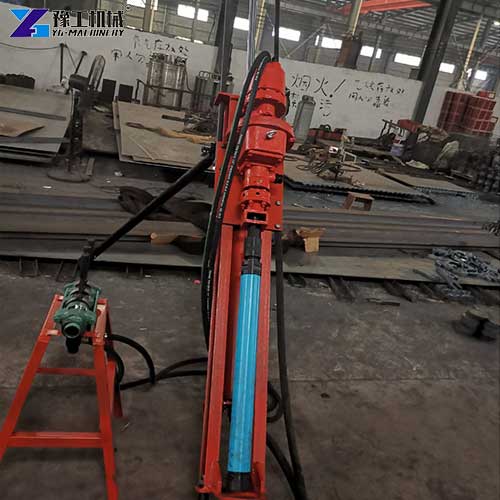
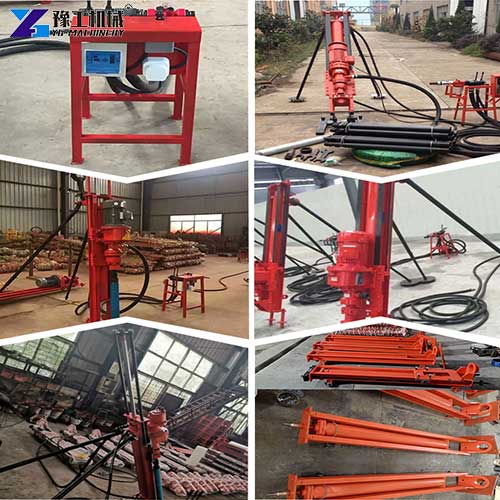
Our pneumatic series mirrors the electric lineup in drilling capabilities but offers unique advantages for off-grid operations. The SKQ70 matches the SKD70’s 50-90mm hole diameter and 15-meter depth capacity, using a 3kW blade pneumatic motor. The SKQ100 provides enhanced performance with a 4.4kW motor and variable rotation speed of 110-160 r/min, making it particularly effective in softer rock formations. Both pneumatic models maintain similar weights and dimensions to their electric counterparts, ensuring consistent portability across our entire product range.
How To Choose The Right DTH Rig Machine For Your Project?
The choice between an electric and pneumatic down-the-hole drilling machine depends on several factors specific to your project. Consider the following criteria to determine which type is best for your needs:
1. Power Availability
The most important factor is the availability of power at your project site:
- Choose electric if you have access to a stable 380V power supply. Electric drills offer lower operating costs and quieter operation.
- Choose pneumatic if your site is remote and does not have access to grid power. Pneumatic drills can operate anywhere with a portable air compressor.
2. Project Location And Terrain
Consider the environmental conditions and terrain at your project site:
- Choose electric for urban construction sites, residential areas and locations with strict noise regulations. Electric drills produce significantly less noise and exhaust emissions.
- Choose pneumatic for remote locations, mining sites and areas with harsh environmental conditions. Pneumatic drills are more durable and less susceptible to damage from dust and moisture.
- Both types work equally well in uneven and rugged terrain that larger drill rigs cannot access, thanks to their compact and portable design.
3. Drilling Requirements
Evaluate your specific drilling needs:
- Choose electric for small to medium-sized projects with drilling depths up to 25 meters. Electric drills are easier to operate and maintain for less experienced crews.
- Choose pneumatic for large-scale projects requiring continuous heavy-duty drilling. Pneumatic drills deliver more consistent power under load and can handle longer operating hours.
4. Budget Considerations
Consider both your initial budget, including the DTH machine price, and long-term operational costs:
- Choose electric if you have a limited initial budget and plan to use the drill frequently, as the lower operating costs will offset the dth machine price investment over time.
- Choose pneumatic if you only need the drill for short-term projects or already have an existing air compressor. This can reduce your initial equipment expenditure.