
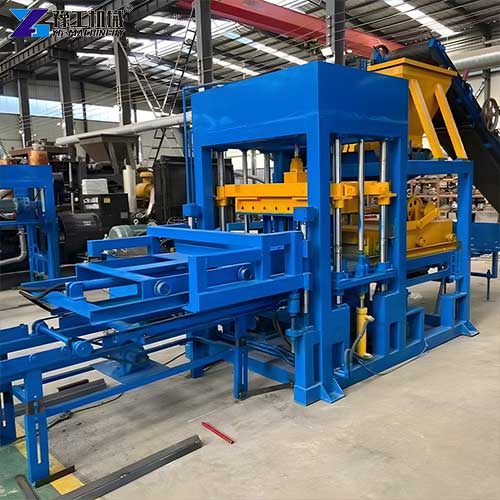
An automatic cement brick making machine transforms raw materials like cement, sand, aggregate and even industrial waste into high-quality building blocks for residential, commercial and infrastructure projects. This equipment eliminates the inefficiency and inconsistency of manual brick making, cutting labor costs by up to 60% while increasing production output exponentially. For small construction businesses and independent block manufacturers, it represents a critical investment that directly improves profitability and scalability.
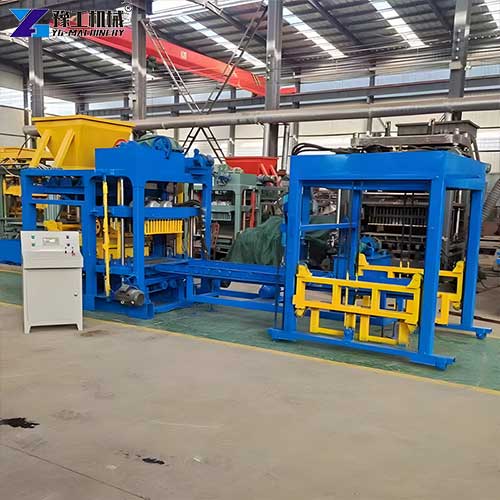
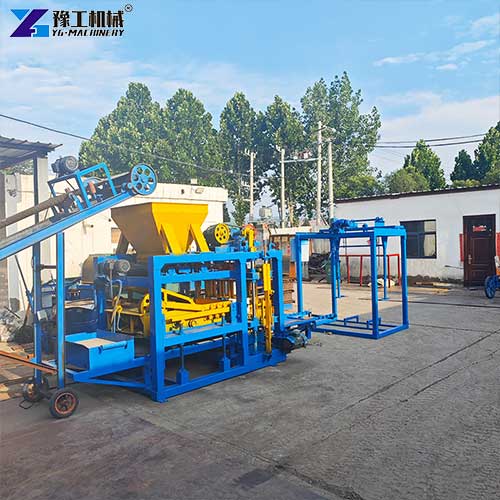
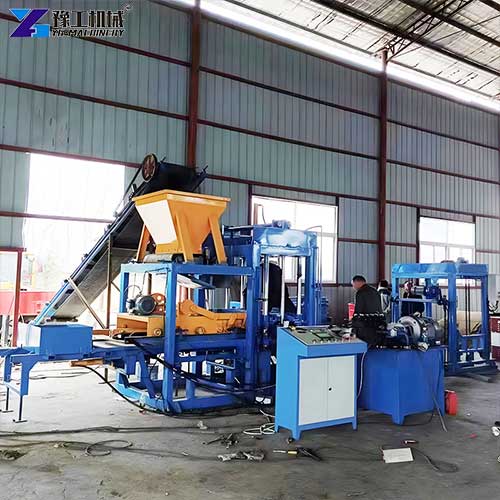
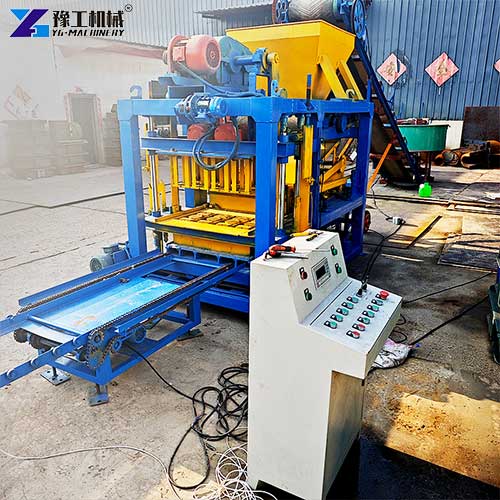
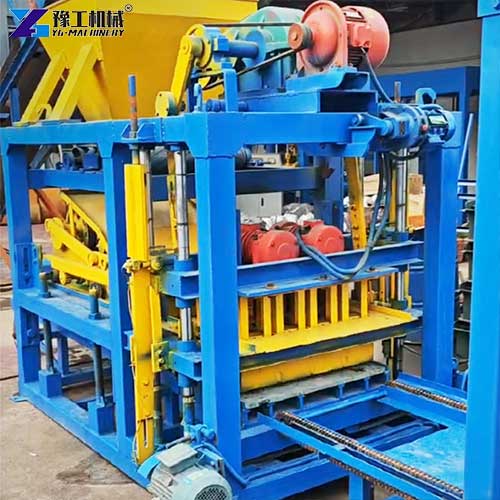
This model uses advanced hydraulic vibration forming technology to produce dense, strong bricks that meet international building standards. The complete production solution includes the main brick press, pallet feeder, brick discharger, hydraulic power station, computer control cabinet, material distributor, concrete mixer, conveyor belt and stacker. Custom mold options are available to produce bricks of different sizes, shapes and patterns according to specific project requirements.
Parameters of the Automatic Cement Brick Making Machine
| Model | YG-QT4-15 |
| Power | 27.2KW |
| Molding cycle(second) | 15S |
| Capacity | 4-7 bricks each mold/time |
| Daily output | 8000-10000pcs |
| Forming method | Hydrauliquement |
| Pression nominale | 16Mpa |
| Transmission mode | Vibration transmission |
| Dimension(mm) | 5900*2200*2400 |
| weight | 2100KG |
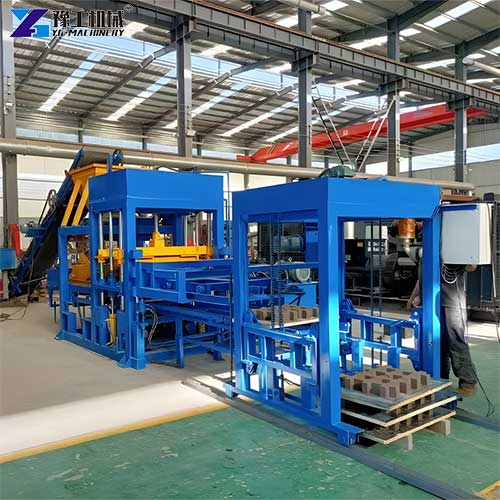
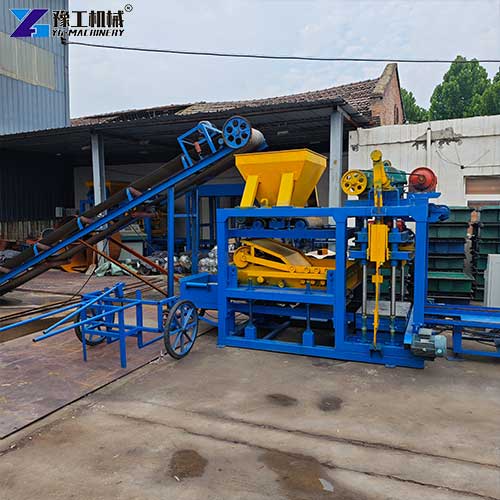
Automatic Cement Brick Making Machine Production Line Configuration
Unlike basic small brick-making machine units that only include the main pressing mechanism, an integrated production line provides everything needed for end-to-end brick manufacturing. This turnkey approach eliminates the hassle of sourcing individual components and ensures all parts work together seamlessly to maximize efficiency. The full production line consists of nine interconnected components:
- Main brick-making machine: The core unit that performs the pressing and forming operation
- Pallet feeder: Automatically feeds empty pallets into the machine without manual intervention
- Brick discharger: Transfers freshly formed bricks onto the conveyor gently to prevent damage
- Hydraulic power station: Provides consistent pressure for all hydraulic operations
- Computer control cabinet: Features a user-friendly interface for easy operation and parameter adjustment
- Material distributor: Evenly distributes raw material into the mold cavities for uniform brick density
- Concrete mixer: Prepares a homogeneous concrete mixture that directly impacts brick quality
- Conveyor belt: Transports raw materials and finished bricks between stations efficiently
- Stacker: Automatically stacks finished bricks for curing and transportation, reducing manual labor
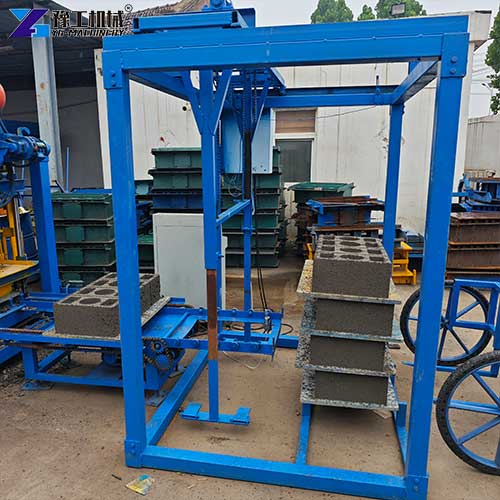
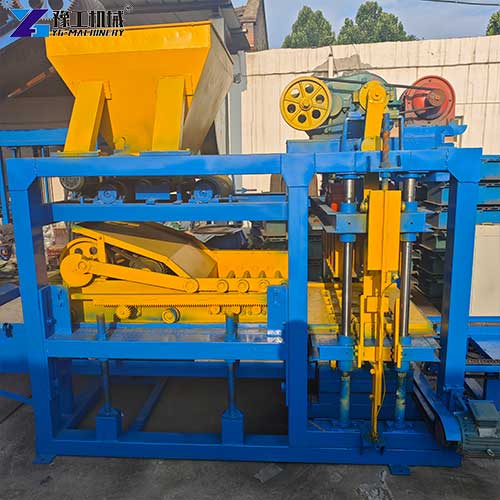
How Automatic Cement Brick Making Machine Works: Step-by-Step
This concrete brick-making machine operates through a synchronized mechanical and hydraulic system that ensures smooth, continuous production. The entire process runs automatically once you set the parameters on the control cabinet, minimizing human error and ensuring consistent quality across every batch.
- The main motor drives the reducer through a belt pulley, transmitting power to the pinion shaft
- The pinion rotates the main gear, which turns the main shaft at a controlled speed
- A crank-link mechanism converts the main shaft’s circular motion into precise vertical linear motion of the crossbeam
- The crossbeam’s movement drives the material cart back and forth, completing material feeding and brick pushing simultaneously
- When the crossbeam rises, the main shaft cam pushes the lower pressure head to eject the formed bricks from the mold cavity
- The material cart moves forward simultaneously, pushing the ejected bricks to the collection platform and feeding new material into the mold cavity
- The cycle repeats continuously: feeding → pressing → ejecting → pushing → feeding
- This continuous 15-second cycle ensures the machine operates at peak efficiency throughout the day, producing consistent quality bricks with minimal operator intervention.
5 Cost-Saving Benefits of Automated Brick Production
Switching from manual to automated production with a concrete brick-making machine delivers significant long-term cost savings that directly improve your bottom line. These benefits make the initial investment well worth it for most small to medium-sized operations.
- Reduced labor costs: Automated production requires 70% fewer workers than manual brick making. You no longer need a large team for mixing, molding and stacking, cutting your largest ongoing expense.
- Lower material waste: Precise material distribution and consistent compaction reduce waste by up to 15%. The computer-controlled system ensures exactly the right amount of material goes into each mold cavity.
- Higher production efficiency: The 15-second molding cycle allows for 8000-12000 bricks per day, compared to just 500-800 bricks per worker with manual methods. This means you can complete larger orders in less time.
- Lower energy consumption: Modern hydraulic systems are designed for energy efficiency, using up to 30% less power than older models. The synchronized operation also eliminates unnecessary energy waste.
- Longer equipment lifespan: Automated machines are built with heavy-duty components that require less frequent replacement. Proper maintenance can extend the machine’s lifespan to 10-15 years or more.
Clay Brick Making Machine For Sale
Investing in a high-quality automatic cement brick-making machine is one of the best decisions you can make for your construction business. Our equipment is built to last and delivers consistent performance day after day. If you are looking for a reliable clay brick making machine for sale that combines high output, low maintenance and excellent build quality, we have the perfect solution for you. Contact us today to get a free quote for our small brick-making machine and discuss your specific production requirements.