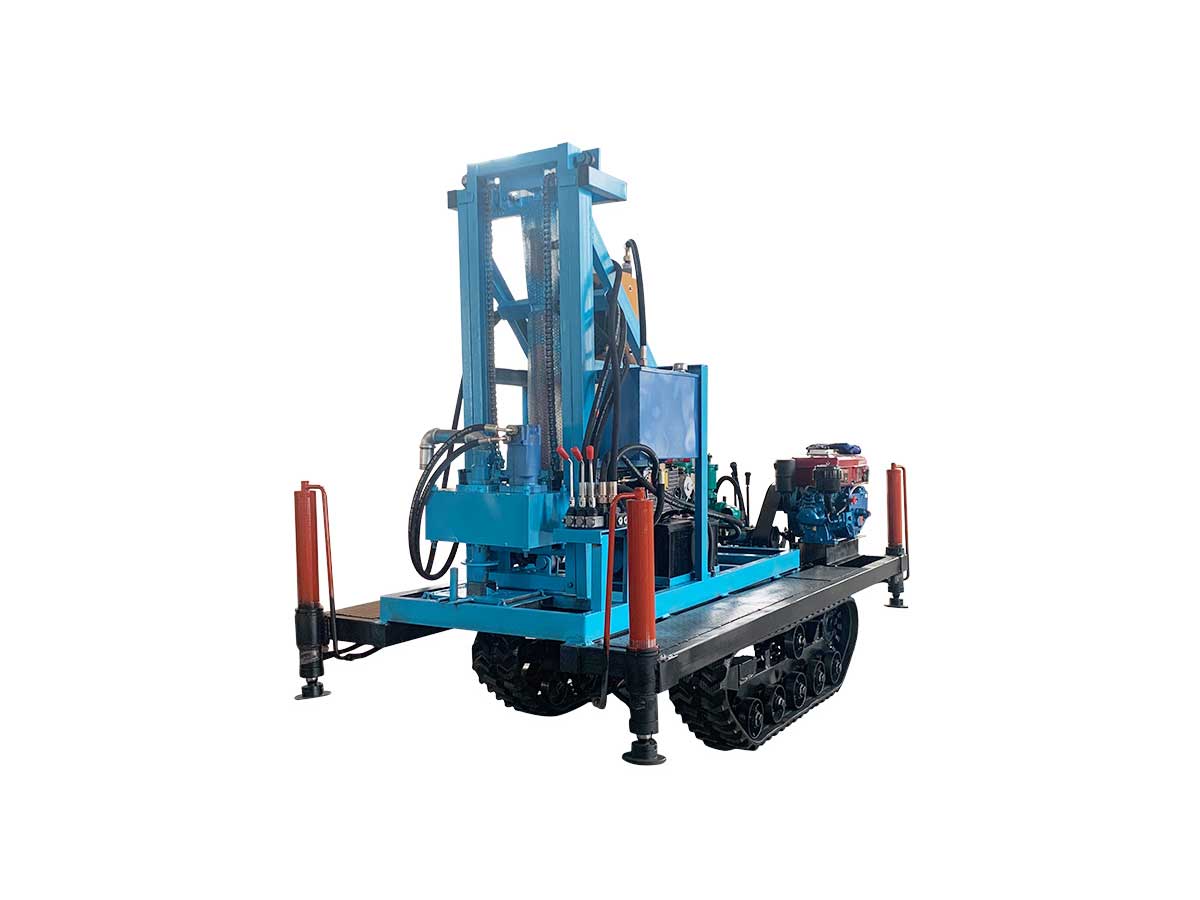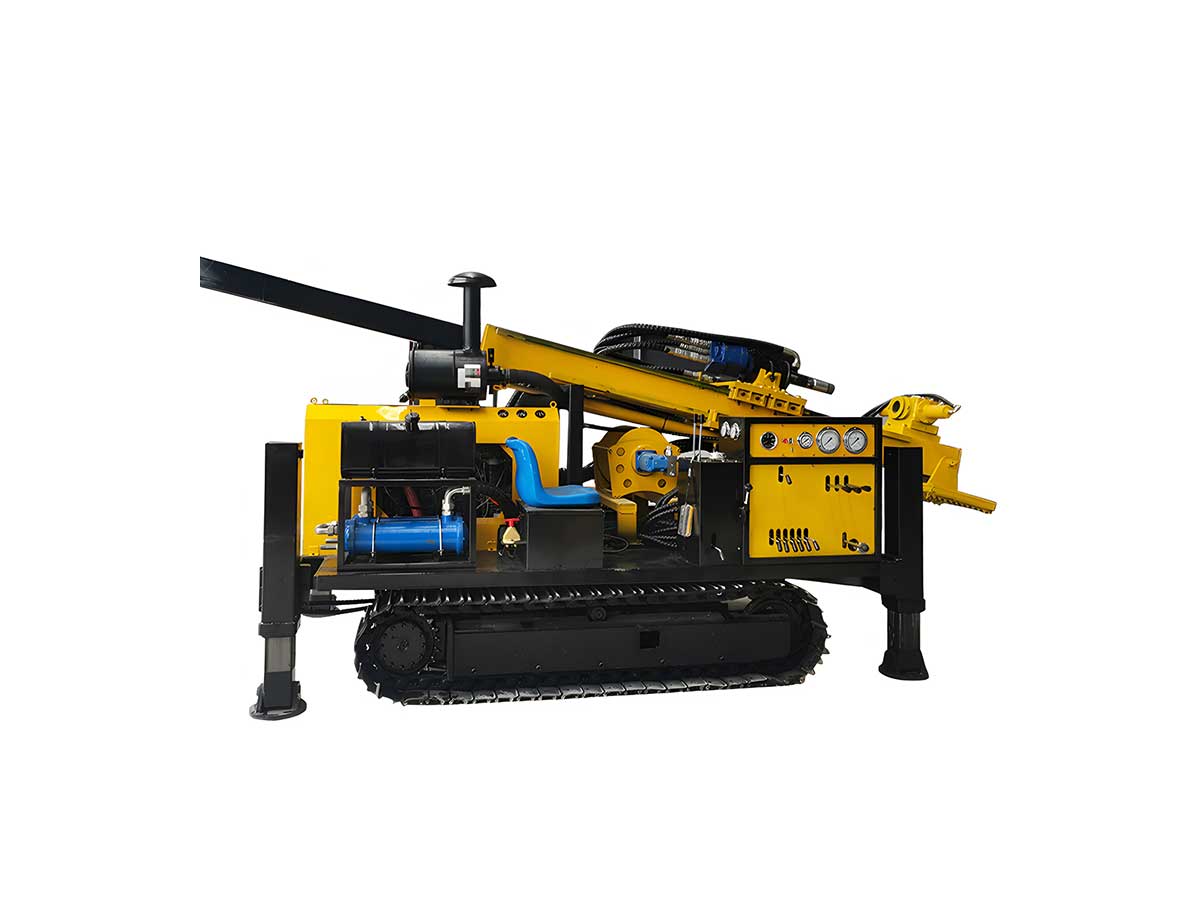

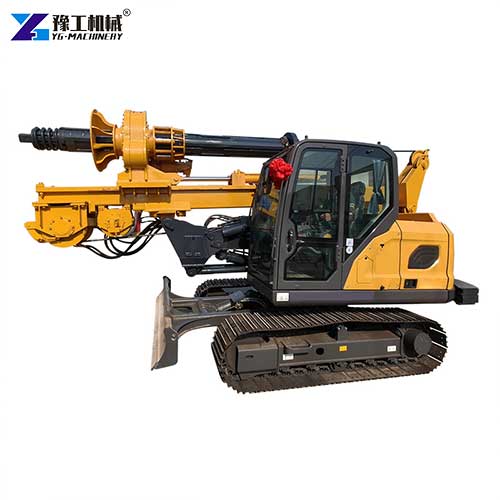
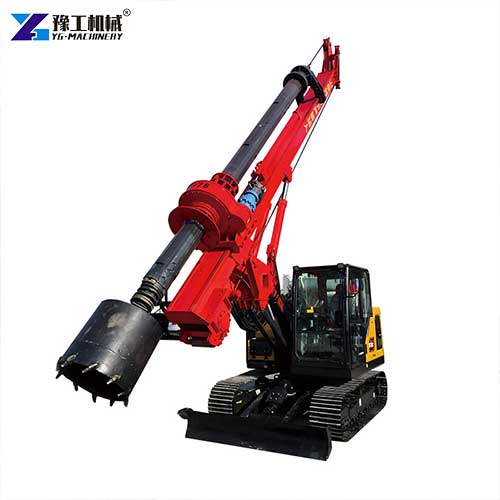
Global solar energy capacity is growing at an unprecedented rate, driving massive demand for efficient foundation construction solutions. Rotary drilling equipment has become the preferred tool for solar pile installation, replacing outdated manual methods and traditional impact hammers. For small to medium-sized construction contractors, choosing the right drilling machine directly determines their profitability in this booming market.
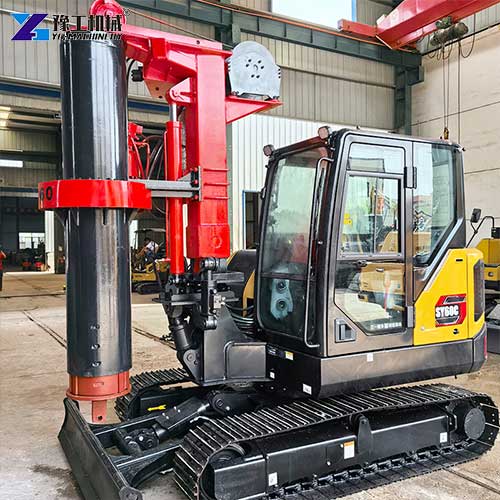
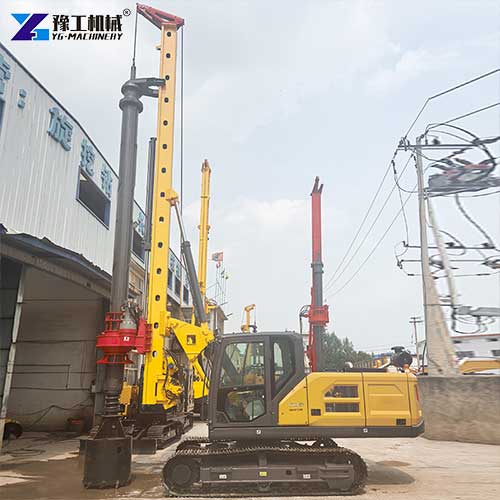
Rotary Drilling Equipment Technical Parameter
| Dimensions (mm) | 7900*2260*3100 |
| Vehicle mass (kg) | 8000 |
| Wheelbase (mm) | 3150 |
| Wheelbase (mm) | Front 1400 After 1060 |
| Drilling depth (m) | 13 |
| Drilling diameter (mm) | 600-1600 |
| Rotation angle | 180 degree |
| Walking speed (km/h) | 50 |
| Gear pump model | CBJT2080 |
| Hydraulic system working pressure (Mpa) | 20-25 |
| Hydraulic system displacement (ml/r) | 80 |
| engine model | 4108 |
| Engine power (kW) | 88 |
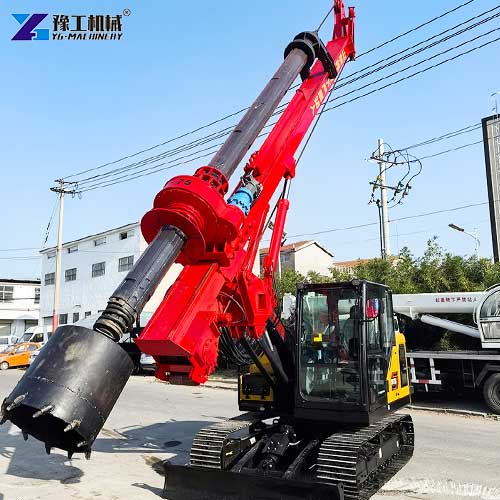
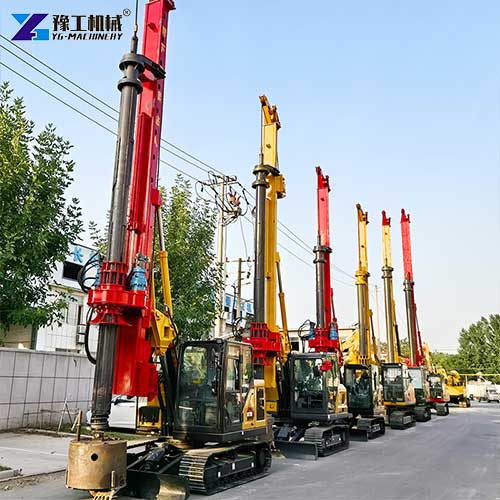
Why 13m Rotary Drilling Equipment Is Perfect For Solar Pile Projects
Most commercial solar farms require pile foundations with depths between 8 and 12 meters to ensure stable support for solar panels. This makes 13-meter rotary drilling equipment the ideal choice, as it provides just enough drilling capacity without the unnecessary extra cost of larger, more powerful machines.
- Precise depth matching: The 13-meter maximum drilling depth covers 95% of global solar pile foundation requirements
- Versatile diameter range: 600- 1600 mm drilling diameter accommodates all standard solar pile sizes
- High mobility: 50km/h road speed allows quick movement between different sections of large solar farms or between multiple project sites
- Low ground pressure: 8000kg total weight minimizes ground damage, even on soft or uneven terrain common in rural solar farm locations
- Compact dimensions: 790022603100mm footprint enables easy transportation on standard flatbed trucks and operation in tight spaces
Cost Components Of Solar Pile Drilling Operations
To accurately calculate your profit potential, you need to understand all the costs associated with operating a hydraulic rotary piling rig. We have broken down these costs into four main categories based on real-world operation data:
1. Equipment Depreciation
This is the highest fixed cost for any drilling operation. A well-maintained 13-meter rotary drilling rig has an average service life of 8-10 years. Assuming a standard 8-hour daily operation and 250 working days per year, the monthly depreciation cost is approximately 1-1.5% of the initial purchase price.
2. Fuel Consumption
The 88kW diesel engine consumes approximately 15-20 liters of diesel per hour under normal operating conditions. This translates to about 120-160 liters of fuel per 8-hour workday. Fuel costs will vary depending on local diesel prices, but they typically represent 25-35% of total operating costs.
3. Labor Costs
A hydraulic rotary piling rig requires a crew of 2-3 trained workers: one operator and one or two ground assistants. Labor costs vary significantly by region, but they generally account for 20-30% of total project expenses.
4. Maintenance And Repair Costs
Regular maintenance is essential to keep your equipment running reliably and avoid costly downtime. For a 13-meter rotary drilling rig, you should budget approximately 1% of the initial purchase price per month for routine maintenance, including oil changes, filter replacements and hydraulic system inspections.
Additional minor repair costs will increase this figure slightly over time, but proper maintenance can keep total annual maintenance costs below 15% of the initial investment.
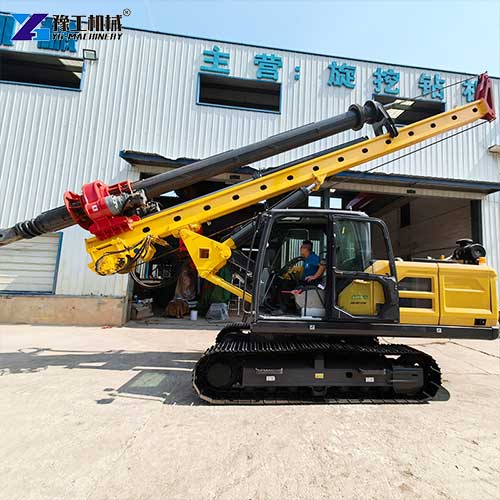
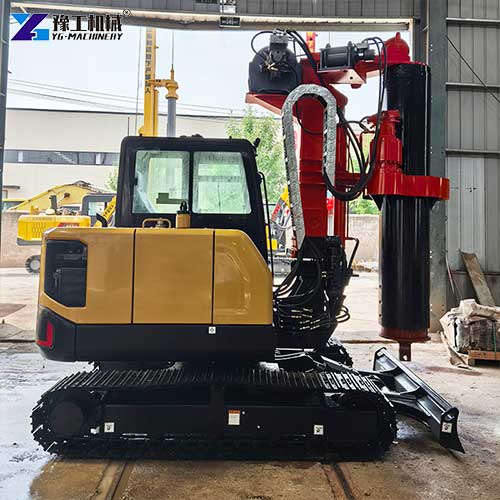
Real-World Productivity Data for 13m Rotary Pile Drilling Rig
Productivity is the single most important factor affecting your profitability. Our 13-meter rotary pile drilling rig delivers consistent performance across different soil types commonly found in solar farm locations:
Productivity By Soil Type:
- Sandy soil (best condition): 15-20 minutes per 10-meter pile, 24-32 piles per 8-hour day
- Loamy soil (average condition): 20-25 minutes per 10-meter pile, 19-24 piles per 8-hour day
- Clay soil (challenging condition): 25-35 minutes per 10-meter pile, 14-19 piles per 8-hour day
- These figures include all necessary operations such as machine positioning, drilling, pile extraction and moving to the next location. The 20-25MPa hydraulic system provides consistent power even in difficult soil conditions, minimizing downtime and ensuring steady productivity.
Daily Output Example :
For a typical solar farm project on loamy soil, a single 13-meter rotary pile drilling rig can complete approximately 20 piles per day. This means it can finish a 1MW solar project (requiring about 300 piles) in just 15 working days.
Detailed Profit Calculation Example
Let’s walk through a realistic profit calculation for a 10MW solar farm project using our 13-meter rotary drilling equipment. This example uses average global market rates and costs to give you a clear picture of the profit potential.
Project Parameters :
- Total project size: 10MW
- Number of piles required: 3,000 (300 piles per MW)
- Average pile depth: 10 meters
- Soil condition: Loamy soil (average productivity)
- Contract price per pile: $130 (average global rate for solar pile installation)
Total Revenue :
3,000 piles × $130 per pile = $390,000 total project revenue
Total Project Costs:$136,200
- Fuel cost: 150 days of work × 140 liters/day × $1.20/liter = $25,200
- Labor cost: 3 workers × $150/day × 150 days = $67,500
- Maintenance cost: $1,200/month × 5 months = $6,000
- Equipment depreciation: $4,500/month × 5 months = $22,500
- Miscellaneous costs (transport, insurance, etc.): $15,000
Net Profit:$390,000
total revenue – $136,200, total cost = $253,800, net profit
Return On Investment Timeline:
Based on this example, you can recover your entire initial investment in approximately 8-12 months of continuous operation. Even if you only work 6 months per year, you will still achieve full ROI within 2 years.
This calculation does not include additional revenue from other types of projects you can undertake with the same equipment, such as residential foundation drilling, road construction and small building projects.
How to Maximize Your Profit With 13m Rotary Drilling Equipment?
While the 13-meter rotary drilling equipment already offers excellent profit potential, you can further increase your returns by implementing these proven strategies:
1. Optimize Your Work Schedule
Plan your daily work route to minimize machine movement time. Group piles by location so you can drill multiple piles in sequence without traveling long distances. This simple change can increase your daily productivity by 10-15%.
2. Match Drilling Parameters To Soil Conditions
Adjust the drilling speed and pressure based on the actual soil conditions. Our rotary rig machine allows easy parameter adjustment through the control panel, ensuring optimal performance and reducing unnecessary wear on components.
3. Perform Regular Preventive Maintenance
Follow the recommended maintenance schedule strictly. A small investment in regular maintenance will save you thousands of dollars in costly repairs and downtime later. Keep detailed maintenance records to track component wear and plan replacements in advance.
4. Diversify Your Project Portfolio
While solar farm projects offer excellent profitability, don’t limit yourself to just one type of work. Your 13-meter rotary drilling equipment can also handle:
- Residential and commercial building foundations
- Road and bridge construction
- Retaining wall installation
- Ground improvement projects
- Diversifying your project portfolio ensures steady work throughout the year and maximizes your equipment utilization rate.
5. Invest In Operator Training
Well-trained operators are more productive and cause less wear and tear on your rotary rig machine. Invest in regular training for your operators to ensure they are using the machine correctly and efficiently.