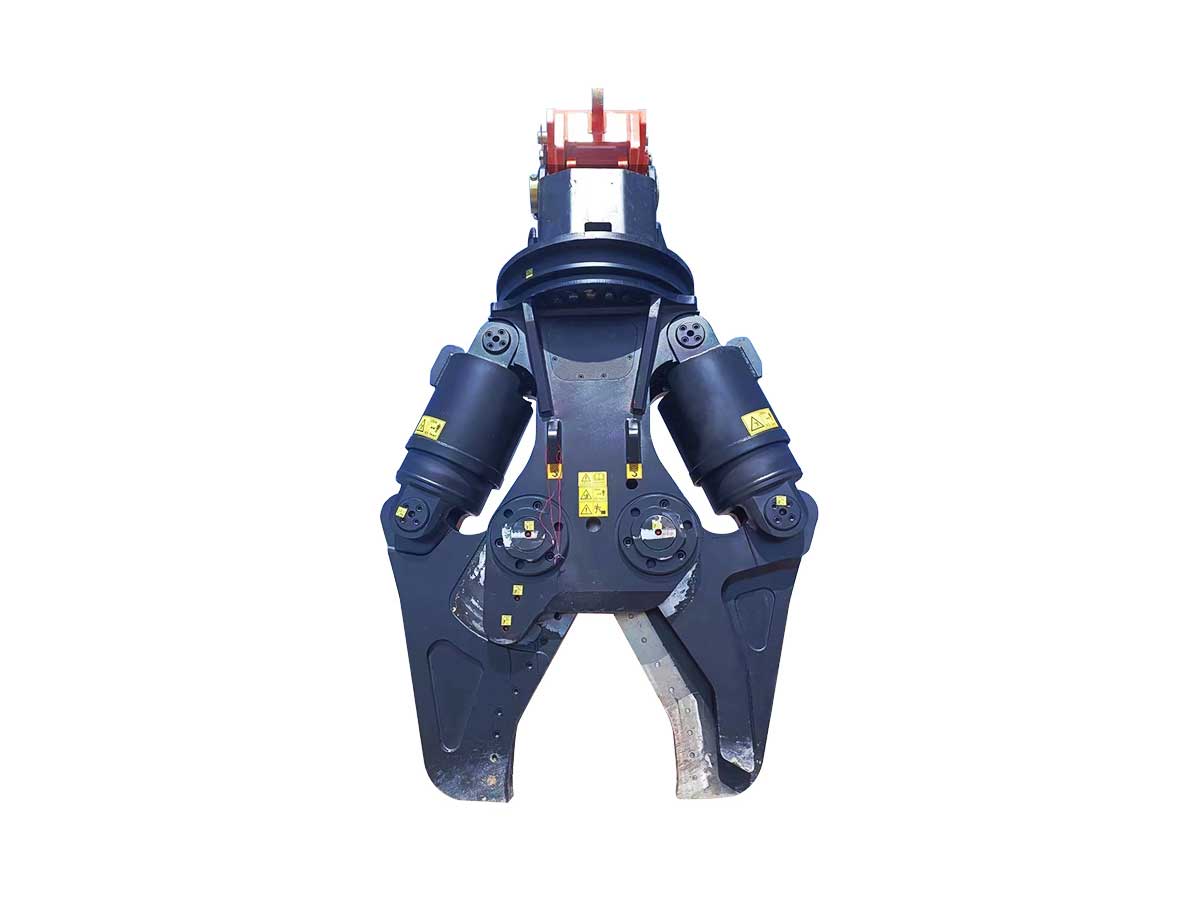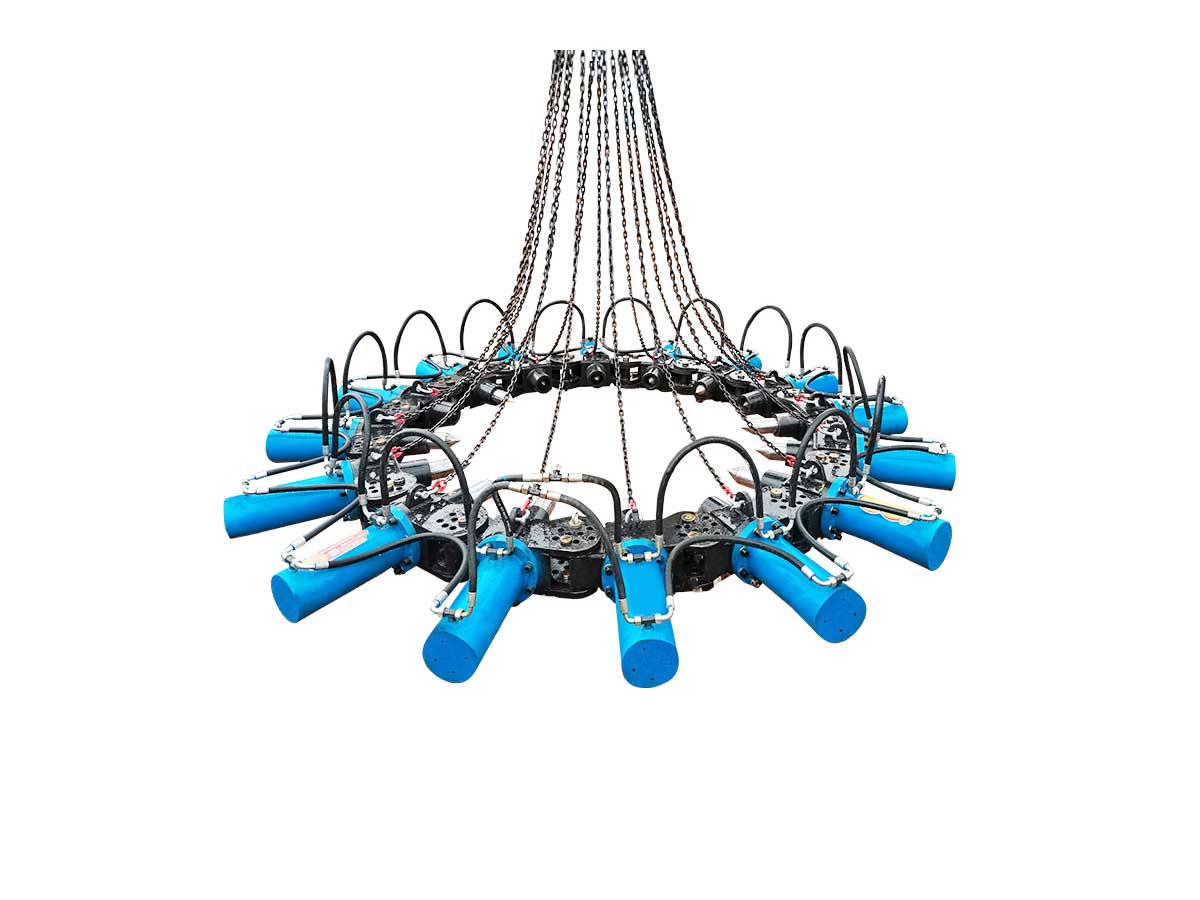

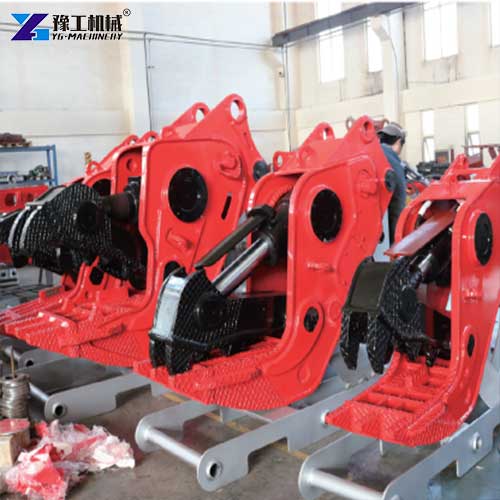
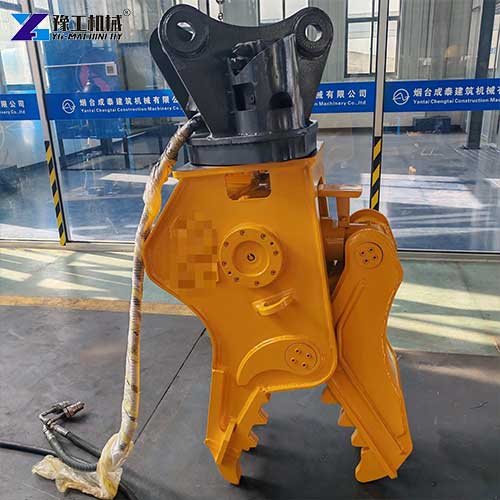
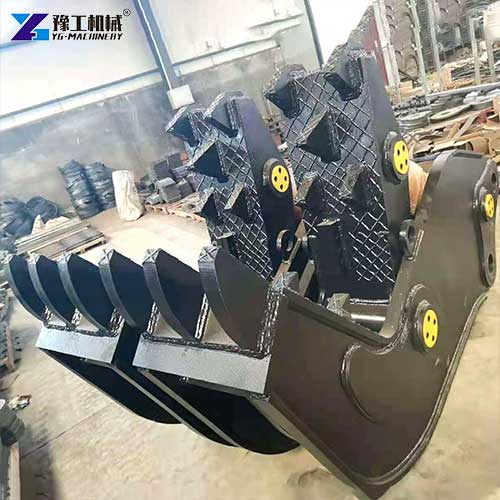
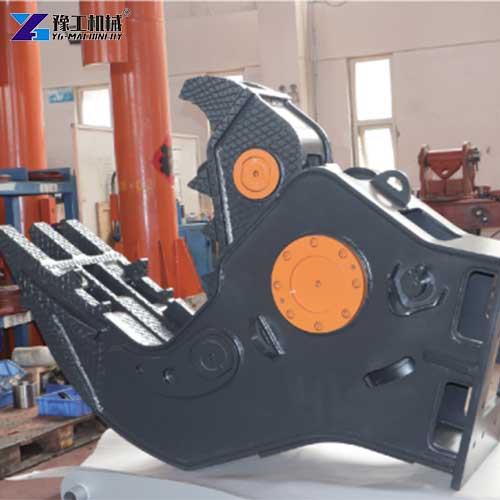
A hydraulic concrete pulverizer is a heavy-duty demolition attachment that mounts to an excavator and uses hydraulic force to crush concrete and cut through embedded rebar in a single operation. Unlike breakers that rely on impact, this tool works by closing two reinforced jaws around concrete elements, pulverizing the material while sharp blades shear through steel reinforcement. An excavator pulverizer excels at selective demolition work, where you need to take down concrete structures while recovering clean, reusable rebar. Contractors use these attachments for everything from small building teardowns to large commercial and industrial demolition projects.
The main advantages over traditional breaking methods include cleaner material separation, less manual labor for rebar processing, and lower noise and vibration levels on the job site. For projects that involve reinforced concrete, these tools consistently improve both efficiency and material recovery value.
Hydraulic Concrete Pulverizer Technical Parameters
| Model | Unit | YG400 | YG600 | YG800 | YG1000 | YG1700 |
| Total length | mm | 1642 | 1895 | 2168 | 2218 | 3150 |
| Total width | mm | 1006 | 1275 | 1376 | 1598 | 2100 |
| Blade length | mm | 120 | 150 | 180 | 200 | 240 |
| Max Opening Height | mm | 587 | 718 | 890 | 1029 | 1400 |
| Upper Jaw Width | mm | 215 | 280 | 290 | 380 | 400 |
| Lower Jaw Width | mm | 458 | 586 | 588 | 720 | 812 |
| Max Shear Force | kn | 380 | 650 | 1650 | 2250 | 2503 |
| Working Pressure | Bar | 280 | 320 | 320 | 320 | 320 |
| Weight | kg | 670 | 1350 | 1750 | 2750 | 4709 |
| For Excavator Weight | ton | 6-9 | 10-15 | 18-26 | 26-30 | 50-80 |
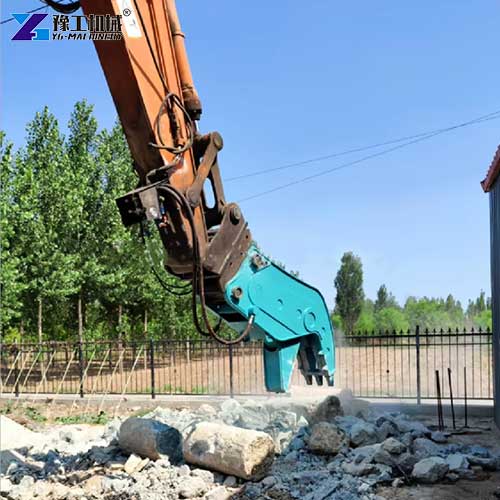
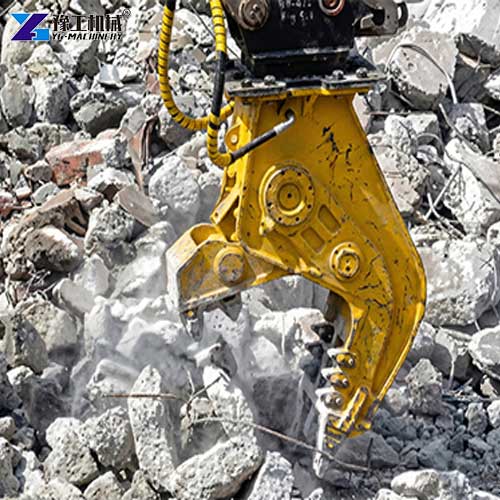
Case Study 1: Urban Demolition Project in Argentina
Client Background:
The customer is a mid-size demolition company in Argentina. They specialize in urban building teardowns and have been in business for over 12 years.
Client Needs:
Before adding the pulverizer, the company relied mainly on hydraulic breakers for concrete work. They faced three main issues:
- Noise and vibration caused complaints on dense urban job sites
- Rebar recovery required separate manual cutting, which was slow and labor-intensive
- Site cleanup took longer due to mixed demolition debris
- They wanted a tool that could reduce noise, speed up rebar recovery, and cut down on manual labor.
YG’s Solution:
After reviewing their excavator fleet and typical project scope, YG recommended the YG600 model. This hydraulic concrete pulverizer works well with 10 to 15-ton excavators and delivers 650 kilonewtons of maximum shear force — enough for typical urban building reinforcement. The recommendation was based on excavator compatibility, typical concrete thickness on their projects, and expected return on investment for their project volume.
Client Feedback :
The project manager at the company shared their experience: “We were not sure at first if a pulverizer would make financial sense for the size of jobs we do. We mostly handle mid-size urban buildings, not huge projects. But after a few months, it was obvious we should have done this earlier.
The biggest surprise was how much cleaner the rebar came out. We used to spend hours cutting and cleaning rebar by hand, and even then, we got the lower scrap price. Now it comes out straight and clean right from the jaw. The scrap yard actually commented on the difference. Noise is another big one. In the city, you get used to complaints. But since we started using this hydraulic concrete pulverizer, we have had far fewer issues with neighbors. That means fewer interruptions and more predictable schedules.”
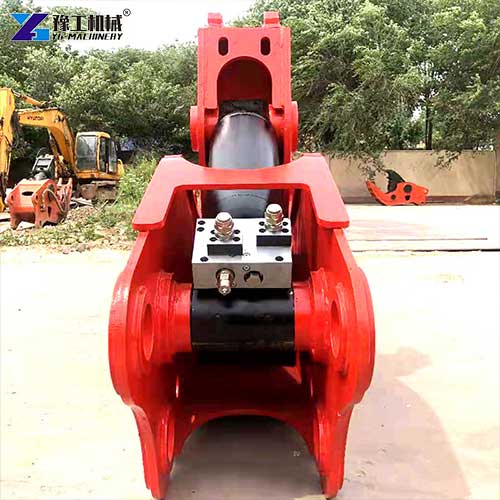
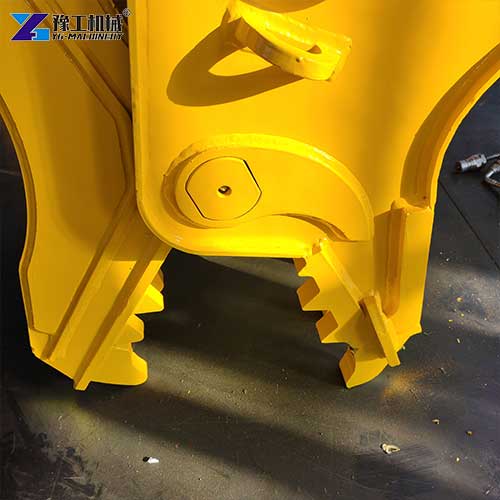
Case Study 2: Commercial Demolition Project in Saudi Arabia
Client Background :
The second customer runs a demolition and earthmoving company in Saudi Arabia. They handle commercial building demolition, site clearance, and infrastructure support work. The company has been in business for about 9 years.
Client Needs :
The company was looking for ways to improve efficiency on reinforced concrete projects. Their main concerns were:
- High summer temperatures put extra stress on equipment and seals
- Rebar handling was a bottleneck, requiring separate crews and processing time
- Material recycling value could be better with cleaner separation
- Equipment durability mattered more than initial cost, given their climate and volume
- They needed a demolition pulverizer that could handle sustained use in hot conditions while delivering consistent cutting performance.
YG’s Solution :
After reviewing their excavator fleet and project types, YG recommended the YG800 model. This hydraulic concrete pulverizer pairs with 18 to 26-ton excavators and delivers 1650 kilonewtons of maximum shear force, which handles the heavier reinforcement found in commercial construction. The recommendation took into account their high-temperature operating environment, the heavy rebar typical of their commercial projects, and the size of their main production excavators.
Client Feedback :
The operations manager shared their thoughts: “We work on a lot of commercial buildings with heavy rebar, and steel recovery was always the slow part. You break the concrete, then you have to go back and cut all the rebar. It adds days to every project. With this excavator pulverizer, you crush the concrete and cut the steel in the same pass. The rebar comes out clean and ready to load. We were not sure the difference would be that big, but it is. On our last commercial teardown, we finished the demolition and steel recovery phase several days ahead of our usual schedule. The heat performance was another pleasant surprise. Summer here is hard on equipment, and we expected some issues. But the attachment has been solid. No seal problems, no pressure loss, just consistent performance even on the hottest days.
How to Maintain Your Hydraulic Concrete Pulverizer?
Proper maintenance keeps your demolition pulverizer productive for years and reduces the cost per hour of operation. A little routine care goes a long way toward preventing downtime and extending wear part life.
Daily maintenance takes just a few minutes:
- Grease all pivot points before each shift to reduce friction and slow wear on pins and bushings
- Inspect cutting blades for wear or damage — dull blades cut poorly and stress the rest of the attachment
- Check hydraulic hoses for abrasion, cuts, or leaks
- Look for cracks in the jaw structure, especially around weld areas
Weekly checks go deeper:
- Check jaw pins and bushings for excessive play — loose jaws indicate approaching replacement time
- Verify smooth cylinder operation by running through a few full open-close cycles
- Inspect all mounting bolts and pin keepers for tightness and security
Wear part replacement follows a predictable schedule:
- Cutting blades need replacement or resharpening when they no longer cut rebar cleanly
- Pins and bushings wear gradually — replace before play becomes excessive
- Hydraulic seals eventually harden and leak — replace at the first sign of seepage
Ready to Upgrade Your Demolition Capabilities?
If you are considering whether this type of equipment makes sense for your operation, start by thinking about the projects you do most often. How much reinforced concrete do you handle? What does rebar processing currently cost you in labor and time? How much could cleaner recovered materials add to your revenue?
A good concrete pulverizer attachment can improve all those areas. YG has multiple models covering everything from 6-ton mini excavators up to 80-ton production machines. Whether you run a small urban demolition business or a larger commercial operation, there is a size that fits your fleet and your project scope. If you are looking for affordable and reliable concrete pulverizer attachments, please contact the YG team today to get your exclusive offer and a free quote.