
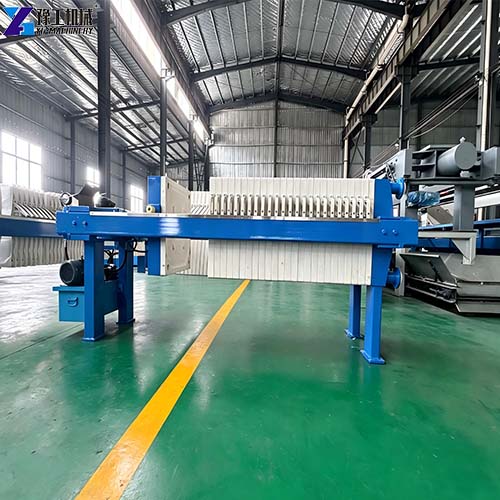
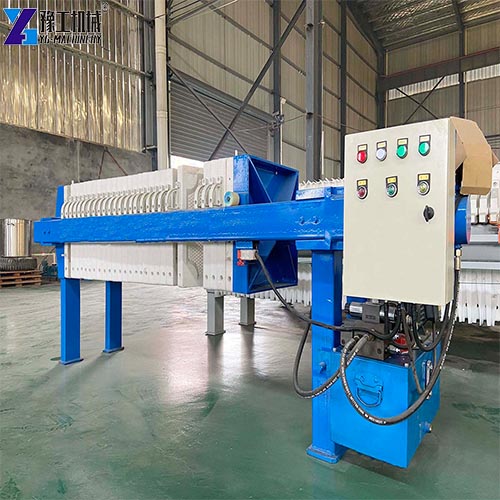
A hydraulic filter press is a heavy-duty separation machine that uses a high-pressure oil cylinder to seal filter chambers and squeeze liquid out of slurry. The YG series provides clamping pressure up to 20 MPa and handles filtration areas from 100 m² to 500 m². It efficiently processes everything from chemical wastewater to mineral tailings. Send your slurry volume and target moisture today, and we will recommend the right system for your site.
Best-Selling Hydraulic Filter Press Core Specifications
| Model | XMZ100/1000-30U | XMZ250/1250-30U | XMZ500/1500-30U |
| Chamber Volume | 1,500 L | 3,750 L | 7,500 L |
| Filtration Area | 100 m² | 250 m² | 500 m² |
| Clamping Pressure | 20 MPa | 20 MPa | 20 MPa |
| Filtration Pressure | 0.6 MPa | 0.6 MPa | 0.6 MPa |
| Overall Weight | 6,628 kg | 14,288 kg | 30,288 kg |
| Number of Movable Plates | 57 pcs | 91 pcs | 123 pcs |
| Number of Chambers | 58 | 92 | 124 |
| Filter Plate Size | 1000×1000×60 mm | 1250×1250×65 mm | 1500×1500×65 mm |
| Quantity of Filter Cloth | 57+1 (cloth for head & tail plates) | 91+1 (cloth for head & tail plates) | 123+1 (cloth for head & tail plates) |
| Overall Dimension | 5780×1500×1400 mm | 8745×1850×1600 mm | 11820×2100×1820 mm |
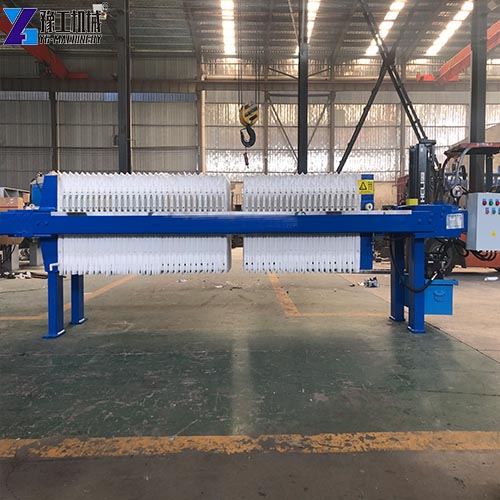
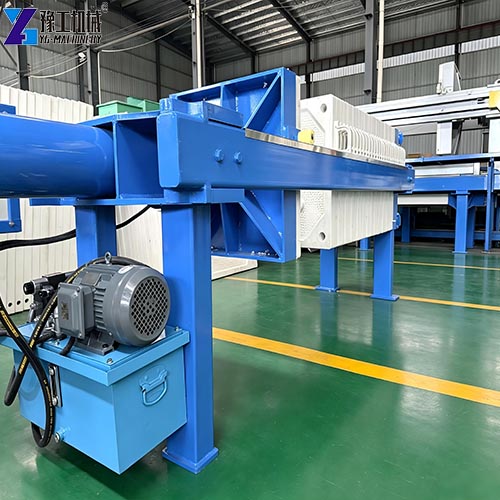
Inside the Sludge Filter Press
Understanding the structure helps you operate and maintain the equipment better. The machine consists of three main sections.
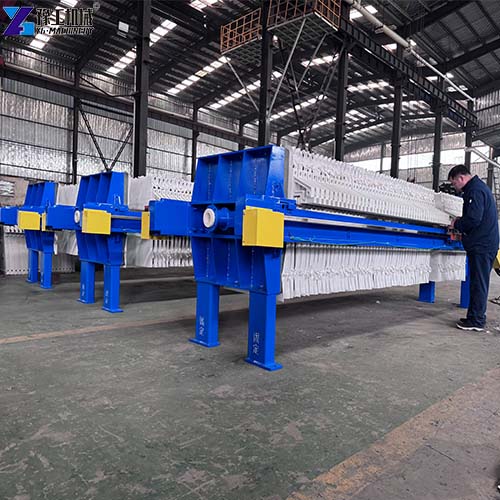
- First, the main frame supports the entire structure. It includes the thrust plate, clamping plate, and main beams. During operation, the piston rod of the oil cylinder pushes the clamping plate tightly against the filter plates and cloth. This prevents slurry leakage during the pressurized filtration process.
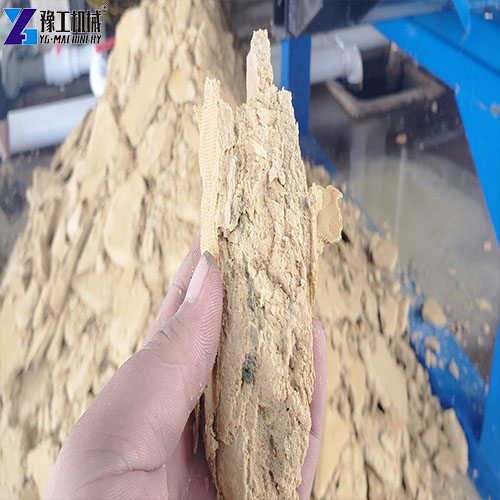
- Second, the filtration section holds the filter plates and cloth arranged in a specific order on the main beams. Slurry enters the chambers, and solid particles larger than the cloth pores remain inside to form a cake.
- Third, the clamping section is where the hydraulic system shines. An electric motor drives an oil pump, sending hydraulic oil through control valves into the cylinder. This system builds and holds pressure automatically. For larger models, a PLC cabinet controls side pulling trolleys to shift plates automatically during discharge.
6 Advantages of Hydraulic Filter Press
1. High 20 MPa Clamping Pressure for Leak-Free Sealing
The hydraulic station drives the oil cylinder to push the movable plate against the filter plates. With a 20 MPa clamping pressure across all XMZ models, the system compresses the filter cloth and plate edges into a tight seal. This pressure prevents slurry from leaking out of the chambers during the feed cycle. The benefit is a clean working environment and consistent filtration results.
2. 0.6 MPa Filtration Pressure for Efficient Dewatering
The feed pump pushes slurry into the chambers at 0.6 MPa filtration pressure. Solid particles build up on the filter cloth while liquid passes through the outlet. A hydraulic filter press with this pressure setting achieves faster cycle times and lower cake moisture. Operators can process more batches per shift without increasing energy consumption.
3. Large 500 m² Filtration Area for High Volume Sludge
The XMZ500/1500-30U model offers a 500 m² filtration area and a 7,500 L chamber volume. It uses 123 movable plates and 124 chambers to handle large sludge flows from municipal plants and mining operations. A filter press for sludge dewatering with this capacity reduces the number of machines needed on site. The result is lower capital cost and a smaller footprint.
4. Flexible Clamping Options for Different Workloads
A hydraulic filter press from YG can use a manual jack, automatic hydraulic clamping, or PLC-controlled automatic plate pulling. The manual jack suits small workshops, while the PLC system uses a control cabinet to move the plate pulling cars automatically. This flexibility allows buyers to match automation level to labor availability and budget. The benefit is a system that fits the plant instead of forcing an upgrade.
5. Reliable Frame and Plate Structure for Continuous Use
The main frame uses a thrust plate, pressing plate, and main beam to support the filter plates. The filter plates use PP material and come in sizes from 1000×1000 mm to 1500×1500 mm. The hydraulic cylinder and piston rod provide stable force across the plate stack. This structure maintains alignment during high-pressure cycles. The benefit is long service life and less downtime for frame repairs.
6. Clear and Closed Discharge Designs for Safety
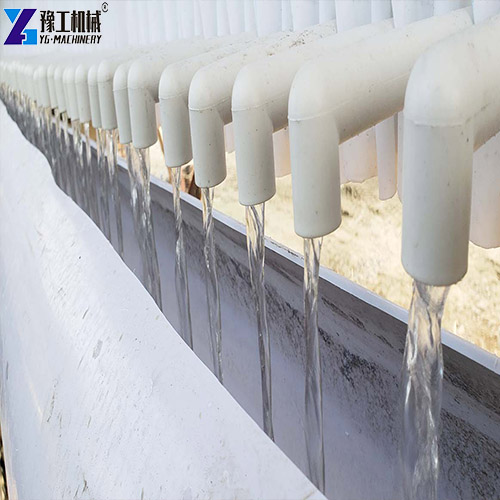
Each filter plate has an outlet hole and a water nozzle for open discharge. Alternatively, the outlets connect to a common pipe for closed discharge. A sludge filter press with closed discharge handles toxic, volatile, or high-temperature liquids safely. Operators can choose the discharge method based on the material. The benefit is a safer site and easier compliance with environmental rules.
YG Industrial Filter Press For Sale
YG hydraulic filter press includes manual, hydraulic, PLC, and membrane configurations for mining, chemical, and industrial filter press applications. Share the sludge flow, required cake dryness, floor space, and automation level. YG will recommend the right model and provide a free quote.
FAQ About Filter Press For Sludge Dewatering
A: In open flow, each plate has a spout that drains liquid directly. In closed flow, filtrate from all plates merges into one pipe and exits the machine. Closed flow is better for hazardous liquids or when you want to keep the floor dry.
A: An electric motor drives a pump that sends hydraulic oil into a cylinder. The piston rod pushes the clamping plate forward to seal the filter chambers. The system maintains 20 MPa of pressure automatically, so operators do not need to monitor it constantly.
A: Choose a membrane version when you need lower cake moisture. After the initial filtration, you pump water or air into the membrane plates. The plates expand and squeeze the cake, removing extra liquid. This method works well for a hydraulic filter press where disposal costs are high.
A: You can choose powder coating, PP wrapping, or stainless steel wrapping. The right choice depends on the pH level and chemical composition of your slurry.
A: Yes. We offer a fully automatic cloth washing system. It cleans the cloth after each cycle, which maintains filtration efficiency and extends the life of the cloth.
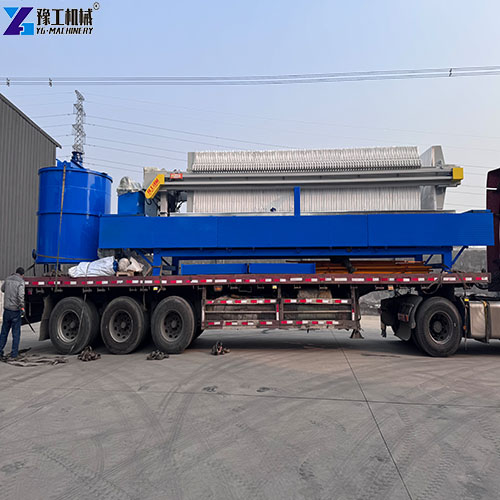
A: We use a welded steel frame with wooden boards. The whole machine fits in one crate to prevent damage and missing parts during transport.