

In early 2025, a river-cleaning project in New Zealand required equipment to remove accumulated sludge, sand deposits, and solid debris from beneath a bridge. The working area had a water depth of approximately 6 m, making direct manual cleaning difficult.
For this project, the contractor selected the YG-700 dredging equipment for sale to collect sediment from the riverbed. The machine entered the water successfully and pumped the accumulated material through its own suction system. Unlike equipment that only collects sediment for later manual handling, the YG-700 connects underwater dredging with a pipeline transportation system, allowing the collected slurry to move directly toward the riverbank for further processing.
The project also used a YG filter press to handle the extracted slurry. Should you require further details, please feel free to contact us; we would be happy to provide relevant materials and professional advice for your project, free of charge.
Why Did the New Zealand Project Need a Dredging Robot?
Cleaning a riverbed beneath a bridge presents several practical difficulties.
- Underwater sediment: The accumulated sludge and sand deposits were located approximately 6 m below the water surface. Workers could not easily access the riverbed for direct removal.
- Mixed materials: The riverbed contained sludge, sand, and solid impurities. The cleaning equipment needed to collect this mixture rather than deal with only loose surface sediment.
- Restricted working area: The bridge limited the available working space, so the project required equipment that could operate underwater without relying on large conventional dredging machinery directly at the cleaning point.
- Continuous sediment removal: Collecting sediment underwater was only part of the job. The slurry also needed to move from the riverbed to the riverbank for subsequent treatment.
These conditions made a remotely operated underwater dredging robot a suitable option to consider. It allowed the operator to control the cleaning process without having to work directly underwater.
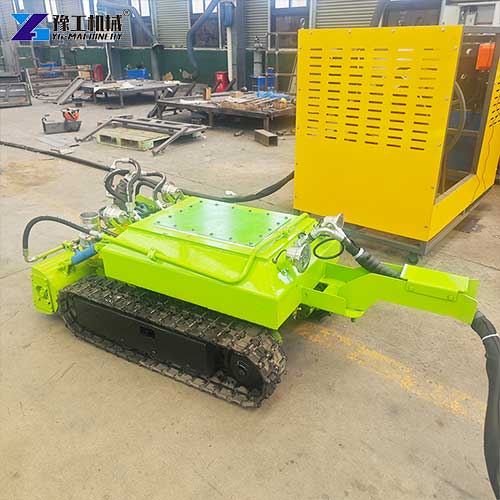
YG-700 Dredging Equipment for Sale: Configuration and Key Specifications
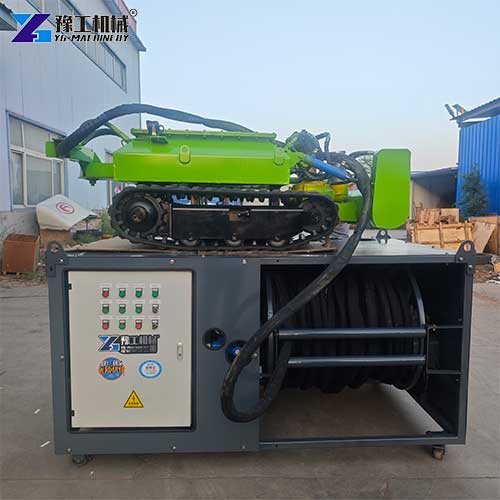
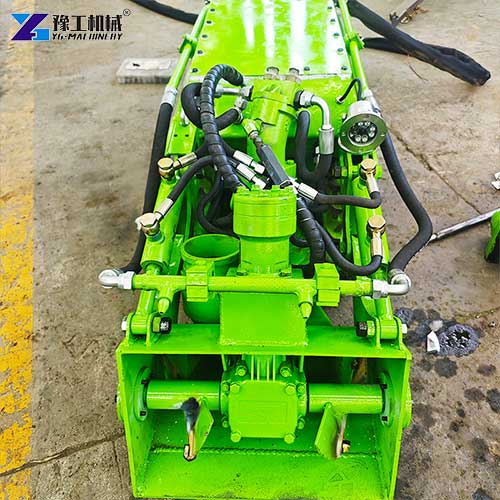
The YG-700 is designed for underwater sediment collection and pumping. It combines a dredging unit, suction pump, hydraulic system, and remote-control operation to support river, lake, and reservoir cleaning work.
For the New Zealand project, the machine’s main role was to collect sludge and sediment from the riverbed and pump the mixture through the connected discharge pipeline.
YG-700 Underwater Dredging Robot Technical Specifications
| Parameter | Specification |
| Model | YG-700 |
| Dredging width | 700 mm |
| Rated pump flow | 200 m³/h |
| Pump outlet diameter | 4 inches |
| Main motor power | 30 kW |
| Machine weight | 380 kg |
| Maximum particle size | 38 mm |
| Standard hydraulic hose length | 50 m |
| Control method | Wireless remote control |
| Underwater lighting | 2 LED lights |
What Makes the YG-700 Suitable for Underwater Cleaning?
1. Remote operation
The operator controls the machine wirelessly, reducing the need for workers to enter the water to carry out sediment collection. This is particularly useful when the cleaning area is underwater or difficult to access.
2. Integrated suction and pumping
The YG-700 has its own suction pump. It collects the sediment-water mixture from the riverbed and pumps it through the connected pipeline, reducing the need for separate manual collection and transfer operations.
3. Compact working structure
With a machine weight of 380 kg and a dredging width of 700 mm, the YG-700 provides a compact equipment option for underwater cleaning projects where access and working space need careful consideration.
4. Underwater visibility support
Two underwater LED lights help illuminate the working area. This provides additional visibility during underwater operation, especially when natural light is limited.
For contractors comparing dredging equipment for sale with conventional river-cleaning methods, these features help explain how the YG-700 handles sediment collection and transportation as part of one operation.
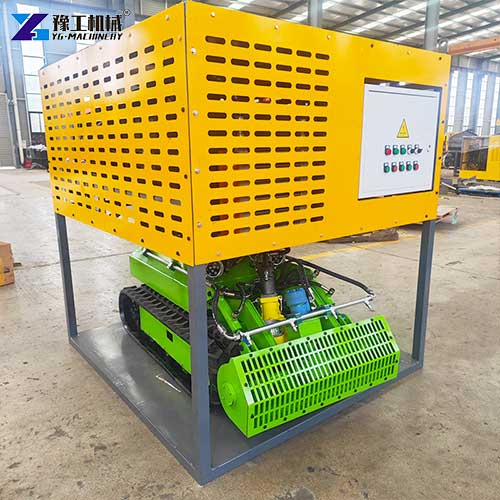

How Did the YG-700 Remove Sediment from the Riverbed?
The central task in the New Zealand project was to collect accumulated material beneath the bridge and pump it out of the river.
The working process involved several stages:
Step 1: Position the machine
The YG-700 entered the water and moved into the designated cleaning area beneath the bridge.
Step 2: Collect underwater sediment
The machine used its suction system to collect sludge, sand deposits, and solid impurities from the riverbed. Its dredging unit helped gather the material for pumping.
Step 3: Pump the slurry out of the water
The integrated pump transferred the collected sediment-water mixture through the discharge connection. The slurry then moved through sealed hoses and pipeline toward the riverbank.
Step 4: Continue the cleaning operation
The operator controlled the machine remotely while it carried out underwater sediment collection. The process reduced the need for direct manual removal of the riverbed material.
This is the main function that makes the YG-700 useful as a sand dredging machine for suitable sediment-removal projects: it collects underwater material and pumps the resulting slurry out for further handling.
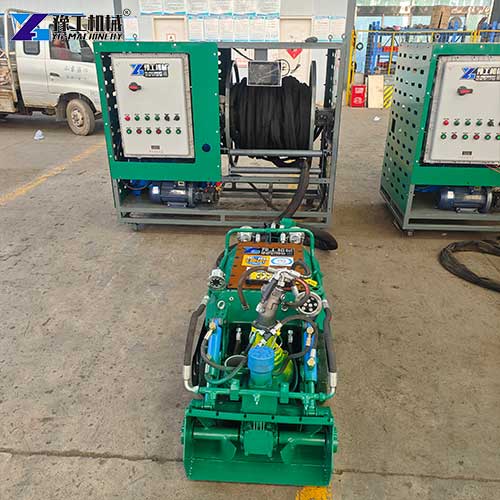
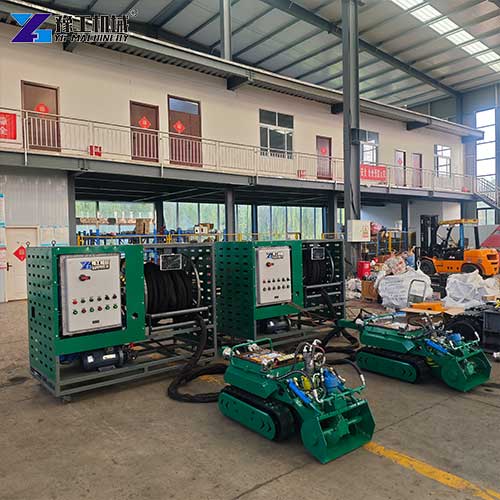
What Happened to the Sludge After the Robot Pumped It Out?
Removing sediment from the riverbed was the primary task, but the extracted slurry still needed proper treatment. In the New Zealand project, the team connected the YG-700’s discharge pipeline to a shore-based YG mobile filter press.
The supporting treatment process worked as follows:
1. Slurry transportation to the riverbank
The YG-700 dredging equipment for sale pumped the mixture of water, sludge, and sand through sealed hoses and pipeline to the shore-based treatment area. This enclosed transportation method helped reduce uncontrolled slurry spills and the risk of secondary pollution.
2. Solid-liquid separation by the mobile filter press
The YG hydraulic filter press received the extracted slurry and separated the solid material from the water. This process reduced the water content of the collected sludge and produced a more manageable sludge cake.
3. Sludge cake collection and transportation
After dewatering, the sludge cake was collected and transported away from the site by tank truck for subsequent resource recovery or appropriate disposal.
4. Tailwater treatment and reuse
The separated water underwent sedimentation and chemical dosing. After treatment and confirmation that it met the applicable requirements, the water could be returned to the original river or reused for construction-site spraying and process-water circulation, rather than being discharged untreated.
The mobile filter press served as supporting equipment in this project. It handled the slurry after the YG-700 completed the underwater collection and pumping stage, making the overall river-cleaning process more practical.

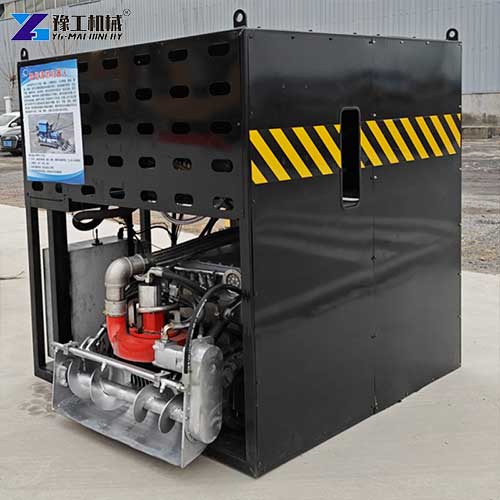
YG Dredging Equipment for Sale
YG offers different dredging equipment models for river, lake, and other waterway cleaning applications. The YG-700 is one option for contractors evaluating equipment for underwater sludge and sediment removal.
If you are planning a river-cleaning project, share the water depth, working location, type of deposits, and required cleaning width with YG. Photos or a short video of the site can also help clarify the working conditions. With this information, the team can discuss whether the YG-700 or another model is a better fit.