
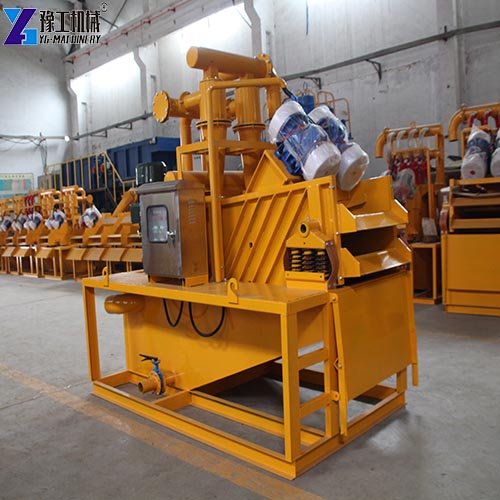
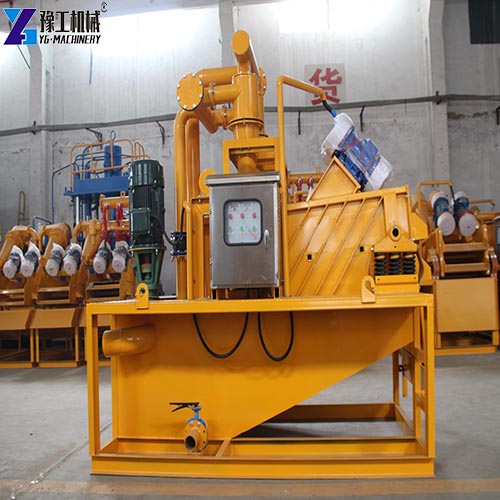
A mud desander separates sand and stone particles from slurry. After treatment, the sand content stays very low, and the cleaned mud can return to the job. It suits pile foundation work, trenchless directional drilling, shield tunneling, water well drilling, bridge construction, and other jobs that need sand removal.
Why Does Pile Foundation Work Need Sand Removal?
During piling, sand stays in the slurry and builds up as sediment in the pile hole. When crews cast concrete, that sediment can cause a broken pile or a failed pile integrity test. When a pile foundation project selects mud desander, it should match sand removal capacity to the actual slurry condition.
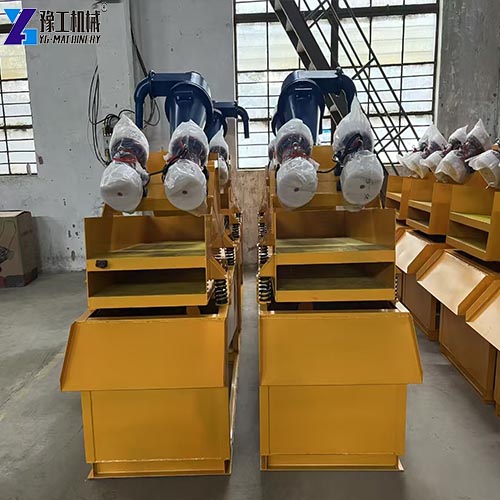
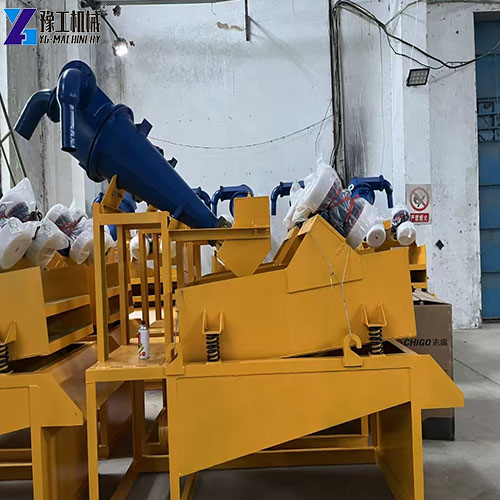
Hot Models of Mud Desanders
YG Already Export models include YG-100A, YG-250A, YG-160B, YG-200B, YG-250B, YG-250C and YG-300C.
| Technical Parameters | YG-100A | YG-250A | YG-160B | YG-200B | YG-250B | YG-250C | YG-300C |
| Maximum Dry Ice Processing Capacity (m³/h) | 100 | 250 | 160 | 200 | 250 | 250 | 300 |
| Total Machine Power (kW) | 0.5 | 3 | 17.2 | 24.2 | 25 | 48 | 59.4 |
| Vibration Motor Power (kW) | 0.25 × 2 | 1.5 × 2 | 1.1 × 2 | 1.1 × 2 | 1.5 × 2 | 1.5 × 2 | 2.2 × 2 |
| Total Machine Weight (kg) | 550 | 1,350 | 1,950 | 2,050 | 2,300 | 4,000 | 5,500 |
| Material Screening Capacity (t/h) | 10–25 | 25–62.5 | 16–40 | 20–50 | 25–62.5 | 25–62.5 | 30–75 |
| Overall Dimensions (L × W × H) (m) | 2.5 × 0.83 × 2.1 | 3.7 × 1.2 × 2.4 | 2.7 × 1.9 × 2.6 | 2.7 × 1.9 × 2.6 | 3.3 × 2.0 × 2.3 | 4.0 × 2.3 × 2.7 | 4.3 × 3 × 3.1 |
How to Choose Between A, B, and C Series?
- A series uses single circulation. Slurry passes the machine once. It suits medium and coarse sand with no large stones, and it has the lowest price.
- B series uses internal circulation with a vertical pump. The pump pulls slurry from the mud box back to the screen for another pass. It suits any geology and gives better sand removal in fine sand and large stone jobs.
- C series uses internal circulation with a horizontal pump. It appears in large equipment, offers easier maintenance, lower damage risk, and stable running, and costs more.
For bentonite slurry, a mud desander with internal circulation can improve fine sand recovery. As mud treatment equipment, B and C mud desanders circulate slurry through the screen again and target lower sand content. When you choose a mud separator, start with the material and target sand content, then compare budget and maintenance.
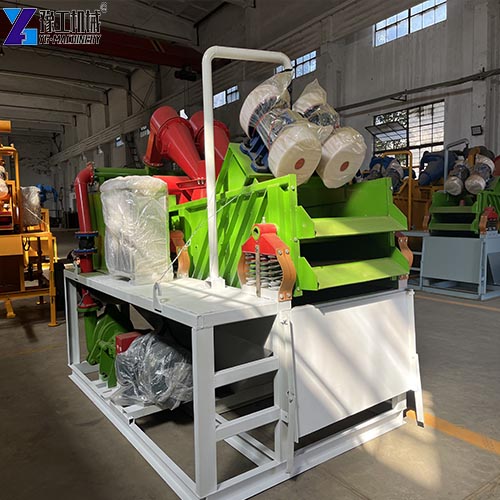
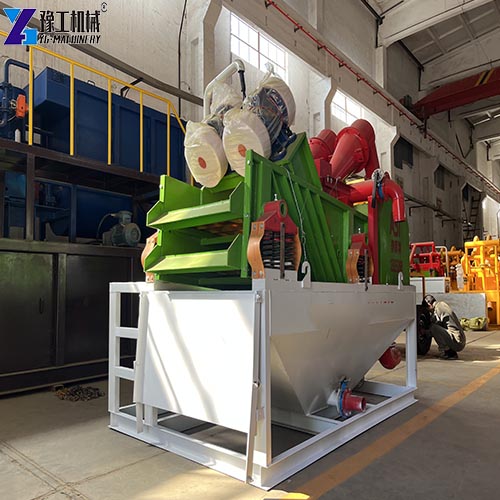
FAQ About Mud Treatment Equipment
Pick A if you’re working with medium and coarse sand free of big rocks and keeping costs lean.
Go with B or C to suit all ground conditions, particularly sites with large stones mixed in fine sand.
Opt for B to lock in a lower price while retaining identical performance.
Select C when you run heavy machinery, prioritizing simpler maintenance, less risk of breakdowns and consistent operation.
Large particles usually cause no problem. Very fine particles are harder to separate, such as sand around 100 mesh or finer. For bentonite slurry, a mud separator may handle fine sand differently depending on the screen and circulation method.
The pump must move the material. Slurry that is too thick or has dried and hardened will not pump well. B series uses a vertical internal pump, and the C series uses a horizontal internal pump. We confirm the external pump based on site conditions.
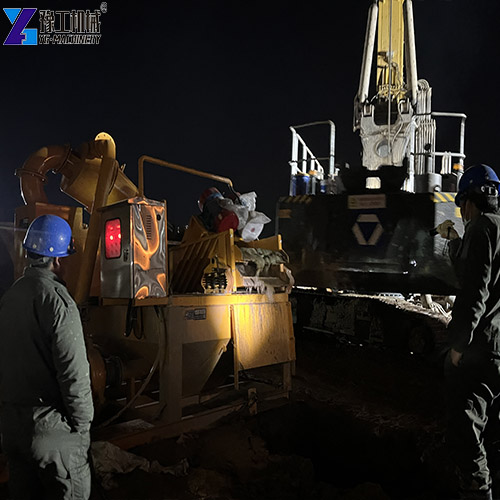
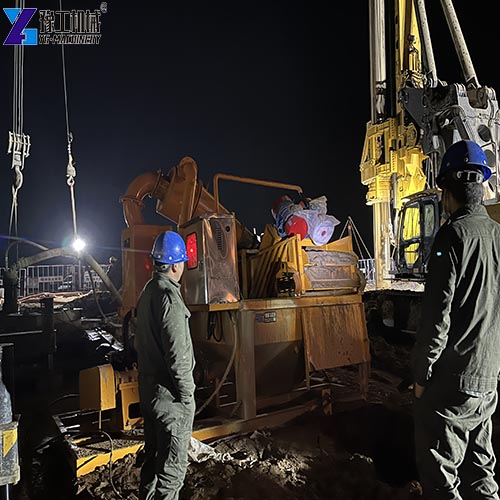
YG Mud Separator for Sale
Send us your required capacity, slurry type, and sand size, and we will recommend the right mud desander model for your project. We can compare the A, B, and C series, confirm the technical sheet, and quote the lead time and warranty terms for your order.