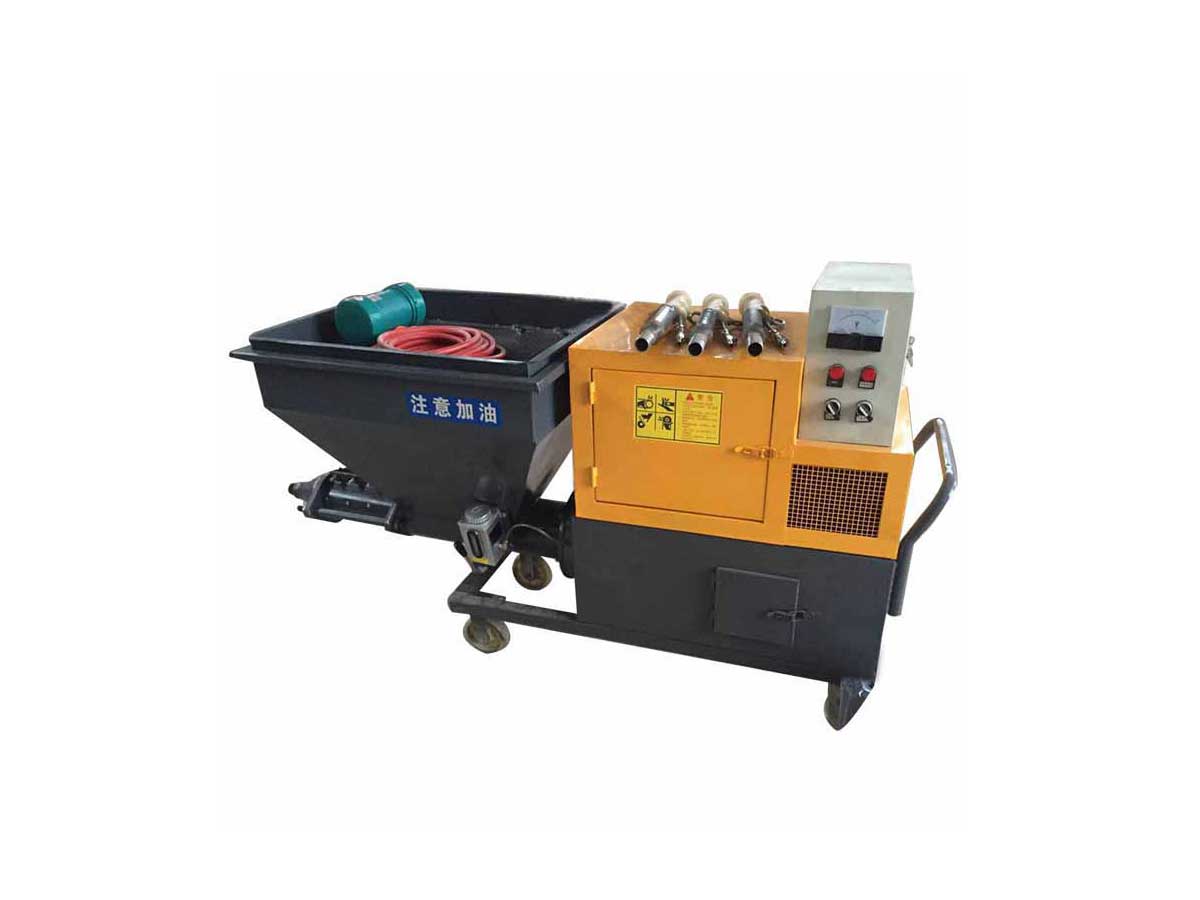

Manual plastering can become time-consuming when construction teams need to cover large wall areas or maintain consistent coating thickness across multiple surfaces. A cement mortar sprayer mechanizes mortar feeding, pressurized conveying, and spraying, helping contractors streamline wall plastering and reduce repetitive manual work. YG offers models including YG311, YG318, YG500, and YG711, with a maximum pressure of 3 MPa and different hopper capacities, motor configurations, and conveying distances. For construction projects in Mexico, equipment selection should depend on the mortar mixture, required working distance, aggregate size, and site conditions. With adjustable material flow and a rotatable spray gun connection, the machine supports practical operation across interior and exterior wall applications.
Cement Mortar Sprayer Specifications
The YG series includes several configurations for different construction requirements. Compare the main specifications below to identify a suitable model for your project.
| Parameter | YG311 | YG318 | YG500 | YG711 |
| Maximum pressure | 3 MPa | 3 MPa | 3 MPa | 3 MPa |
| Reference capacity | 3 m²/h | 3 m²/h | 3–4 m²/h | 4 m²/h |
| Main motor power | 4 kW | 7.5 kW | 8 HP / 12 HP | 7.5 kW |
| Maximum particle size | ≤4 mm | ≤8 mm | ≤8 mm | ≤8 mm |
| Horizontal conveying distance | 30 m | 50 m | 50 m | 50 m |
| Vertical conveying distance | 20 m | 30 m | 30 m | 30 m |
| Hopper capacity | 60 L | 80 L | 80 L | 100 L |
| Feed pipe diameter | 32 mm | 32 mm | 32 mm | 32 mm |
| Machine weight | 200 kg | 320 kg | 320 kg | 320 kg |
Note: Capacity units and model specifications follow the supplied product information. Confirm the measurement basis, motor configuration, power supply, and actual material compatibility with YG before ordering.
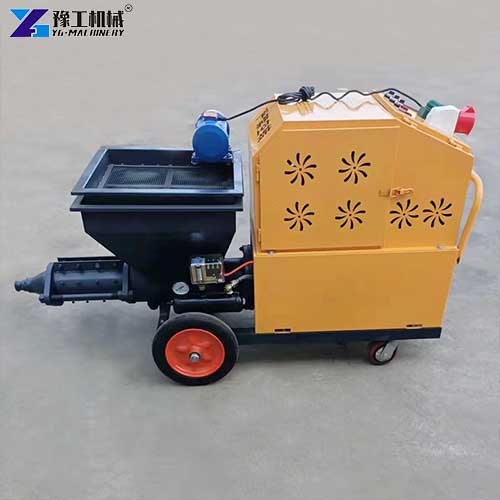
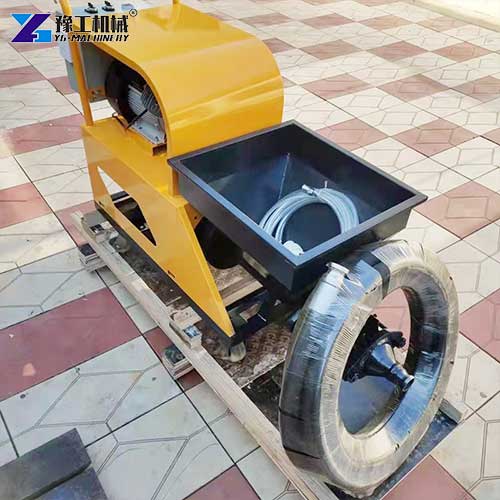
Case Study: Concrete Spraying Equipment in Mexico
In April 2025, a customer in Mexico contacted YG Machinery to learn more about its cement mortar sprayer range. The customer was looking for practical equipment for wall plastering work, with a focus on consistent mortar application, manageable operating requirements, and the ability to work across different construction areas.
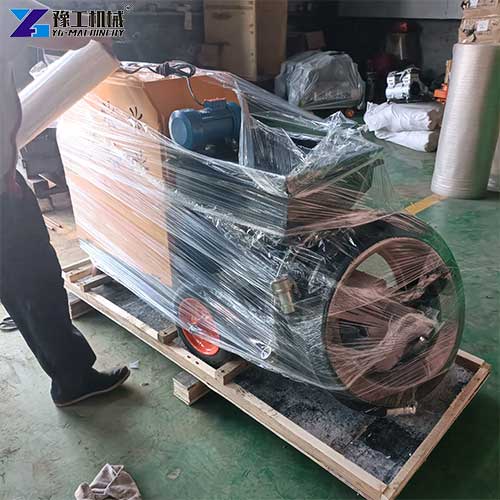
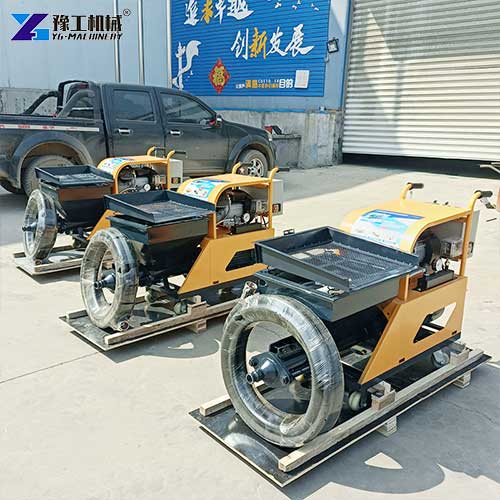
After reviewing machine parameters, product photographs, operating videos, and factory videos, the customer decided to order two mortar spraying machines. For this project scenario, the selected models are presented as the YG311 and YG318, representing two configurations for different working conditions.
1. Customer Background and Construction Requirements
The customer needed equipment for plastering work on building walls. As with many small and medium-sized construction projects, manual application could make it difficult to maintain a consistent working pace across multiple rooms and wall sections.
The main requirements included:
- More consistent mortar application: The team wanted to reduce variations in coating thickness caused by differences in manual application.
- Less repetitive manual work: Mechanized conveying and spraying could help workers spend less time applying mortar by hand.
- Flexible operation across different areas: The equipment needed to be practical for interior wall work and other suitable plastering tasks.
- Manageable material handling: The hopper and feeding system needed to support a steady workflow without requiring constant large-batch loading.
- Straightforward cleaning and maintenance: Cement-based mortar can harden inside pipes and feeding components, so daily cleaning needed to be part of the operating routine.
The customer therefore needed more than a machine with a high output figure. The selected equipment also had to match the mortar mix, aggregate size, conveying distance, available power supply, and layout of the construction site.
2. Why Were the YG311 and YG318 Selected?
The YG311 and YG318 offer different hopper capacities and conveying distances.
1. YG311: For smaller work areas and more compact site layouts
The YG311 has a 60 L hopper, a 4 kW motor, and a maximum listed horizontal conveying distance of 30 m. Its smaller overall configuration can be considered for room-by-room plastering, renovation work, and areas where equipment needs to be repositioned frequently.
Its maximum aggregate particle size is listed as 4 mm. The mortar should therefore be prepared and screened according to the machine’s requirements to help reduce the risk of blockages.
2. YG318: For longer conveying distances and larger working areas
The YG318 has an 80 L hopper and a 7.5 kW motor, with a listed horizontal conveying distance of up to 50 m and a vertical distance of up to 30 m. These specifications make it worth considering when the spraying point is farther from the machine or when the work area is more extensive.
The YG318 also accepts aggregate particles up to 8 mm. Actual performance depends on the mortar formulation, material consistency, hose arrangement, and site conditions.
For a project that includes both smaller interior areas and more demanding conveying requirements, comparing these two models provides a practical starting point for equipment planning.
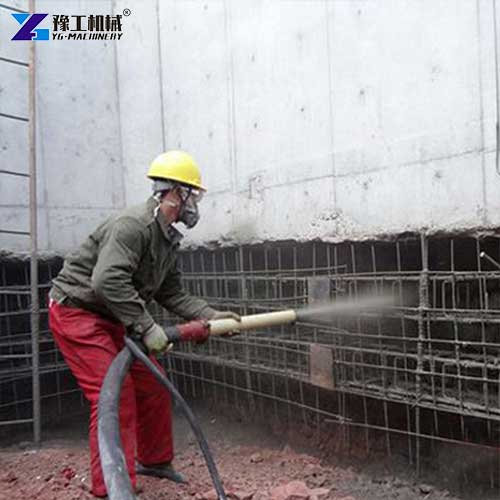
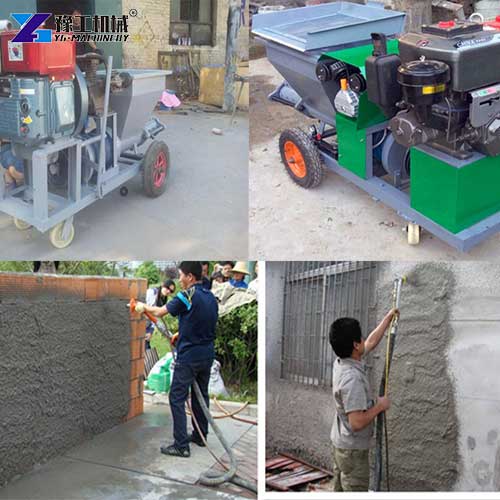
How Was the Mortar Spray Machine Expected to Work on Site?
A cement mortar sprayer uses a feeding and pressurizing system to transport prepared mortar through a hose to the spray gun. The operator directs the gun across the prepared surface while adjusting the application to suit the required coating.
A typical workflow would include the following steps:
- Prepare the mortar. Mix cement, sand, and water according to the selected material formulation and the machine’s operating requirements. The mortar should have a suitable consistency and contain no oversized particles.
- Load the hopper. Place the prepared mortar into the hopper and maintain a steady supply during spraying.
- Start material conveying. The feeding mechanism transfers the mortar into the pressurizing system and delivers it through the hose.
- Apply the mortar. The operator moves the spray gun evenly across the wall, keeping the gun position and movement consistent to help achieve a more uniform layer.
- Adjust and finish the surface. Check the applied coating and carry out any required leveling or finishing work. Spraying does not eliminate the need for surface preparation or final finishing.
- Clean the machine after use. Flush the hopper, conveying line, and spray components promptly in accordance with the operating instructions to prevent mortar from hardening inside the system.
This workflow can help construction teams organize plastering work more systematically. However, actual output and finish quality depend on material preparation, operator experience, coating thickness, and site conditions.
What Practical Benefits Could the Customer Expect?
For a construction team moving from predominantly manual plastering to mechanized spraying, the main potential benefits relate to workflow and application consistency.
1. More consistent application
A continuous feeding system can help maintain a steadier supply of mortar than manual transfer. When the operator uses a consistent spraying technique, the machine can help reduce uneven application and the need for some corrective work.
2. Less repetitive manual application
The machine handles mortar conveying and spraying, reducing the amount of material that workers need to apply manually. Workers are still required for mortar preparation, machine operation, surface finishing, and cleaning.
3. More flexible job-site arrangements
The YG311 and YG318 have different conveying-distance limits, allowing contractors to compare them against the distance between the machine and the working surface. Proper hose routing and a suitable power supply remain essential.
4. A more organized plastering workflow
Mechanized spraying can help teams coordinate material preparation, spraying, and finishing in sequence. This is especially useful when several wall sections need to be completed using a consistent process.
5. Maintenance that can be incorporated into daily routines
Routine cleaning and inspection of the hopper, hose, spray gun, and feeding components help reduce the likelihood of hardened mortar causing downtime. Operators should follow the supplied maintenance instructions rather than waiting for a blockage to occur.
These are expected operational advantages of suitable mortar spraying equipment, not verified performance measurements from the Mexican customer’s site. No confirmed figures are available for labor savings, daily output, or project-time reduction in this particular order.
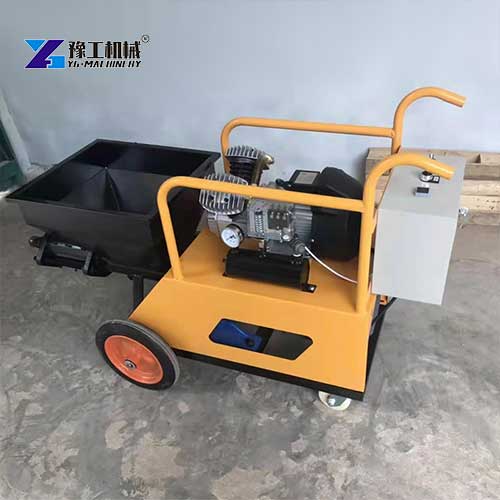
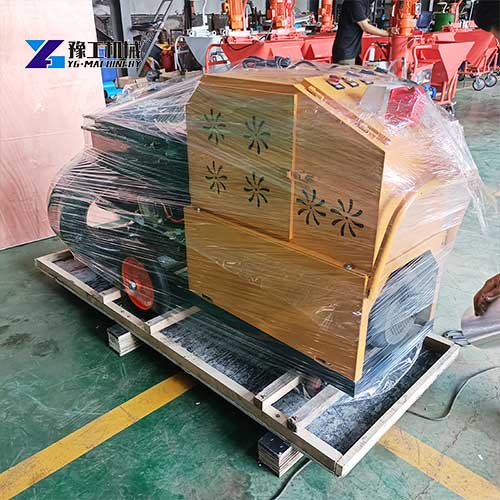
YG Cement Mortar Spray Machine for Sale
YG offers the YG311, YG318, YG500, and YG711 models for customers comparing mortar spraying solutions for different construction applications.
When requesting a quotation, provide the following details:
- The material you plan to spray
- Required output and typical coating thickness
- Maximum aggregate particle size
- Horizontal and vertical conveying distances
- Available power supply
- Expected daily operating hours
- Project application and working conditions
These details help determine which model is appropriate and whether any configuration adjustments are required.
If you are looking for a cement mortar sprayer for construction or renovation work in Mexico, contact YG with your project requirements. Our team can help you compare available models, confirm technical specifications, and select a suitable machine for your intended application.