
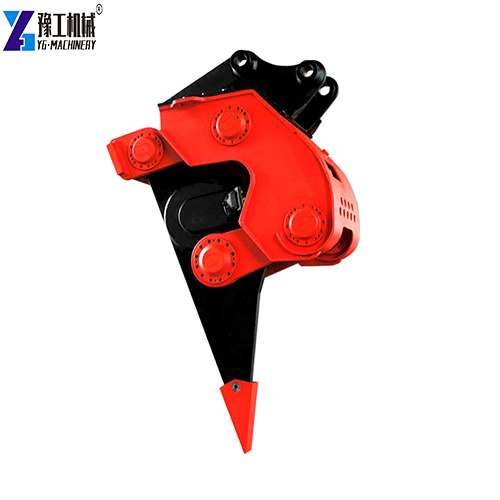
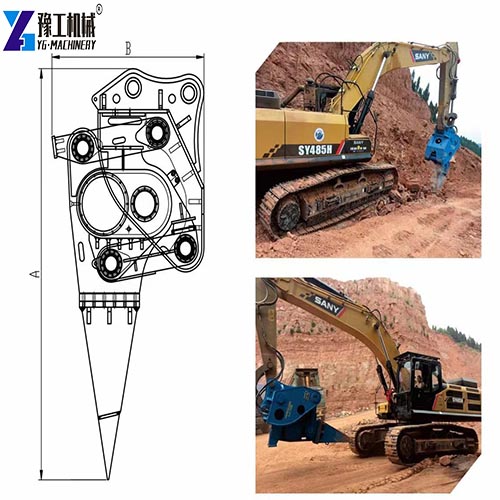
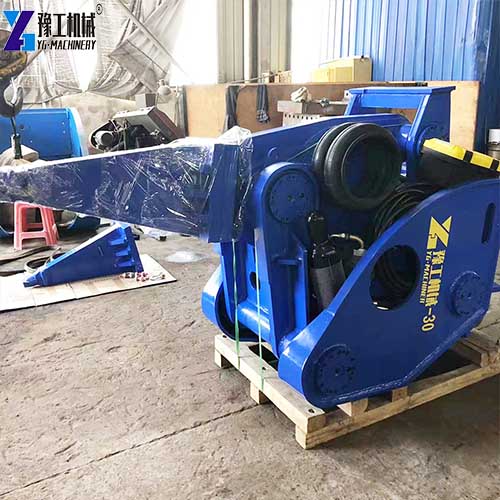
A vibrating ripper breaks weathered rock, sandstone and frozen ground with high-frequency vibration instead of piston impact. It works like a ripper with an added high-frequency device, so it behaves very differently from a standard hydraulic breaker. In this, you will learn how it works, where it performs best and how to pick the right model for your excavator.
Technical Specifications
The vibrating ripper range covers excavators from 20 to 90 tonnes.
| Model | Suitable Excavator (t) | Working Flow (L/min) | Working Pressure | Working Frequency (r/min) | Weight (kg) |
| YG-30G | 20~25 | 120~140 | 260~315 | 1200~1800 | 3000 |
| YG-40G | 25~29 | 145~170 | 260~315 | 1200~1800 | 3300 |
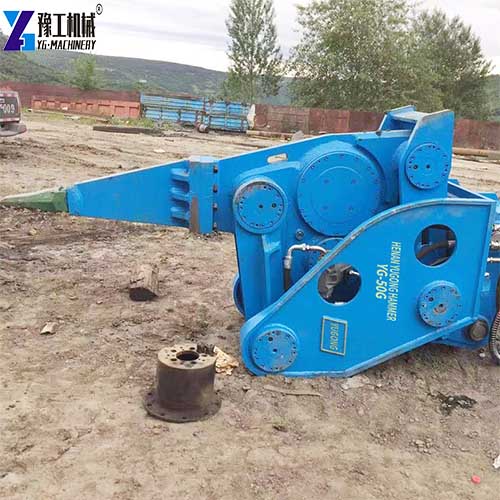
| YG-50G | 30~36 | 175~210 | 260~315 | 1200~1800 | 4900 |
| YG-60G | 36~46 | 215~250 | 260~315 | 1200~1800 | 5200 |
| YG-70G | 46~60 | 280~345 | 260~315 | 1200~1800 | 6800 |
| YG-80G | 60~90 | 350~450 | 260~315 | 1200~1800 | 9600 |
How High Frequency Crushing Hammer Breaks Rock
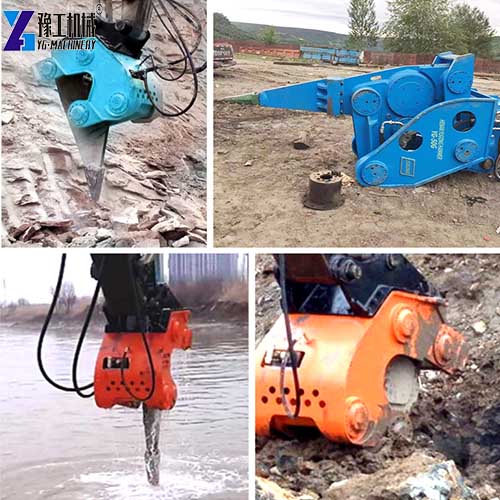
The vibrating ripper combines high-frequency vibration with a prying, resonant action. Instead of smashing the rock, it works into fractures and splits the material open. All six models run at 1200~1800 r/min. As a result, they handle weathered and layered rock with less shock than a conventional breaker.
Where It Works Best
Typical applications include:
- Weathered rock: strongly, moderately and slightly weathered rock
- Layered soft rock: sandstone, red sandstone, shale, slate and other soft rock
- Fractured ground: rock with faults or cracks
- Frozen ground and mines: frozen ground, gypsum mines and coal mines
Hydraulic Rock Ripper vs Hydraulic Breaker
The table below compares the vibrating ripper with a standard hydraulic breaker.
| Item | High-Frequency Ripper | Hydraulic Breaker |
| Breaking Method | High-frequency vibration plus prying resonance | Piston impact |
| Best Rock | Weathered rock, sandstone, frozen ground, layered soft rock | Granite, dense hard rock, reinforced concrete |
| Noise | Low, suitable for urban sites | High impact noise |
| Fuel Use | Lower | Higher |
| Impact on Excavator | Small | Large, may damage the boom |
Key Benefits of Vibrating Ripper
These advantages matter most on real job sites:
- Low noise: Quiet operation suits urban construction.
- Lower fuel use: It burns less fuel than a standard breaker.
- Less shock: The excavator takes a small impact.
- Lower upkeep: The manufacturer reports low operating temperature, few failures and lower maintenance costs during continuous work.
If you need a high frequency crushing hammer for weathered or frozen ground, these gains add up quickly. In addition, a hydraulic rock ripper like this protects the excavator boom from repeated heavy shock.
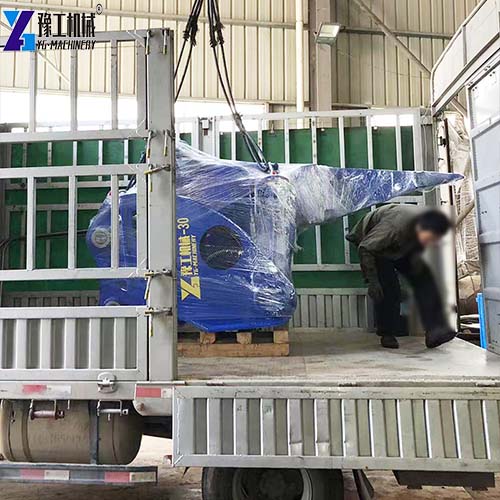
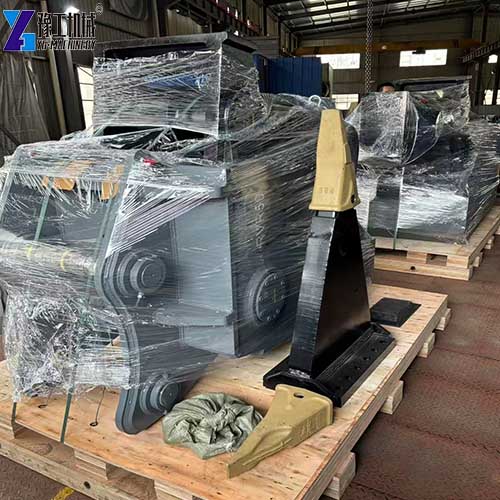
Choosing the Right Vibro Ripper Excavator Setup
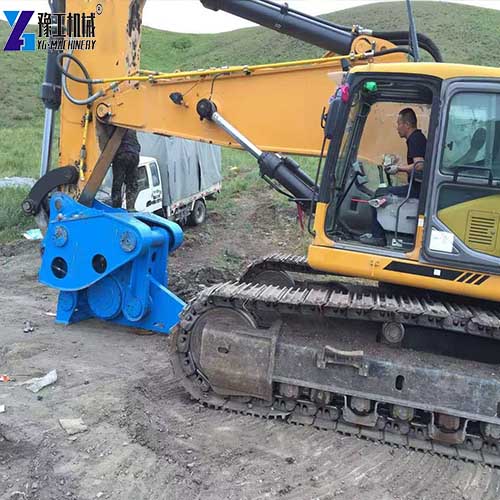
Start with your excavator weight. Next, check that its hydraulic flow falls within the model’s working range. For example, a 30~36 tonne excavator pairs with the YG-50G, which needs 175~210 L/min. Then confirm the working pressure of 260~315. Matching the right vibro ripper to your excavator protects both the attachment and the carrier. Matching all of these keeps the vibrating ripper working at its best.
Send us your excavator model and rock type, and our team will recommend the right model.