
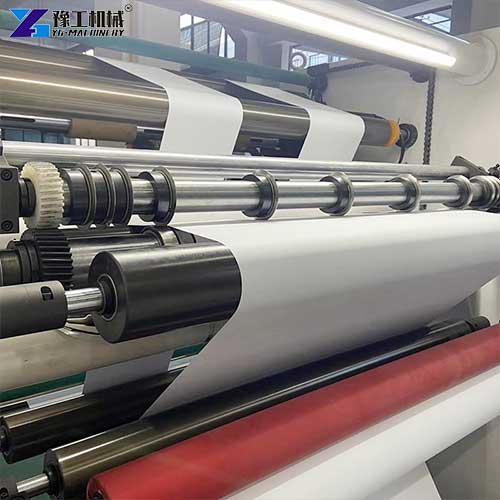
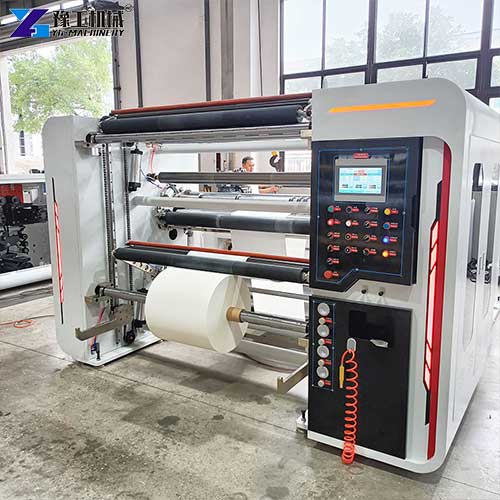
A paper converter may receive a 1,600 mm master roll and need 300 mm finished rolls for a printing order. If the chosen paper slitter rewinder cannot hold stable tension, the edges will wave, roll faces will telescope, and downstream printing or bag-making will slow down. The wrong paper slitting and rewinding machine also creates hidden costs: extra trim waste, repeated setup, and operator fatigue.
This guide compares YG-1300, YG-1600, and YG-1800 so you can match width, unwind diameter, rewinding diameter, speed and power to your real order mix. It also explains when a machine is enough and when you need a wider or faster configuration.
Technical Parameters: YG-1300 vs YG-1600 vs YG-1800
| Parameter | YG-1300 | YG-1600 | YG-1800 |
| Max width | 1300 mm | 1600 mm | 1800 mm |
| Max diameter for unwinding | Φ1400 mm | Φ1400 mm | Φ1400 mm |
| Min width of slitting | 30 mm | 30 mm | 30 mm |
| Max diameter of rewinding | Φ1000 mm | Φ1000 mm | Φ1000 mm |
| Speed | ≤350 m/min | ≤350 m/min | ≤350 m/min |
| Total power | 24 kW | 26 kW | 30 kW |
| Power supply | 380V/50Hz | 380V/50Hz | 380V/50Hz |
| Weight | 4000 kg | 4500 kg | 5500 kg |
| Overall dimension | 3300x3150x1930 mm | 3300x3450x1930 mm | 3300x3650x1930 mm |
Application Scenarios for a Paper Slitting and Rewinding Machine
- Paper converting and trade processing: Paper merchants and packaging material plants slit large master rolls into order-ready widths for downstream printing or conversion.
- Flexible packaging and film: Food packaging and soft packaging producers need stable tension when running BOPP, PET, PVC, and similar films.
- Labels and self-adhesive materials: Label converters use a slitting and rewinding line with proper edge control to avoid adhesive build-up and roll blocking.
- Ultra-narrow slit rolls: Specialized narrow-width orders, such as 5 mm to 30 mm rolls, require a machine structure that can hold accurate width without edge wandering.
- Large printing and thick paper: Commercial printers and heavy paper processors handle wide, thick paper rolls and need strong rewinding support for large finished roll diameters.
If you are sourcing a paper slitting machine for sale, list your material, width and roll diameter before comparing quotes.
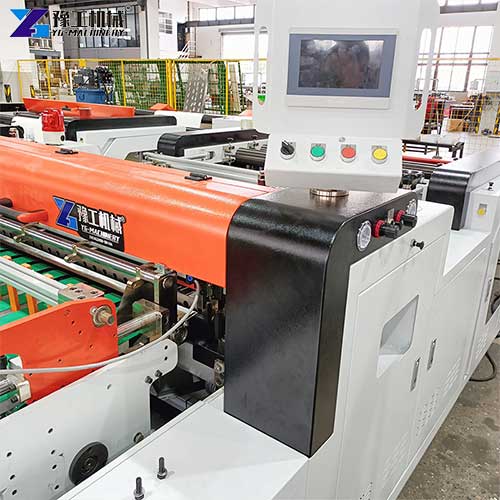
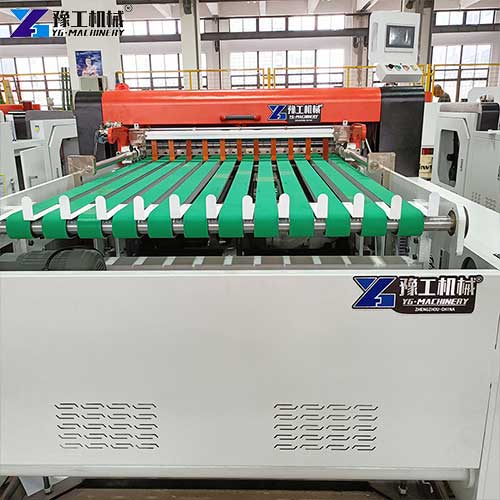
Paper Slitter Rewinder Model Comparison and Recommendation
No single paper slitter rewinder fits every order mix. The right choice depends on your master roll width, finished slit width, rewinding diameter and daily output target.
YG-1300 – The Compact and Flexible Choice
Best for: small to mid-size paper converters, paper traders and printers that mainly run master rolls up to 1300 mm wide.
YG-1300 handles a 1300 mm maximum web width, Φ1400 mm unwinding diameter and Φ1000 mm rewinding diameter. With a 30 mm minimum slit width, 350 m/min top speed and 24 kW power, it gives flexible production without the footprint and power demand of a wider line. This paper slitter rewinder is a practical starting point for mixed paper orders where floor space and changeover speed matter.
YG-1600 – The Balanced Mid-Width Choice
Best for: packaging converters, printing material suppliers and paper processors that regularly run 1600 mm master rolls.
YG-1600 keeps the same Φ1400 mm unwinding diameter, 30 mm minimum slit width and Φ1000 mm rewinding diameter as YG-1300, but adds 300 mm more working width. Its 26 kW total power and 4500 kg machine weight support stable running at up to 350 m/min. If most of your orders sit between 1300 mm and 1600 mm, this model often gives the best balance of capacity and cost.
YG-1800 – The Wide-Web Production Choice
Best for: large printing plants, paper converters and industrial roll processors that need 1800 mm web coverage.
YG-1800 reaches an 1800 mm maximum width while keeping Φ1400 mm unwinding, 30 mm minimum slitting and Φ1000 mm rewinding. The 30 kW motor and 5500 kg structure are built for wider webs and heavier production demands. Choose this model when your order profile regularly includes wide master rolls and you want fewer slitting passes per finished roll.
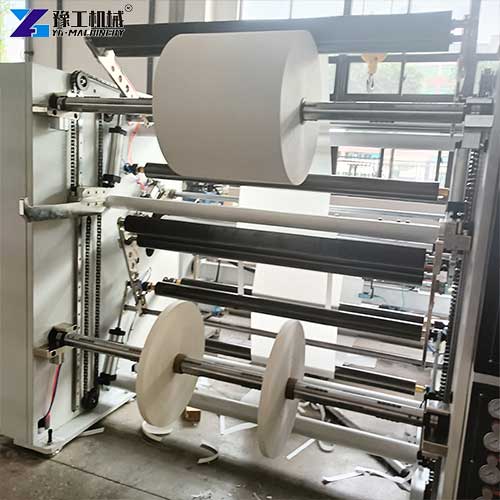

How to Select the Right Paper Rewinder Machine Model: A 5-Step Guide
Step 1: Confirm material and maximum web width. If your master roll is 1,600 mm wide and you rarely slit below that, YG-1600 or YG-1800 becomes the natural starting point. If most orders are 1,300 mm or less, YG-1300 avoids unnecessary width and power cost.
Step 2: Check unwind diameter and core handling. All three models accept Φ1400 mm unwinding diameter. Match your actual paper core, roll weight and loading method to the machine structure before you compare prices.
Step 3: Define minimum slit width and rewinding diameter. All three models offer 30 mm minimum slit width and Φ1000 mm maximum rewinding diameter. If your order book includes 5 mm ultra-narrow rolls, you should look at a back-side slitter instead of forcing a standard model.
Step 4: Match speed and power to production. All three paper slitter rewinder models run up to 350 m/min. YG-1300 uses 24 kW, YG-1600 uses 26 kW and YG-1800 uses 30 kW. Wider webs and heavier rolls usually need the extra power of YG-1800.
Step 5: Plan your order mix and future flexibility. A paper slitting and rewinding machine purchase should cover current orders plus likely width changes. If you expect more 1600 mm or 1800 mm work, choose the wider frame now rather than upgrading later.

Get a Tailored Recommendation
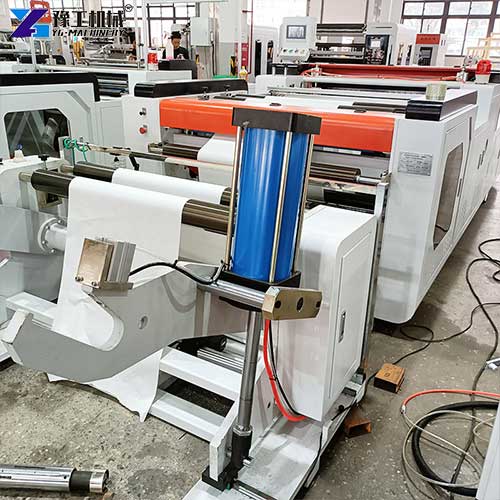
Tell us your material, max web width, unwind diameter, rewind diameter, minimum slit width and target speed. We will recommend the right paper slitter rewinder configuration and confirm whether YG-1300, YG-1600 or YG-1800 is the best fit. If you are preparing a paper slitting machine for a sales comparison, request a video inspection and a clear quotation. For a standard paper rewinder machine or a custom slitting and rewinding line, send your order mix today.